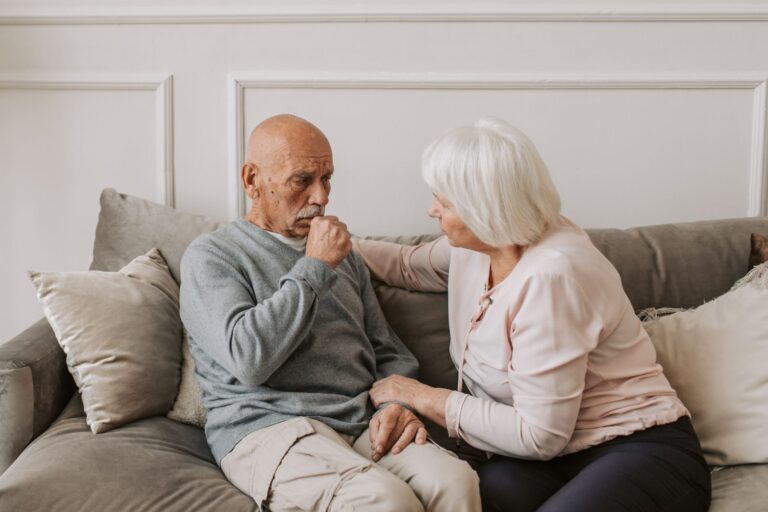
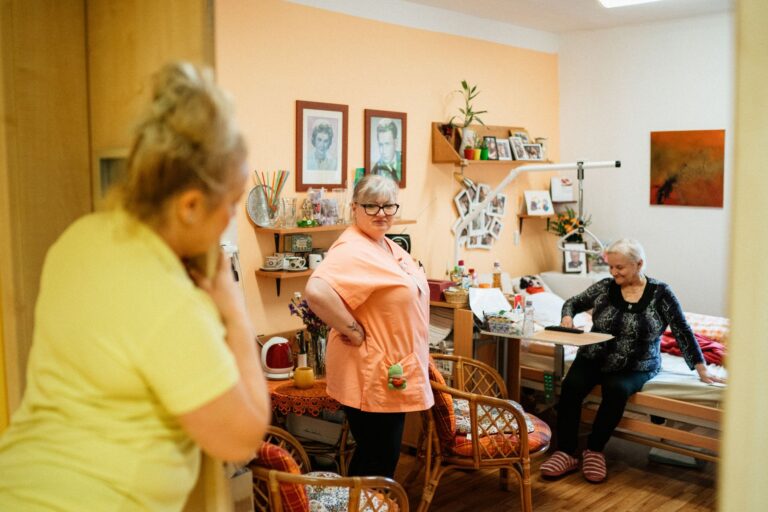
Familiar prayers can support engagement in dementia care by offering a deeply rehearsed routine the person can still join when other activities fail. They tap habit memory and emotional attachment that often remain stronger longer in Alzheimer's disease.
The Journal of Neuroscience Nursing describes how well-rehearsed rituals draw on preserved memory. Procedural memory means memory for habits and repeated sequences. For lifelong believers, prayer lives there.
Medical information disclaimer: This article is for general educational purposes only and does not provide medical advice, diagnosis, or treatment. Always consult a physician or other qualified health professional about symptoms, medications, tests, or treatment decisions.
Table of Contents
- Why Do Early-Learned Prayers Endure?
- What Does Participation Look Like?
- How Can You Invite Someone to Join?
- When Is Prayer Less Helpful?
Why Do Early-Learned Prayers Endure?
Lifetime repetition strengthens procedural memory, so familiar word sequences resist memory loss better than new material. The National Catholic Register points to this effect for prayers said daily over decades. Habit carries the words when recall cannot.
Prayers learned early by heart often stay familiar longest. Examples include the Lord's Prayer, also called the Our Father, and the repeated prayers of the Rosary. The Grey Nuns of the Sacred Heart advise caregivers to pray aloud in their guidance on praying during memory loss. The person can join silently or in the heart.
What Does Participation Look Like?
The procedural and emotional religious activity therapy model, called PERAT, treats familiar faith practices as enjoyable engagement. Developers of the model suggest this engagement may ease agitation and support quality of life for patients and caregivers. The focus stays on comfort and connection, not performance or correctness.
Family members and care staff sometimes notice sudden clarity or spontaneous joining during familiar prayers and hymns. Writers for the Grey Nuns of the Sacred Heart describe these moments as real but unpredictable and sometimes rare. A person may mouth words, hum along, fold hands, or grow calm and attentive.
How Can You Invite Someone to Join?
Offer one clear way to take part. Karen Barber, in prayer guidance shared through the Grey Nuns, recommends a posture, a gesture, a single word, or a short repeated response such as Lord, hear our prayer.
Choice matters less than clarity. Sit close, make eye contact when welcome, and affirm each effort. Let silent presence count as participation.
- Use the same prayer, time, and place each day.
- Speak slowly and leave pauses for a response.
- Invite one small action, like holding beads, folding hands, or saying Amen.
- Stop if the person looks tired, tense, or upset.
When Is Prayer Less Helpful?
Faith history shapes benefit. A prayer that comforts one person may mean little to someone of another tradition or no religious background. Match the practice to the person's own lifelong beliefs and habits.
The UK National Health Service advises recording future wishes for spiritual and religious care in advance care planning, detailed in its palliative care guidance for dementia. Ask early about preferred prayers, music, leaders, and rituals. Record the exact words, posture, and time of day so every helper follows the same routine.