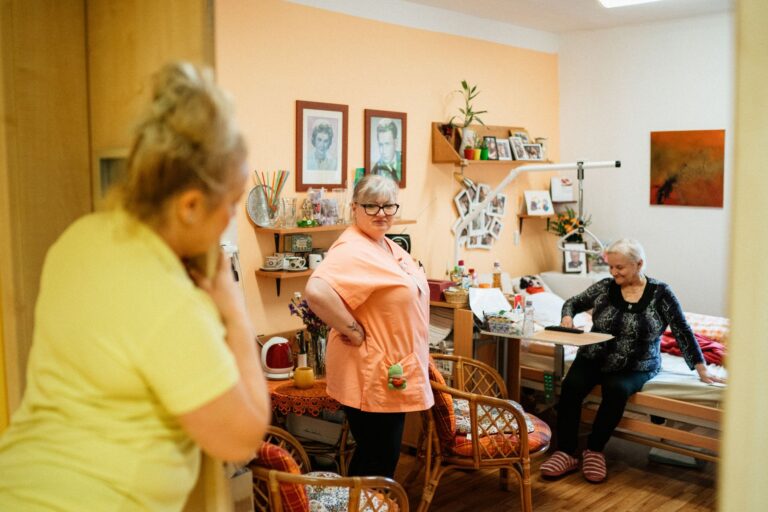
Spiritual readings support engagement in dementia care by offering words that feel familiar, meaningful, and easy to join. Reading a known prayer, scripture verse, hymn, or short devotional aloud can prompt listening, singing, comment, or calm participation. Engagement here means visible interest, pleasure, and participation, not memory testing or correct answers. The focus stays on comfort, connection, and the response in the moment.
Medical information disclaimer: This article is for general educational purposes only and does not provide medical advice, diagnosis, or treatment. Always consult a physician or other qualified health professional about symptoms, medications, tests, or treatment decisions.
Table of Contents
- What counts as a spiritual reading?
- Why does familiar faith hold attention?
- What has research linked to practice?
- How to lead a short, calm session?
What counts as a spiritual reading?
A spiritual reading is a short, familiar faith or reflective passage shared aloud. It may be a psalm, a prayer from a prayer book, hymn lyrics, or a brief devotional thought.
The Alzheimer's Association lists praying and singing a hymn as spiritual activities caregivers can plan in its Activities at Home guide. Use the version the person has known longest, in the words and language they remember.
Why does familiar faith hold attention?
UK dementia guidance from the National Institute for Health and Care Excellence recommends personalised activities for agitation or aggression to promote engagement, pleasure, and interest in its NG97 guideline. Familiar faith fits because rhythm, wording, and melody often stay recognizable when new information does not.
A decade-long study of spiritual reminiscence by MacKinlay and Trevitt found it helped people with dementia find meaning, interact meaningfully, affirm worth, build resilience, and reduce depression. Recognition lowers pressure. The person can listen, join a line, hum, or simply sit with others.
What has research linked to practice?
In 64 Italian patients followed for 12 months, greater religiosity — prayer, attendance, and reading religious materials — was linked to slower cognitive and behavioral decline and lower caregiver burden, reported by Coin and colleagues in Current Alzheimer Research. A separate study of 68 people with probable Alzheimer's linked higher spirituality or religiosity to slower decline.
In 31 care-home residents with mild-to-moderate dementia, shared reading groups improved quality of life compared with waiting periods, with gains lasting after sessions ended, according to University of Liverpool researchers in their repository report. Researchers caution these are small, early studies, so treat spiritual practice as a complement to care rather than a proven treatment.
How to lead a short, calm session?
Choose a rested time, a quiet room, and one short passage. Federal guidance from the National Institute on Aging advises involving the person in spiritual activities they have known well and letting faith-community members know about the diagnosis so support continues.
Keep it to five to ten minutes and follow their lead: Stop if the person looks tired, restless, or upset, and try again another day. Note which passage, time of day, and length brought the calmest response.
- Read slowly in a warm voice, then pause between lines.
- Show large-print words or a familiar hymnal if helpful.
- Invite joining, but accept listening, smiling, or tapping along.
- End with the same closing line or blessing each time.