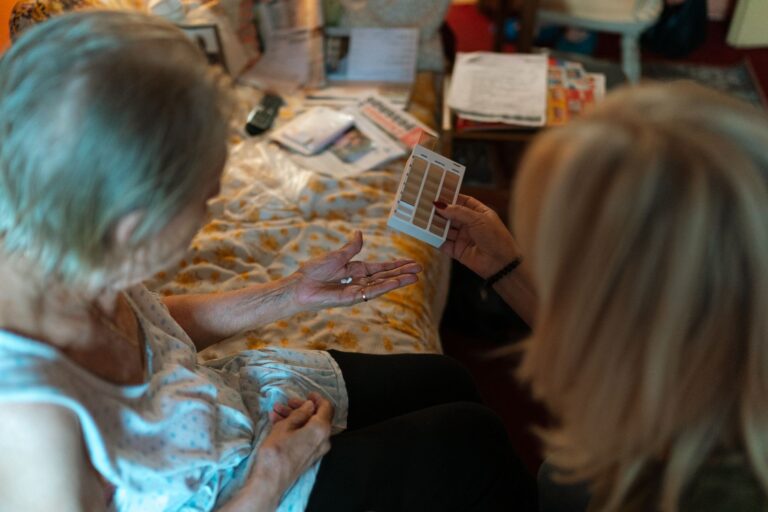
You know dementia may have reached the next stage when changes become persistent, affect more areas of daily life, and require a noticeably higher level of help. A single bad day is not enough. For example, someone who previously needed reminders to take medication may begin taking the wrong pills, missing meals, and becoming unable to dress in the correct order despite guidance.
Dementia stages do not change like calendar dates, and people may show features of more than one stage at the same time. Clinicians look for a sustained shift in cognition, communication, behavior, movement, and the ability to perform everyday activities. Sudden deterioration over hours or days is different: it may signal delirium, infection, dehydration, medication effects, pain, stroke, or another medical problem requiring prompt assessment.
Medical information disclaimer: This article is for general educational purposes only and does not provide medical advice, diagnosis, or treatment. Always consult a physician or other qualified health professional about symptoms, medications, tests, or treatment decisions.
Table of Contents
- How Do You Know When Dementia Has Reached the Next Stage?
- Signs of a Dementia Stage Change in Daily Life
- Changes in Communication, Behavior, and Recognition
- What to Do When You Notice Dementia Progression
- Sudden Decline, Safety Problems, and Advanced Symptoms
- Tracking Changes Without Constantly Testing the Person
- Planning Care After a Stage Change
- Frequently Asked Questions
How Do You Know When Dementia Has Reached the Next Stage?
The clearest sign is a lasting loss of function. In early dementia, a person might misplace objects, repeat questions, or struggle with complicated tasks while still managing basic self-care. As the condition progresses, assistance may become necessary for cooking, shopping, finances, medication, bathing, dressing, toileting, or eating. The type and frequency of help often reveal more than the number of forgotten names. Consider two people who both forget recent conversations.
One continues to make breakfast safely and attend appointments using a written calendar. The other leaves burners on, cannot follow a familiar recipe, and gets lost walking to a nearby store. Their memory symptoms sound similar, but the second person has a greater level of functional impairment and a more urgent need for supervision. Progression should be judged against the person’s own previous abilities, not against another individual with dementia. Education, physical disability, hearing loss, lifelong habits, living arrangements, and the specific cause of dementia can all affect what independence looks like.
Signs of a Dementia Stage Change in Daily Life
Instrumental activities of daily living often become difficult before basic personal care. These more complex activities include managing money, preparing meals, arranging transportation, using devices, keeping appointments, and taking medications correctly. Later changes may affect basic activities such as bathing, dressing, transferring from a chair, using the toilet, and eating. A meaningful transition might appear as a cluster: unpaid bills, spoiled food in the refrigerator, repeated calls for help with the television, and several missed medication doses.
Any one problem could have an ordinary explanation. Together, especially when they persist, they suggest that the person’s ability to plan, sequence, and solve problems has declined. Functional checklists are useful, but they have limitations. A person who has never handled household finances cannot be assessed fairly on bill payment, while arthritis may explain difficulty fastening buttons without indicating cognitive decline. Families should also avoid interpreting every new behavior as dementia progression; treatable medical and environmental causes must be considered.
Changes in Communication, Behavior, and Recognition
Communication changes can mark progression even when a person remains physically capable. They may lose words more frequently, use vague phrases, stop following longer conversations, or have difficulty expressing pain and other needs. In more advanced illness, speech may narrow to short phrases, repeated sounds, or nonverbal responses. Behavior may also change as the brain becomes less able to interpret surroundings. A person may pace, resist bathing, reverse day and night, become suspicious, or repeatedly ask to go home while already at home.
For example, someone who becomes distressed every afternoon may be reacting to fatigue, shadows, noise, hunger, or an unmet need rather than deliberately being difficult. Recognition can become inconsistent. A person may know a familiar face but misunderstand the relationship, calling a daughter “Mom” or treating a spouse as a visitor. Misidentification is painful for families, but correcting the person forcefully can increase fear. A calm introduction—”I’m Anna, and I’m here to have lunch with you”—may work better than testing memory.
What to Do When You Notice Dementia Progression
Begin by documenting concrete changes, including when they started, how often they occur, and what assistance was required. “Memory is worse” gives a clinician little detail. “She got lost twice this month on her usual route and now needs step-by-step prompts to use the microwave” provides information that can guide evaluation and care planning. Arrange a medical review when the decline is sustained, interferes with safety, or changes care needs.
The assessment may include a history from the person and caregiver, medication review, physical and neurological examination, cognitive testing, and selected laboratory or imaging studies. The goal is not merely to attach a stage label; it is also to look for depression, sleep problems, sensory loss, medication side effects, infection, pain, or other contributors. There is a tradeoff between preserving independence and preventing foreseeable harm. Taking over every task too early can reduce confidence and activity, while waiting too long can expose the person to falls, exploitation, medication errors, wandering, or kitchen fires. A graded approach may work better: automatic bill payment instead of immediate loss of all financial involvement, supervised cooking instead of a total kitchen ban, or accompanied walks instead of enforced inactivity.
Sudden Decline, Safety Problems, and Advanced Symptoms
A sudden change should not automatically be labeled the next dementia stage. New confusion, unusual sleepiness, agitation, weakness, hallucinations, inability to walk, or loss of bladder control developing rapidly may reflect an acute illness. Urgent medical help is especially important for stroke signs, a fall with possible injury, breathing difficulty, chest pain, severe dehydration, inability to wake normally, or an abrupt change in consciousness. Advanced dementia often involves extensive dependence with personal care, reduced communication, impaired mobility, swallowing difficulty, incontinence, and increased vulnerability to infections and pressure injuries. Eating may take longer, weight may fall, and coughing during meals may appear.
Swallowing problems require professional assessment because changing food texture without guidance can create nutritional, hydration, or choking risks. Stage descriptions remain imperfect. Alzheimer’s disease often follows a broadly gradual course, while vascular dementia may worsen in noticeable steps. Lewy body dementia can cause pronounced fluctuations, and frontotemporal dementia may produce early behavioral or language changes while memory appears relatively preserved. A neat stage chart cannot capture these differences.
Tracking Changes Without Constantly Testing the Person
A simple care log can reveal patterns without turning daily life into an examination. Record practical observations such as sleep, appetite, falls, medication errors, episodes of getting lost, assistance with personal care, and changes in speech or behavior. Note possible triggers and successful responses.
For example, a log may show that agitation occurs mainly before dinner on days when lunch was skipped. That pattern points toward hunger and fatigue, whereas increasing agitation throughout the day alongside new toileting and dressing difficulties may suggest broader progression or illness. Repeatedly quizzing the person about dates and names is less informative and can cause embarrassment.
Planning Care After a Stage Change
A stage change often means the care plan needs to become more specific. Families may need to review driving, cooking, medication access, fall hazards, door security, emergency contacts, supervision, respite care, and legal or financial arrangements.
Decisions should be based on demonstrated abilities and risks rather than age or diagnosis alone. If a person begins leaving home at night, practical measures might include a door chime, improved lighting, an identification bracelet, secured hazardous areas, and a plan for whom to call if the person is missing. Locking exits without considering fire safety can be dangerous, so home-security changes should preserve an emergency escape route and comply with local safety requirements.
Frequently Asked Questions
How long does each stage of dementia last?
There is no fixed timetable. Progression varies with the cause of dementia, overall health, age, complications, and individual biology. Some abilities may remain stable for long periods while others decline sooner.
Can a person improve after appearing to enter a later stage?
Yes, particularly if an acute problem is contributing. Treating dehydration, infection, depression, pain, constipation, poor sleep, sensory impairment, or medication side effects may restore some function, although it does not reverse the underlying dementia.
Are memory tests enough to determine the stage?
No. Cognitive testing can support an assessment, but clinicians also consider everyday function, communication, behavior, mobility, medical conditions, and information from someone who knows the person well.
Does needing help with bathing mean dementia is advanced?
Not necessarily. Bathing difficulty may arise from fear, poor balance, arthritis, pain, confusion about the sequence, or trouble judging water temperature. The broader pattern of abilities and the reason help is needed matter.
When should a caregiver contact a clinician?
Contact a clinician when changes persist, daily function declines, behavior creates distress, or safety becomes uncertain. Seek urgent help for rapid deterioration, stroke symptoms, serious injury, breathing problems, or a marked change in alertness.