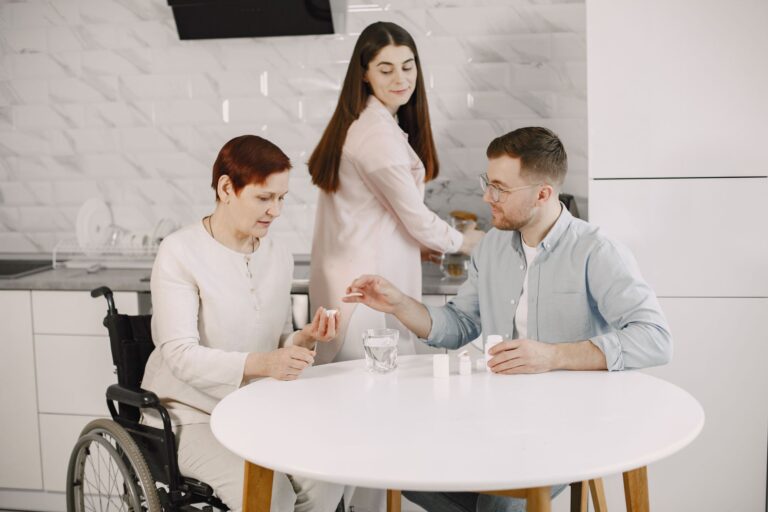
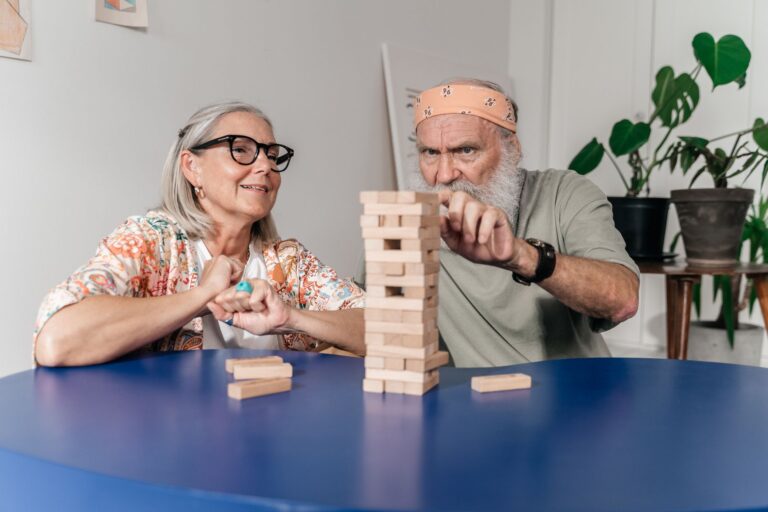
Caregivers pick Steam games by starting with familiar hobbies and matching the choice to lifelong interests, current ability, and tolerance for complexity. They favor simple rules, clear instructions, and calm input, then check accessibility settings and trial a demo before buying. Early-stage memory loss means recent forgetfulness with continued independence, so fit matters more than novelty. A calm, familiar game played together in short sessions supports comfort and engagement.
Medical information disclaimer: This article is for general educational purposes only and does not provide medical advice, diagnosis, or treatment. Always consult a physician or other qualified health professional about symptoms, medications, tests, or treatment decisions.
Table of Contents
- Start with what the person already enjoys
- Can Steam settings reduce frustration?
- Why test a free demo first?
- What can games do for thinking?
Start with what the person already enjoys
The Alzheimer's Association advises keeping familiar hobbies and adjusting them to current abilities rather than introducing unfamiliar activities. When complexity overwhelms, caregivers use smaller groups and simpler steps. A lifelong card player stays with cards, not a new genre. Being Patient, reporting with Relish, advises matching game choice to lifelong interests, current abilities and tolerance for complexity.
It favors simple rules, clear instructions and calming sensory input. A quiet puzzle fits better than a fast, noisy action game. Solace Health advises prioritizing simplicity, familiarity and adaptability, and selecting by disease stage, attention span and communication ability. Useful starting points include memory-matching, puzzles and card games. If attention fades after ten minutes, choose a round that ends in minutes.
Can Steam settings reduce frustration?
Valve Steamworks Documentation lists developer-tagged accessibility features that help caregivers filter choices, described in the Steamworks accessibility guide. These tags show what can be changed before play starts.
They make comparison faster than reading every store page. Check the store filter and game page for practical aids: Pick one input method the person already uses. Larger text, lower noise and a forgiving save point prevent most early quits.
- adjustable difficulty and save-anytime
- adjustable text size, subtitles and custom volume
- keyboard-only, mouse-only or touch-only input
Why test a free demo first?
Valve Steam points to free demos, including time-limited Next Fest demos of unreleased games, to check controls, pace and frustration before buying. A demo reveals reading load, speed, reaction time and menu confusion. It costs nothing and takes less time than a refund.
Play the demo together for ten to fifteen minutes. Watch hands, eyes and mood, not score. If steps feel rushed, sounds jar or controls confuse, drop it and try a simpler demo.
What can games do for thinking?
The Iranian Journal of Medical Sciences via PMC reports older adults with mild cognitive impairment who played video games three times weekly for 12 weeks improved cognitive performance and problem-solving scores while controls worsened. The result favors regular, manageable play. It does not promise daily-life memory repair. A 2025 Frontiers in Aging Neuroscience meta-analysis via PMC found video-game interventions raised global cognition in mild cognitive impairment by 2.58 MoCA points and 1.80 MMSE points, with faster executive-function and attention test times, detailed in the Frontiers meta-analysis in PMC.
MoCA and MMSE are brief clinic tests of overall thinking. Faster times mean quicker focus and switching, not a cure. Balance comes from the AMDA Society for Post-Acute and Long-Term Care Medicine, which summarized a 14-trial JAMDA meta-analysis that found no superior effect of brain gaming over other interventions on global cognition, in the AMDA Society news summary. Caregivers should treat Steam games as engagement and wellbeing support. Avoid violent or overstimulating titles and use short co-played sessions.