Military attempt sits at the center of this dementia and brain health question.
The U.S. military’s primary strategy for minimizing radioactive release when conducting nuclear operations was to move testing underground—a transition that became standard policy after the Limited Test Ban Treaty (LTBT) of 1963. Rather than detonating nuclear weapons in the atmosphere where radioactive fallout could spread across populated regions, the Department of Defense shifted to conducting underground nuclear tests between 1962 and 1992, dramatically reducing public exposure to radioactive contamination. This article explains the treaty-based policies, operational safety protocols, and real-world testing programs that shaped how the military attempted to contain radioactive hazards during the Cold War nuclear weapons development era.
Table of Contents
- Why Did the U.S. Military Shift to Underground Testing?
- Underground Testing Protocols and Personnel Safety Measures
- Project Plowshare and the Civilian-Military Nuclear Program
- Comparing Atmospheric Versus Underground Testing Strategies
- Limitations of Historical Containment Methods
- Modern Perspective on Nuclear Facility Vulnerability
- The Legacy of Cold War Testing Policies
- Conclusion
Why Did the U.S. Military Shift to Underground Testing?
In the early 1960s, the scientific evidence about the dangers of atmospheric radioactive fallout became impossible to ignore. Strontium-90 and other radioactive particles released from above-ground nuclear detonations traveled through the atmosphere, settled into soil and water supplies, and accumulated in food chains—ultimately reaching humans. President Kennedy signed the Limited Test Ban Treaty on August 5, 1963, specifically to prohibit nuclear weapons testing in the atmosphere, underwater, and in outer space, establishing legal frameworks that forced the military to reconsider its testing methods.
The transition to underground testing represented a fundamental shift in how the military conducted weapons development. By containing explosions below ground, the vast majority of radioactive contamination remained trapped in the rock and soil surrounding the detonation, preventing the uncontrolled atmospheric dispersion that had characterized earlier atmospheric tests. This wasn’t simply a policy preference—it was a direct response to public health concerns and international treaty obligations that made atmospheric testing legally and politically untenable.
Underground Testing Protocols and Personnel Safety Measures
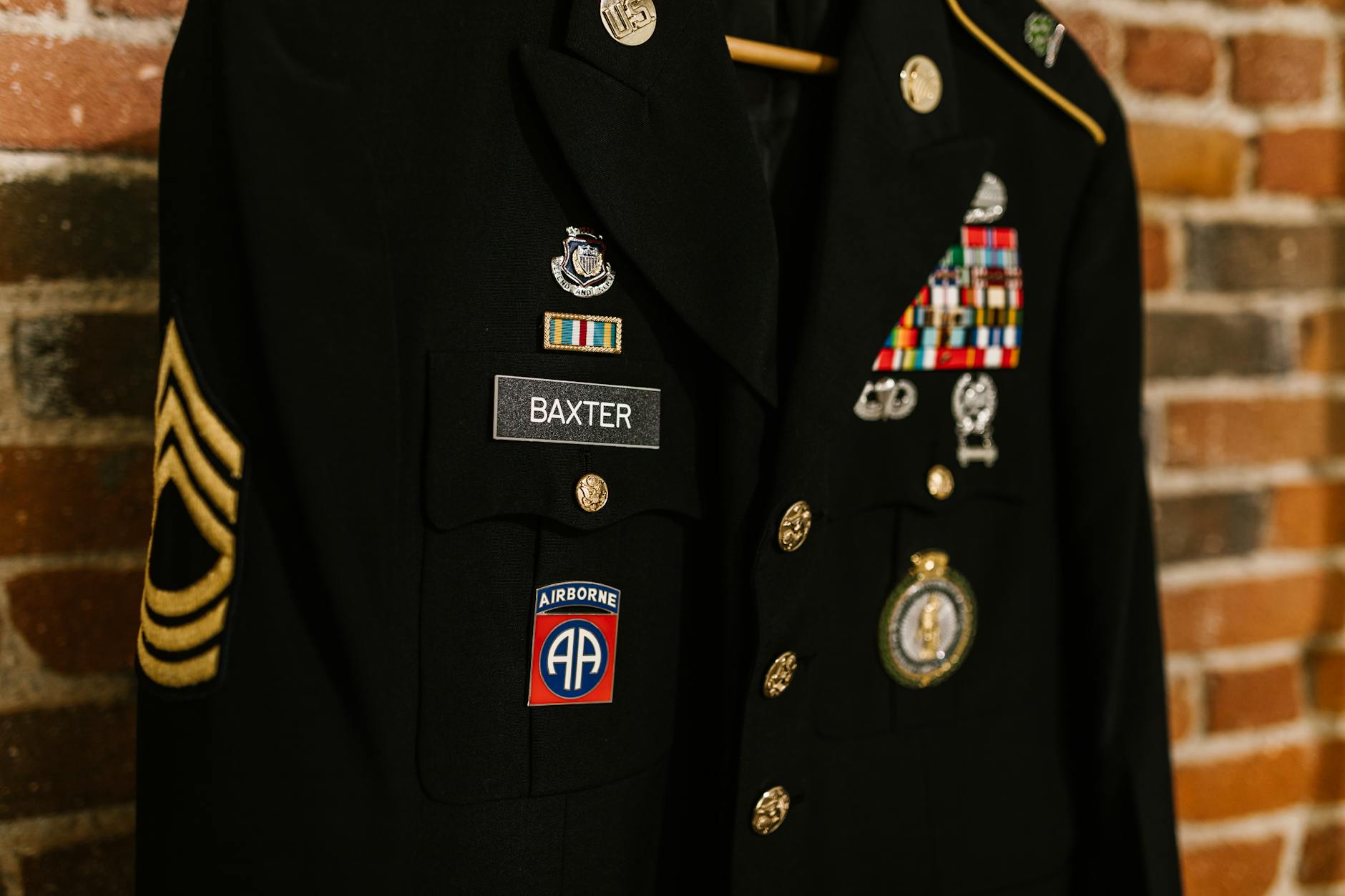
The Department of Defense’s Underground nuclear Test Program, which ran from 1962 to 1992, established rigorous safety procedures to protect military personnel and nearby populations. All personnel working at test sites were required to wear personal dosimetry devices that continuously measured their radiation exposure, with strict protocols mandating that exposure be maintained as low as reasonably achievable—a principle known as ALARA. This wasn’t passive monitoring; workers had to actively report any anomalies, and their exposure records were tracked over their careers.
However, no containment method is perfect. Internal monitoring and bioassay tests were performed periodically on all personnel with potential exposure to radioactive contamination to detect any radioactive particles they may have inhaled or ingested. Each test site maintained site-specific radiological procedures that included area re-entry limits—defining how long an area needed to remain sealed before it was safe for personnel to return—and exclusion zones where access was strictly prohibited. The limitation of these measures was that they required constant vigilance and could only manage exposure after a test had already occurred; they couldn’t prevent all contamination events, particularly in cases of equipment failure or unexpected dispersal patterns.
Project Plowshare and the Civilian-Military Nuclear Program
Beyond weapons testing, the U.S. military and Department of Energy pursued what they called “peaceful uses” of nuclear weapons through Project Plowshare, a program that detonated 35 nuclear warheads in 27 separate tests between 1957 and 1977. These tests aimed to use nuclear explosions for civilian engineering projects—creating reservoirs, mining ore, and other applications—with scientific effort focused on reducing radioactive fallout. While these tests operated under the assumption that underground detonation would safely contain radioactive material, real-world results often contradicted that assumption.
The Sedan test, conducted in 1962, exemplified the containment challenges the program faced. The radioactive cloud from this detonation rose 12,000 feet into the air and spread significant contamination across Nevada and Utah, demonstrating that even carefully planned underground detonations could release dangerous levels of radioactivity into the atmosphere. This uncontrolled release highlighted the fundamental limitation of underground testing: geological conditions, depth, and soil composition could all affect whether a detonation remained truly contained, and predicting these outcomes in advance proved difficult.

Comparing Atmospheric Versus Underground Testing Strategies
The difference between atmospheric and underground testing in terms of radioactive release was stark. A single atmospheric test could distribute radioactive particles across an entire continent within weeks, creating widespread public health risks across multiple states. Underground tests, by contrast, contained most radioactive material within a localized area, with exposure risks primarily affecting test site personnel rather than distant civilian populations. This comparison explained why the LTBT was considered such a significant public health achievement—it shifted the burden of risk from millions of Americans to a smaller, carefully monitored military workforce.
The tradeoff was that underground testing required significantly more infrastructure, including deep drilling capabilities, specialized monitoring equipment, and elaborate containment structures. The military had to invest heavily in developing these capabilities, but the public health benefits justified the expense. For military planners and policymakers, the choice was straightforward: either continue exposing the general population to fallout or concentrate risks among trained personnel working at controlled facilities. Underground testing won out for practical, political, and humanitarian reasons.
Limitations of Historical Containment Methods
While underground testing reduced atmospheric fallout, it created a different problem—long-term contamination of groundwater and soil at test sites. Radionuclides could leach into aquifers over decades, creating persistent contamination that required long-term monitoring and remediation. This was particularly concerning at sites like the Nevada Test Site, where hundreds of tests created a complex radiological legacy that required careful management for generations. The military’s ALARA protocols and personnel monitoring could protect workers during active testing, but they couldn’t eliminate the environmental contamination that persisted long after operations ceased.
Another limitation emerged from the scientific uncertainty surrounding each test. Even with careful planning, engineers couldn’t always predict exactly how a detonation would behave underground. Equipment failures, unexpected geological conditions, or miscalculations about containment integrity could result in unexpected releases—as demonstrated by the Sedan test. This meant that personnel safety protocols, while rigorous, operated in an environment of partial uncertainty where exposure events could occur despite best-effort prevention measures.

Modern Perspective on Nuclear Facility Vulnerability
In contemporary discussions about the risks of bombing nuclear facilities, experts assess that uranium enrichment plants—which contain low-hazard uranium isotopes rather than weapons-grade materials—pose minimal widespread contamination risk if struck. Uranium hexafluoride, the chemical form of enriched uranium used in these facilities, disperses poorly through air and doesn’t travel far when released, limiting both the exposure distance and duration. This modern assessment reflects decades of accumulated knowledge about how radioactive materials actually behave during accidental or intentional releases, knowledge that was unavailable during the Cold War testing era.
The Legacy of Cold War Testing Policies
The lessons learned from the Cold War nuclear testing program—particularly regarding the challenges of containing radioactive material and protecting exposed populations—have shaped nuclear policy for more than fifty years. The transition from atmospheric to underground testing demonstrated that policy and technology could work together to reduce public health risks, even if they couldn’t eliminate them entirely. The LTBT remains one of the most consequential public health treaties in modern history, preventing an estimated 150 million additional deaths from cancer that would have occurred if atmospheric testing had continued unrestricted.
The U.S. military’s experience with radioactive containment—including both successes and failures like Sedan—informed later nuclear safety protocols, international treaties, and accident prevention measures. Modern nuclear facilities, whether military or civilian, benefit from the accumulated understanding that emerged from Cold War testing operations and subsequent remediation efforts.
Conclusion
The U.S. military’s efforts to minimize radioactive release when conducting nuclear operations centered on a fundamental shift in policy and practice: moving from atmospheric testing to underground detonation, formalized through the Limited Test Ban Treaty of 1963. This transition, along with rigorous personnel safety protocols including dosimetry monitoring and the ALARA principle, demonstrated the feasibility of containing most radioactive contamination from nuclear weapons development.
However, real-world experience—particularly incidents like the Sedan test—revealed that no containment method is absolute, and long-term environmental contamination remained a persistent challenge. The Cold War nuclear testing program ultimately produced a body of knowledge about radioactive hazards, containment capabilities, and personnel protection that continues to inform nuclear safety policy today. While the era of large-scale nuclear weapons testing has ended, the principles established during that period—transparent monitoring, personnel protection, public health prioritization, and international treaty frameworks—remain central to how governments and facilities manage nuclear material and contamination risks.
You Might Also Like
- How Did the U.S. Destroy Iran’s Fordow Nuclear Facility Built Inside a Mountain
- How Did Environmental Groups React to the Bombing of Iran’s Nuclear Facilities
- How Did China React to the Speed of the U.S. Military Campaign Against Iran
For more, see NIH MedlinePlus — cognitive testing.