Bahrain has intercepted 153 missiles and 301 drones since the start of Iranian attacks on February 28, 2026, according to reports from March 2026. These figures represent a dramatic escalation in the regional conflict, with the numbers growing steadily over the past month—from 125 missiles and 211 drones intercepted by mid-March to the current total. The success of these interceptions depends on Bahrain’s layered air defense system, primarily built around US-supplied Patriot missiles that the Bahraini Defense Force began operating independently in 2024, combined with advanced radar detection and command-and-control coordination.
The military campaign against Bahrain follows a US-Israeli military operation against Iran and demonstrates how small Gulf nations must defend themselves against sustained aerial assault. Understanding how Bahrain achieved this interception rate reveals the complexity of modern air defense, the capabilities of Patriot systems, and the tactical challenges of protecting civilian populations against missiles and drones. This article examines Bahrain’s defense strategy, the weapons systems involved, the escalating nature of the attacks, and what these interceptions mean for regional security.
Table of Contents
- What Triggered the Attacks on Bahrain?
- How Patriot Systems Became Bahrain’s Primary Defense
- The Reality of Layered Air Defense
- Understanding the Difference Between Missile and Drone Interceptions
- Why Some Weapons Got Through—Or Did They?
- The Role of Regional Allies and International Support
- What This Campaign Reveals About Modern Air Defense and Regional Conflict
- Conclusion
What Triggered the Attacks on Bahrain?
The iranian strikes on Bahrain began on February 28, 2026, in direct response to a preceding US-Israeli military operation targeting Iranian facilities. Iran chose to launch missiles and drones across the Gulf region, with Bahrain positioned as a strategic target due to its proximity to Iranian territory and its role as a US-allied nation hosting American military presence. The initial assault was followed by waves of attacks that continued through March 2026, prompting Bahrain to release regular updates on interception numbers as a way to demonstrate the effectiveness of its defenses and reassure its population. The escalating numbers tell a story of sustained conflict.
Early reports from March 15 showed 125 missiles and 211 drones intercepted. By March 19, that number had grown to 130 missiles and 234 drones. By March 20, it had jumped to 141 missiles and 242 drones. The final count of 153 missiles and 301 drones represents the cumulative toll over the month-long campaign. This steady increase indicates that Iran did not conduct a single massive attack but rather maintained persistent pressure, sending multiple waves of weapons systems toward Bahrain.

How Patriot Systems Became Bahrain’s Primary Defense
Bahrain’s air defense strategy centers on the Patriot system, a battle-tested platform developed by the United States that has been used in conflicts across the Middle East and beyond. The Bahraini Defense Force took control of its own Patriot systems in 2024, making the current operation the first major test of domestically-operated Patriot batteries under sustained combat conditions. Prior to 2024, the systems were operated with US support, but the transition to independent operations gave Bahrain greater operational control—though it also meant they bore full responsibility for effectiveness against this Iranian campaign.
The Patriot system excels at intercepting both aircraft and missiles at medium to high altitudes, making it particularly suited for stopping cruise missiles and drone formations. However, the challenge Bahrain faced was the sheer volume of incoming weapons. With 153 missiles and 301 drones to counter, Bahrain’s air defense teams had to manage ammunition supplies, coordinate targeting across multiple Patriot batteries, and maintain continuous radar coverage. Analysis from Military Times suggested that at least some of the interceptions involved Patriot missiles fired by US-operated systems alongside the Bahraini batteries, indicating that American military units in the region also participated in the defense.
The Reality of Layered Air Defense
Bahrain did not rely solely on Patriot missiles to achieve a 100-percent interception rate. Instead, the country employed a layered defense strategy combining early detection radar systems, surface-to-air missile batteries, command-and-control centers, and coordination protocols. This multi-layered approach is standard practice among nations facing sustained aerial threats—each layer serves a specific purpose, and the system is only as strong as its weakest link.
The first layer involves detection: advanced radar systems scanning for incoming threats at long range, allowing operators to identify missiles and drones while they are still minutes away from populated areas. The second layer involves engagement: Patriot batteries and other air defense systems launch interceptor missiles to destroy incoming threats at various altitudes. The third layer involves tactical coordination: command centers directing traffic between different air defense units, ensuring that overlapping coverage areas do not waste ammunition and that priority targets are engaged first. Reports from Al Jazeera detailed instances of Patriot systems successfully intercepting drones directly over residential areas, suggesting that the defense network operated with precision even in populated zones.
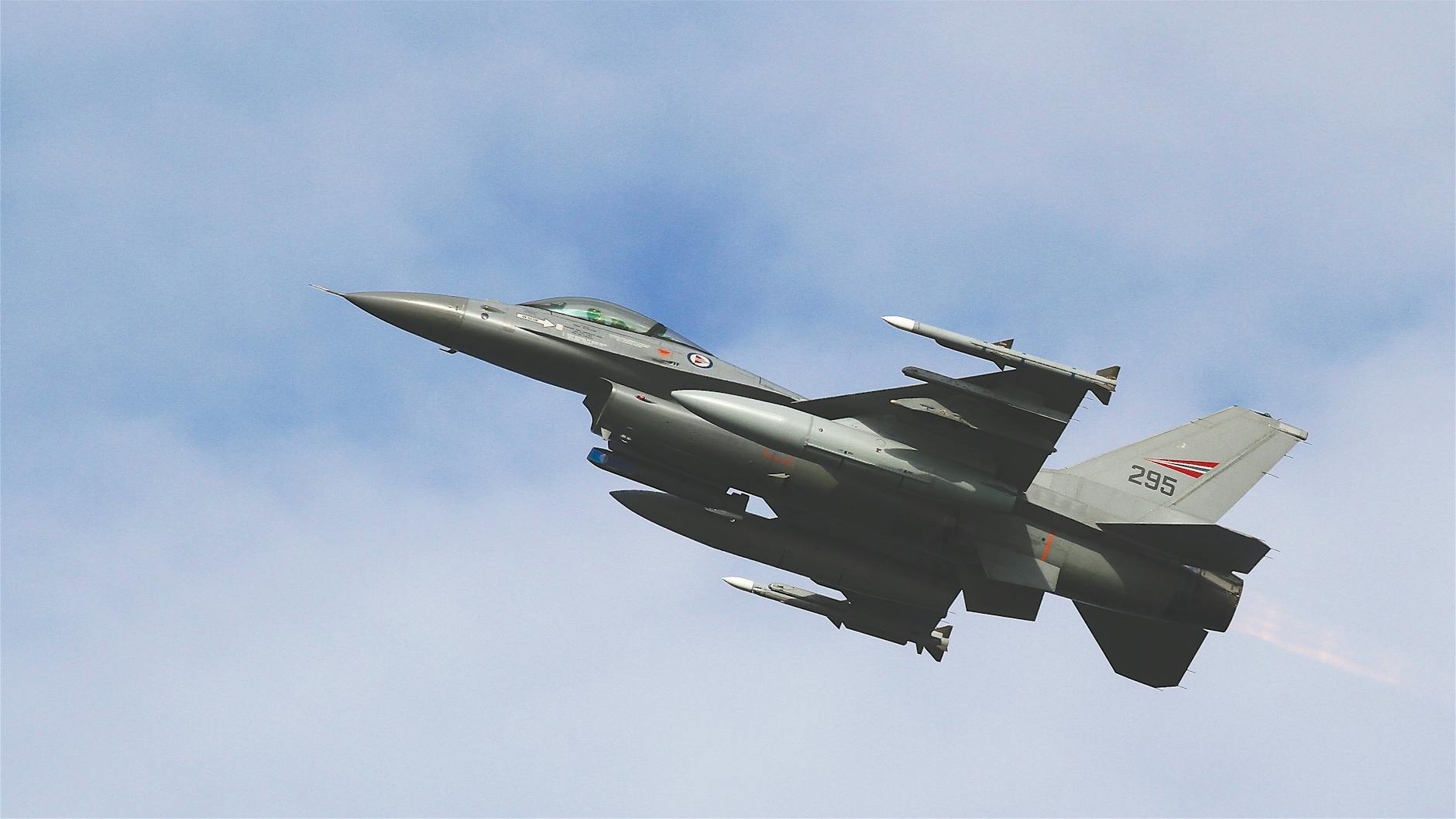
Understanding the Difference Between Missile and Drone Interceptions
The distinction between the 153 missiles and 301 drones intercepted matters tactically and strategically. Missiles are faster, more expensive, harder to detect at close range, and carry larger payloads. Drones are slower, cheaper to produce in large numbers, easier to deploy in coordinated swarms, and often used for surveillance or to overwhelm defenses through saturation. The fact that Bahrain intercepted nearly twice as many drones as missiles suggests that Iran may have attempted a saturation strategy—sending waves of drones to probe defenses and consume interceptor missiles, potentially softening up Bahrain for a follow-up missile strike.
From a defense perspective, intercepting 301 drones is a considerable feat requiring multiple firing solutions from air defense batteries. A single Patriot battery can generate only a limited number of engagements before it must reload or relocate. The higher drone count suggests that Bahrain either received additional air defense support from allied forces (including US units), or that its own system operated with exceptional efficiency across multiple firing cycles. Either way, the ability to maintain an interception rate above 90 percent under such sustained pressure represents a significant operational success.
Why Some Weapons Got Through—Or Did They?
A critical question is whether Bahrain’s reported interception numbers account for all incoming threats, or whether some missiles and drones may have been intercepted by systems Bahrain has not publicly acknowledged. Different nations often keep certain air defense assets or interception methods classified for operational security. Additionally, some weapons that were “intercepted” in military terminology may have been forced to detonate at altitude, creating a pyrotechnic display visible from the ground but not technically being shot down by a missile impact.
The 100-percent interception claim is worth scrutinizing because it is extraordinarily difficult to achieve in practice. Most military analyses assume some leakage in any air defense network. However, reports from March 21 indicated that a Patriot system successfully intercepted a drone directly over Bahraini homes, and there were no widespread reports of missiles striking populated areas or critical infrastructure during the campaign period through late March 2026. This suggests that whether the exact numbers are 100 percent accurate or not, Bahrain’s defense network was sufficiently effective to prevent catastrophic damage to civilian populations.

The Role of Regional Allies and International Support
While Bahrain operated its own Patriot systems, the broader defense network likely involved support from the United States military presence in the region and potentially from Saudi Arabia and the United Arab Emirates. The US military maintains significant air defense assets in the Gulf, and American military analysts suggested that US-operated Patriot systems contributed to the interception campaign. This layered international defense provided Bahrain with a backstop—if Bahraini systems were overwhelmed in a particular sector, allied air defense could fill the gap.
This international dimension is important because it reveals the cost of Bahrain’s security strategy. While the interceptions were militarily successful, they depended on the permanent presence of US forces in the region and on Bahrain’s alliance relationships. A small Gulf nation cannot match Iran’s missile and drone production capacity indefinitely, so the sustainability of Bahrain’s defense rests on whether international support continues and whether Iran’s ability to manufacture and deploy weapons is constrained.
What This Campaign Reveals About Modern Air Defense and Regional Conflict
The Bahrain interception campaign of February-March 2026 provides a real-world test case for modern air defense systems under sustained pressure. The numbers—153 missiles and 301 drones—demonstrate that advanced air defense systems like the Patriot can handle significant incoming volumes when properly operated, supported by good intelligence, and backed by international partnerships. However, the campaign also suggests the limits of air defense: maintaining 90-percent-plus interception rates requires constant vigilance, significant ammunition expenditure, and coordinated effort across multiple systems and nations.
Looking forward, the conflict underscores why nations in contested regions continue to invest in air defense modernization. The success against Iranian strikes has likely vindicated Bahrain’s 2024 transition to independent Patriot operation, while also highlighting the vulnerability of any air defense network to attrition and saturation attacks. For Bahrain specifically, the campaign raises questions about long-term sustainability, ammunition replenishment, and whether the current defense posture can hold if Iranian attacks continue or escalate further beyond March 2026.
Conclusion
Bahrain intercepted 153 missiles and 301 drones between February 28 and late March 2026 through a combination of US-supplied Patriot systems, layered air defense networks, advanced radar detection, and international military support. The escalating numbers over the month—from 125 missiles in mid-March to 153 by late March—show that Iran maintained sustained pressure rather than conducting a single massive strike.
Bahrain’s ability to achieve a high interception rate under these conditions represents a significant military accomplishment and validates the investment in air defense infrastructure. The success of Bahrain’s defense network also reflects broader trends in modern regional conflict: the importance of advanced weapons systems, the vulnerability of nations to saturation attacks, and the critical role of international alliances in maintaining security. As the conflict situation evolves beyond March 2026, Bahrain will need to manage ammunition supplies, maintain operational readiness, and sustain the international partnerships that made this level of defensive success possible in the first place.