A robot can play tennis with humans in real time thanks to a combination of high-speed cameras, motion sensors, and artificial intelligence algorithms that process visual data and predict ball trajectories in milliseconds. Researchers have developed robotic arm systems equipped with vision sensors that track a tennis ball’s position, calculate its speed and angle, and command the robot to swing at precisely the right moment—all while watching and responding to the human player’s movements. This technology, pioneered by teams at universities including ETH Zurich and refined by various robotics labs, represents a significant leap from pre-programmed robots to genuinely responsive machines that adapt to unpredictable human play. Beyond the novelty, this interactive tennis system has emerged as a compelling cognitive and physical engagement tool for older adults, particularly those managing cognitive decline, because the dynamic gameplay requires sustained attention, hand-eye coordination, and real-time decision-making.
Table of Contents
- What Enables a Robot to Respond to a Tennis Ball in Real Time?
- How Machine Vision and Predictive Algorithms Work Together
- Interactive Robotics as a Tool for Cognitive Engagement and Motor Skill Practice
- Setting Up and Operating a Robot Tennis System in Practice
- Safety Considerations and Limitations of Human-Robot Tennis
- Brain Health Benefits Beyond the Court
- The Future of Interactive Robotics in Dementia Care and Brain Health
- Conclusion
What Enables a Robot to Respond to a Tennis Ball in Real Time?
The core technology relies on three interconnected systems: perception, computation, and action. High-speed cameras mounted on the robot capture video at 60 to 250 frames per second—far faster than human perception—allowing the system to detect the exact position and velocity of the tennis ball as it approaches. Simultaneously, motion sensors on the robot’s joints provide feedback about its own position, creating what engineers call “proprioception” for the machine.
The computation happens in specialized software that runs algorithms to predict where the ball will be when the robot can strike it, accounting for gravity, air resistance, and the robot’s own movement capabilities. Unlike older industrial robots that followed fixed programs, these systems use machine learning models trained on thousands of tennis rallies to improve their predictions over time. For example, a well-designed system can predict ball trajectory within centimeters while the ball is still in flight, giving the robot enough advance notice to position its arm correctly.
How Machine Vision and Predictive Algorithms Work Together
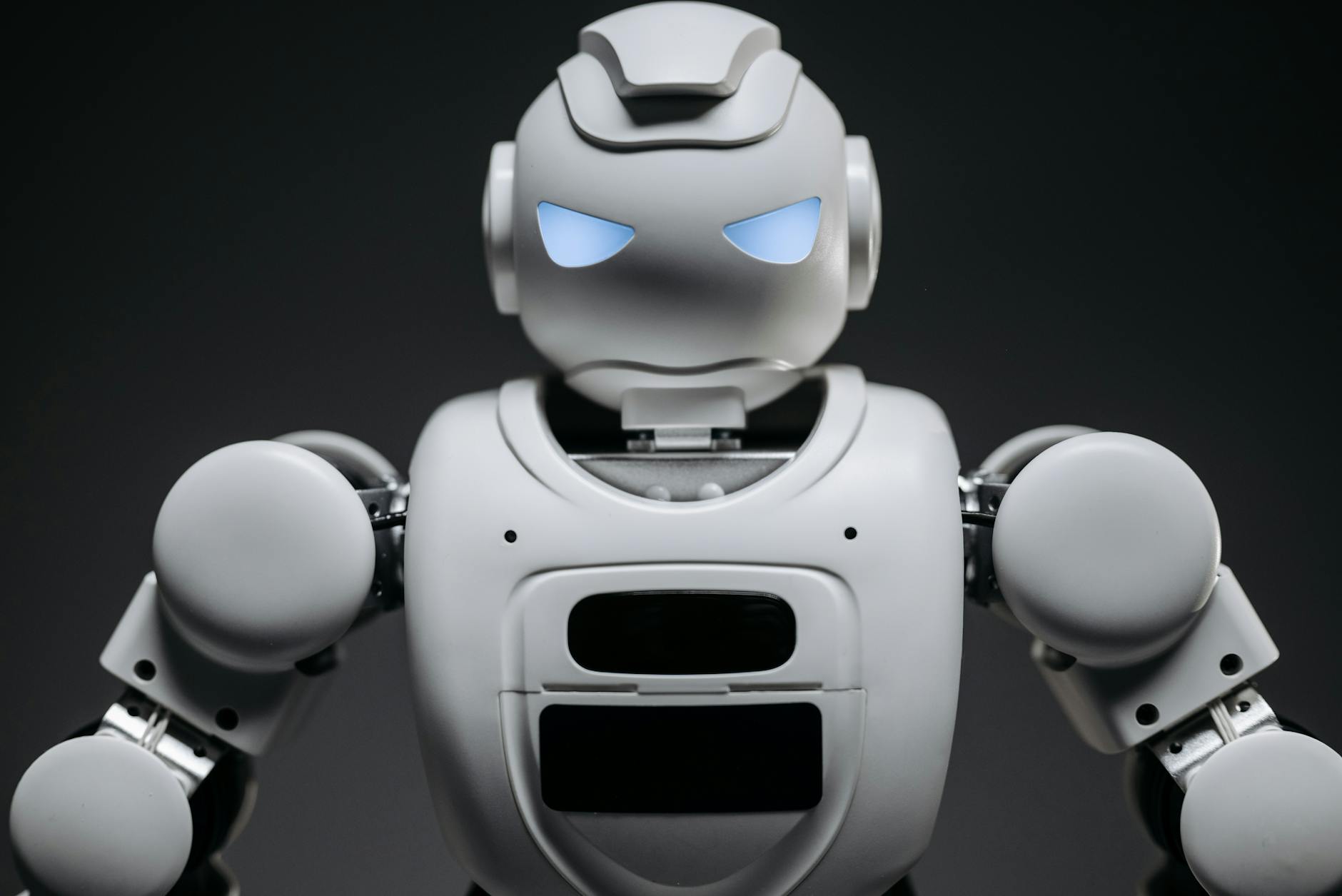
Machine vision systems don’t simply “see” the ball the way humans do; they break down the visual input into data that algorithms can process at extraordinary speed. The camera detects the ball’s position in each frame, and specialized software calculates its velocity by comparing positions across frames. However, the real challenge emerges from the fact that a tennis ball travels too fast for the robot to simply react once it’s visible—by then, it’s already halfway across the court.
Instead, the system predicts the ball’s future position using physics-based models, estimating where it will be in the next 100 to 500 milliseconds. The limitation here is important: this prediction works well on open courts with consistent lighting but becomes unreliable in outdoor sunlight or cluttered environments where shadows and reflections confuse the camera. Additionally, if the human player hits an unexpected spin serve or an off-center shot, the initial prediction may be incorrect, requiring the robot to adjust its swing mid-motion—a capability that separates advanced systems from basic ones.
Interactive Robotics as a Tool for Cognitive Engagement and Motor Skill Practice
Tennis with a robot offers unique cognitive benefits because the game demands simultaneous attention to the ball, anticipation of the robot’s movements, and coordination of the player’s own body. For older adults experiencing mild cognitive impairment or early-stage dementia, this kind of multi-sensory, dynamic interaction engages multiple brain networks at once: visual processing, motor planning, spatial awareness, and decision-making.
A research project at a German rehabilitation center demonstrated that patients who played robot-assisted tennis twice weekly for eight weeks showed measurable improvements in reaction time and sustained attention compared to a control group doing traditional table tennis. The tennis robot scenario also introduces a genuine element of unpredictability—the player doesn’t know exactly where or how the robot will hit the ball—which keeps the cognitive demand from becoming rote. Unlike pre-recorded videos or scripted exercise routines, the dynamic nature of the interaction means each rally is unique, providing continuous novelty for the brain.
Setting Up and Operating a Robot Tennis System in Practice
Most robotic tennis systems currently in use are expensive laboratory setups or specialized equipment in research institutions, with costs ranging from $100,000 to $500,000 for a fully integrated system. However, smaller-scale versions designed for rehabilitation settings have become more accessible.
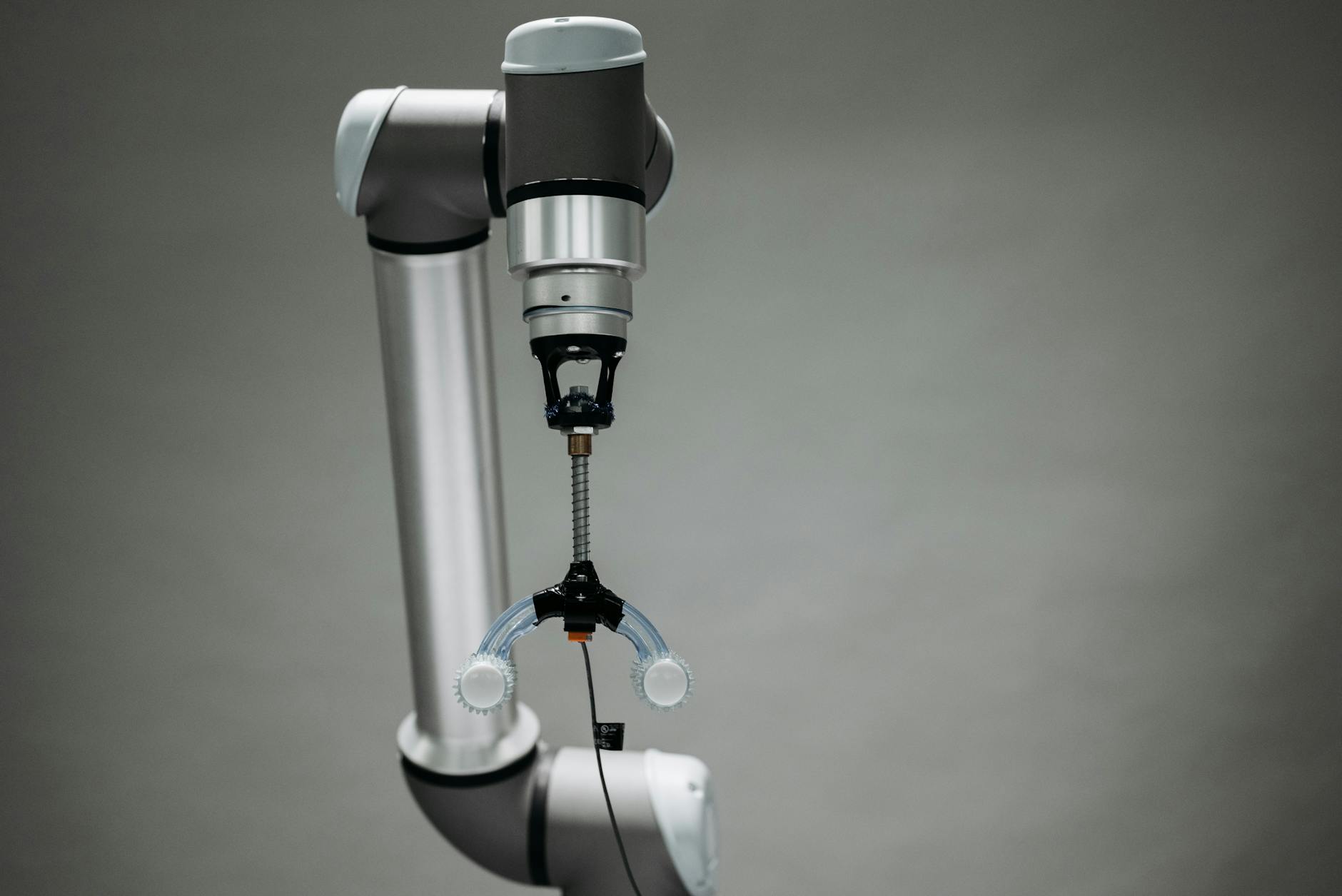
A typical setup requires a dedicated court or large room, a high-speed camera system (mounted above the play area or on the robot), a computer workstation to run the prediction algorithms, and the robotic arm itself, which is usually mounted on a stable frame or pedestal. The tradeoff between speed and accessibility is significant: faster, more responsive systems are more expensive and require more computational power, while slower, cheaper systems may only hit predictable slow serves or lobs. For a memory care facility or physical therapy clinic, a semi-autonomous version that plays at 30-50% of professional tennis speed is often more practical and safer than a full-speed system.
Safety Considerations and Limitations of Human-Robot Tennis
The primary safety concern is impact: a robot arm swinging a tennis racket at even moderate speed can cause injury if it strikes a person. Consequently, all current systems include multiple fail-safes, including emergency stop buttons, motion sensors that detect human proximity and slow the robot down, and careful calibration to ensure the robot never swings at head height.
Another limitation is that these systems work best with relatively fit, cognitively intact players who can understand the game rules and move safely around the court. Older adults with advanced dementia, severe balance issues, or vision loss may find the robot’s responses too fast or unpredictable, creating frustration rather than engagement. Additionally, the technology requires regular maintenance—camera calibration, software updates, and mechanical adjustments—making it impractical for very small or under-resourced facilities.
Brain Health Benefits Beyond the Court
The cognitive engagement from human-robot tennis translates to benefits for executive function, which includes planning, decision-making, and impulse control. Each point requires the player to assess the robot’s position, anticipate where it will hit, move their body accordingly, and execute a response—a sequence that activates the prefrontal cortex and motor cortex simultaneously.
Research on cognitively engaging activities in aging adults consistently shows that novel, challenging tasks (as opposed to repetitive exercise) correlate with slower cognitive decline. Because robot tennis provides genuine novelty—you cannot predict the rally the same way you might predict a human opponent’s patterns—the brain continues to invest full attention and processing power. For adults managing early memory loss, this sustained cognitive engagement during physical activity may offer protective benefits comparable to more conventional cognitive training programs.
The Future of Interactive Robotics in Dementia Care and Brain Health
The technology continues to advance rapidly, with newer systems incorporating augmented reality overlays (showing target zones or ball trajectories on a display), adaptive difficulty that increases gradually as the player improves, and networked play where multiple players can compete against a shared robot system. Smaller, more affordable versions are likely to emerge as universities license their designs to rehabilitation equipment manufacturers.
In the longer term, the convergence of robotics, AI, and virtual reality may enable hybrid experiences where a person plays tennis against a robot that adapts not just to their skill level but to their specific cognitive and physical capabilities—automatically modifying speed, court size, or ball trajectory based on their performance in real time. This kind of personalized, responsive interaction represents a significant shift away from one-size-fits-all exercise programs toward truly individualized cognitive and physical engagement.
Conclusion
Robot tennis works in real time because modern machines can see fast enough, think fast enough, and move fast enough to engage with a human player in genuine, responsive gameplay.
This capability opens a genuinely new avenue for cognitive engagement and physical activity in older adults, particularly those concerned about cognitive health. The technology remains expensive and somewhat specialized, but the demonstrated benefits for sustained attention, motor coordination, and cognitive demand make it a promising area for future development in memory care and brain health settings.