On March 23, 2026, at approximately 11:40 p.m., an Air Canada regional jet collided with a Port Authority fire truck on the runway at LaGuardia Airport in New York, killing both pilots instantly. Captain Antoine Forest, 30, and First Officer Mackenzie Gunther, both from Canada, died when the aircraft, traveling at approximately 104 mph, struck the fire truck that was crossing the runway after being cleared to check on another aircraft reporting an odor. The collision occurred in seconds—at just four seconds before impact, the tower instructed the fire truck to stop, and at six seconds, one of the pilots transferred control of the aircraft to the other, a critical moment investigators are now examining closely. This article explores the sequence of events that led to the crash, the systemic failures that allowed it to happen, and what investigators have learned about how multiple safety systems failed simultaneously.
Table of Contents
- What Were the Exact Circumstances of the Air Canada Collision at LaGuardia?
- How Did Safety Systems Fail to Prevent the Collision?
- What Role Did Air Traffic Control Procedures Play in the Incident?
- What Changes Will Be Made to Prevent Similar Incidents?
- What Do We Know About the Two Pilots Who Died?
- How Is LaGuardia Airport Responding to the Incident?
- What Does This Collision Mean for Aviation Safety Going Forward?
- Conclusion
- Frequently Asked Questions
What Were the Exact Circumstances of the Air Canada Collision at LaGuardia?
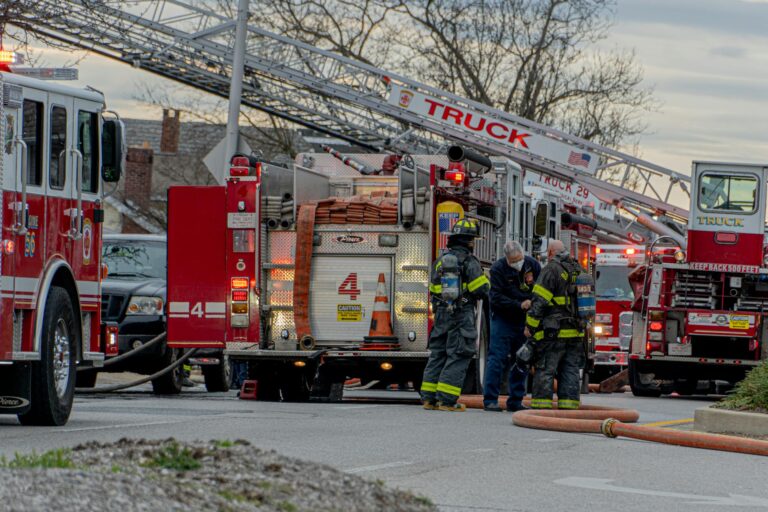
The Air Canada regional jet was landing on Runway 31 at LaGuardia after a flight from Montreal when it collided with a Port Authority fire truck on the tarmac. The fire truck had been authorized by air traffic control to cross the runway to inspect another aircraft that had reported a suspicious odor in its cabin. At the moment of impact, the fire truck driver received a radio instruction to stop—a final four-second warning—but the jet was already too close to avoid the collision.
The force of the impact destroyed the front of the aircraft, where the cockpit was located, killing both pilots instantly. Approximately 40 passengers and crew members on the regional jet were treated for injuries, ranging from minor to severe, and two members of the fire truck crew were also hospitalized. By Monday morning, most of the injured had been released from hospitals, though some sustained serious injuries that required ongoing treatment.

How Did Safety Systems Fail to Prevent the Collision?
The primary failure was technological: the Port Authority fire truck was not equipped with an Automatic Dependent Surveillance-Broadcast (ADS-B) transponder, which would have allowed air traffic control systems to track its position on the runway automatically. Instead, air traffic controllers rely on radar and visual observation to manage ground traffic near active runways. The airport’s surface detection equipment, designed to alert controllers when aircraft and ground vehicles are on a collision course, failed to generate an alert because it is programmed to filter out alerts when vehicles are close together—a design flaw that prevents constant false alarms when multiple vehicles are near each other.
However, when a landing jet at 100+ mph is involved, this filtering mechanism becomes dangerous. Investigators also found that the timing of the pilot control transfer—occurring just six seconds before impact—may have contributed to the pilots’ inability to respond in time. The handoff between pilots typically involves a brief moment of divided attention and verification, exactly when split-second evasive action would have been needed.
What Role Did Air Traffic Control Procedures Play in the Incident?
Air traffic control at laguardia cleared the fire truck to cross Runway 31 while the Air Canada jet was actively landing. Controllers would have been managing multiple aircraft, ground vehicles, and the complexity of one of the world’s busiest airports operating even at 11:40 p.m. The critical question investigators are examining is whether controllers had current information about the Air Canada jet’s position and speed when they authorized the fire truck crossing.
A four-second window between the stop instruction and the collision suggests that controllers recognized the danger late—after the truck had already entered the runway in front of an incoming aircraft. This procedure, which allows ground vehicles to cross active runways during landing operations, is standard at major airports but requires precise coordination and real-time awareness. The NTSB has focused significant attention on whether LaGuardia’s air traffic control staffing levels and fatigue management protocols affected decision-making in the critical seconds before the collision.

What Changes Will Be Made to Prevent Similar Incidents?
In the immediate aftermath, LaGuardia Airport announced plans to equip all ground vehicles with transponders, making them visible on aircraft radar and in control towers. This single technological fix would have given both controllers and pilots visual warning of the fire truck’s position on the runway.
However, the broader issue requires procedural changes: the Port Authority and the FAA are reviewing when and how ground vehicles should be cleared to cross active runways, particularly during low-visibility conditions or when aircraft are in the final stages of landing. Some major airports in Europe have already implemented “sterile runway” policies where no ground traffic is permitted when aircraft are landing or taking off, though this approach requires additional taxiway infrastructure that LaGuardia would need to develop. The trade-off is that stricter procedures increase operational complexity and may delay flights, while current procedures prioritize efficiency but carry the risk demonstrated by this collision.
What Do We Know About the Two Pilots Who Died?
Captain Antoine Forest and First Officer Mackenzie Gunther were both experienced pilots from Canada operating a regional aircraft for Air Canada. The details available about their experience levels, fatigue status, and training will be crucial to investigators’ understanding of whether they had any opportunity to avoid the collision. Preliminary cockpit voice recordings indicate that the pilots did not have visual confirmation of the fire truck on the runway until the final seconds.
This limitation is critical: pilots landing at night may have reduced visibility and rely heavily on instrument guidance and radio communications with the tower. A warning that comes only four seconds before impact may be insufficient time for a pilot operating a jet at over 100 mph to brake effectively, swerve, or initiate a go-around (climbing back up to circle the airport for another landing attempt). The control transfer between pilots—a routine procedure that occurs during every landing—meant that one pilot was briefly disengaged from active control exactly when the aircraft needed maximum responsiveness.

How Is LaGuardia Airport Responding to the Incident?
LaGuardia closed temporarily following the collision but reopened the following morning with one runway operational and reduced flight capacity. The Port Authority established a task force to review runway safety protocols, and the airport has begun a fleet-wide equipment audit to identify all ground vehicles lacking transponders.
Investigators from the National Transportation Safety Board (NTSB), the FAA, and Canadian authorities are conducting parallel investigations. The NTSB has issued several preliminary findings, including that the fire truck’s lack of a transponder severely limited situational awareness for air traffic control, and that the airport’s surface detection equipment was configured in a way that prevented early warning of this specific type of collision risk. Beyond technology, investigators are examining whether procedures for authorizing ground vehicle movements need to be more restrictive during active landing operations.
What Does This Collision Mean for Aviation Safety Going Forward?
This incident, while tragic, has already prompted a broader industry conversation about automation and human factors in runway safety. The collision occurred at one of the nation’s busiest airports, yet it took a fatal crash to expose vulnerabilities that many aviation experts argue should have been addressed years ago.
Similar incidents—though less severe—have occurred at other airports, suggesting that the problem is systemic rather than unique to LaGuardia. The integration of advanced technology like real-time transponder tracking for all ground vehicles, combined with procedural changes that restrict ground traffic during active landing operations, may become industry standard following this incident. The forward-looking question is whether the aviation industry will implement these changes proactively or wait for additional incidents to force regulatory action.
Conclusion
The collision at LaGuardia that killed Captain Antoine Forest and First Officer Mackenzie Gunther was the result of multiple systems failures converging in seconds: a fire truck without a transponder, surface detection equipment that filtered out a critical alert, air traffic control procedures that allowed ground vehicles on active runways, and the timing of a routine pilot control transfer that left the cockpit momentarily vulnerable.
The incident reveals that even at one of America’s most heavily monitored airports, gaps between technological capability and actual safety implementation allowed a preventable tragedy to occur. As investigations continue and regulatory bodies formulate new requirements, the focus is on ensuring that no combination of these failures can ever again result in loss of life on the tarmac.
Frequently Asked Questions
Why was the fire truck authorized to cross an active runway?
It had been instructed to check on another aircraft that reported an odor in its cabin. This is a standard operational need at busy airports, but the timing—with the Air Canada jet actively landing—proved fatal.
Could the pilots have avoided the collision?
Likely not. At 104 mph with only four to six seconds of warning, and during a routine control transfer between pilots, the aircraft’s momentum made evasion nearly impossible. The collision was largely determined by factors the pilots could not control.
Will LaGuardia’s runway operations change?
Yes. The Port Authority is implementing transponders on all ground vehicles and reviewing procedures for when ground traffic can cross active runways, particularly during landing operations.
How common are runway collisions?
Runway incursions (any unauthorized entry onto a runway) occur regularly but rarely result in collisions. This incident is tragically rare, but the underlying safety vulnerabilities are not unique to LaGuardia.
What role did fatigue play in the pilots’ response?
Investigators are examining fatigue as part of their broader analysis, but the incident occurred too quickly for fatigue alone to explain the outcome. The control transfer timing appears more significant.
How does this compare to other major aviation accidents?
Most major aviation accidents result from multiple contributing factors rather than a single failure. This incident follows that pattern—no single cause would have prevented it, but any one of several changes could have.