Caregivers find respite care for Parkinson's disease dementia this December by searching national locators by ZIP code and calling dementia helplines for referrals. Parkinson's disease dementia means major cognitive decline that starts a year or more after Parkinson's motor symptoms, often with memory loss, confusion, hallucinations, delusions and mood changes. The Parkinson's Foundation advises care partners to schedule regular respite breaks and offers guidance on in-home and out-of-home options. Respite is short-term help at home, in a health facility or at an adult day center, lasting hours to several weeks for rest, travel or family time, according to the National Institute on Aging getting help with Alzheimer's caregiving.
Medical information disclaimer: This article is for general educational purposes only and does not provide medical advice, diagnosis, or treatment. Always consult a physician or other qualified health professional about symptoms, medications, tests, or treatment decisions.
Table of Contents
- What does respite cover?
- Where can you search near home?
- Who helps with cost?
- What should you ask before booking?
What does respite cover?
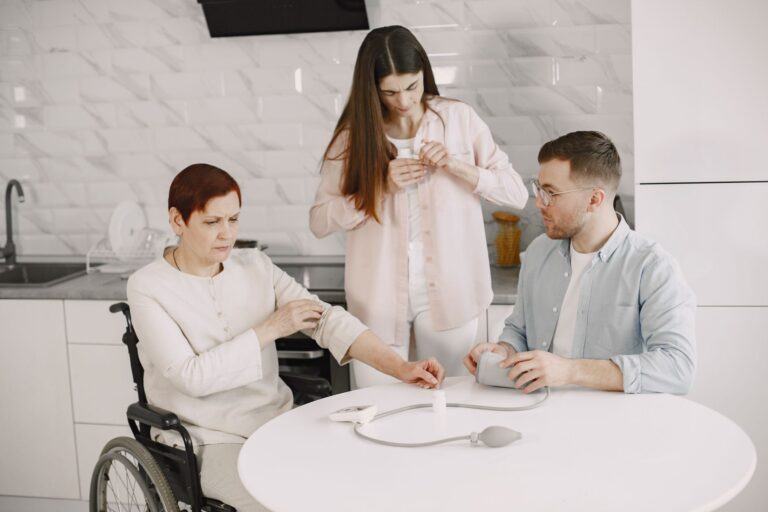
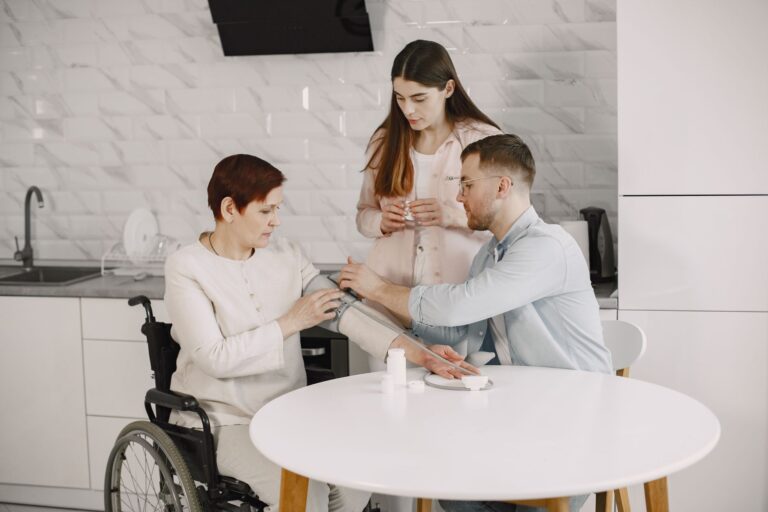
Respite gives the caregiver time off while another trained person stays with the patient. Help can mean a home aide for an afternoon, an adult day program for weekdays, or a short facility stay during travel or illness.
The break also protects the care partnership. Regular time off lowers exhaustion and lets caregivers handle errands, sleep, medical visits and family time. The Parkinson's Foundation urges care partners to plan these breaks in advance caring for the care partner.
Where can you search near home?
Start with a ZIP-code search. The ARCH National Respite Network offers a free National Respite Locator searchable by ZIP or county, plus state contacts and guides for in-home, day-program and facility care National Respite Locator.
Also contact your local Area Agency on Aging through the federal Eldercare Locator at 1-800-677-1116 and eldercare.acl.gov. That agency connects caregivers to local programs, including counseling, training and respite under the National Family Caregiver Support Program. The Alzheimer's Association also runs a free 24/7 Helpline at 800-272-3900 and an online Community Resource Finder by ZIP code.
Who helps with cost?
Costs depend on type, hours, location and staffing. Home care is often hourly, day programs charge by day, and facility stays cost more for overnight care.
Ask about public support when you call. Medicare's GUIDE Model, a voluntary nationwide 8-year program begun July 1, 2024, reimburses participating programs up to $2,500 per year per eligible dementia patient for in-home, adult-day and facility respite for qualifying caregivers, according to the Centers for Medicare & Medicaid Services GUIDE Model page. Ask whether a local dementia program takes part and who qualifies.
What should you ask before booking?
Availability, cost, eligibility and Parkinson's-dementia experience vary by provider. A service may serve one county, set hour minimums or lack staff trained for hallucinations and confusion. Call with details ready: Confirm coverage, training and backup plans in writing before the first visit.
- ZIP code, diagnosis, days and hours needed
- Help wanted with meals, medicines, mobility and supervision
- Staff training for dementia, hallucinations and mood changes
- Total price, coverage rules and backup plan if staff cancel