Speech therapy slows the functional effects of aphasia, not the underlying brain disease. Aphasia is loss of language ability, and therapy helps people keep communicating longer and stay independent. For primary progressive aphasia, a gradual neurodegenerative language loss, standard care is speech-language therapy to maintain communication ability. According to Cleveland Clinic, there is no cure and no current way to stop progression, so therapy preserves daily function without halting brain change.
Medical information disclaimer: This article is for general educational purposes only and does not provide medical advice, diagnosis, or treatment. Always consult a physician or other qualified health professional about symptoms, medications, tests, or treatment decisions.
Table of Contents
- What does therapy rebuild and replace?
- Why is progressive aphasia treated differently?
- How do intensity and timing affect results?
- What should families plan early?
What does therapy rebuild and replace?
According to the National Institute on Deafness and Other Communication Disorders, therapy rebuilds remaining language skills as much as possible while teaching alternate communication such as gestures, pictures, and devices. Sessions may practice word finding, sentence building, listening, and reading. The person also learns backup tools for moments when speech fails.
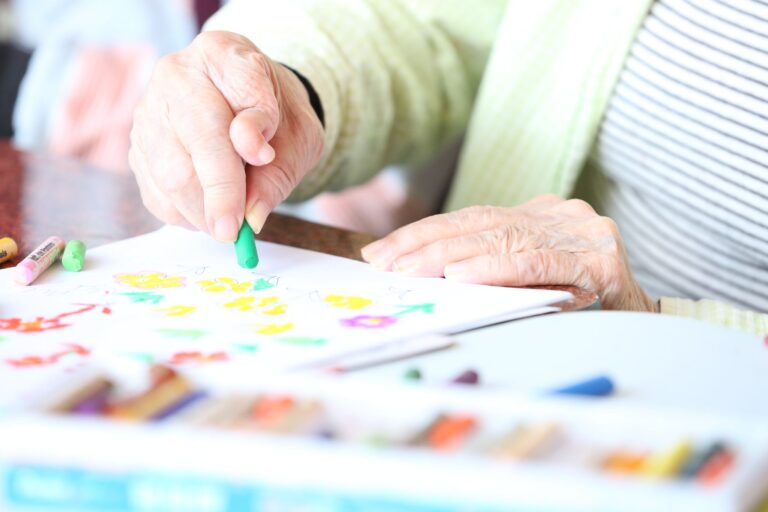
Those backups are practical and specific. They include gestures, picture boards, drawing, notebooks, and electronic devices. Families often practice structured routines, such as a fixed way to order food or confirm plans.
Why is progressive aphasia treated differently?
In primary progressive aphasia the goal is not regaining lost language. An American Speech-Language-Hearing Association journal review describes the aim as maximizing communication for as long as possible through preserved skills and compensatory strategies in this progressive form.
That means the therapist identifies what still works well. A person with strong memory for routines may use scripted phrases. A person with strong visual skills may rely more on pictures and drawing.
How do intensity and timing affect results?
Early and frequent practice produces the best language gains. For post-stroke aphasia, NIHR Evidence reports best recovery with 20-50 hours total therapy, often at 2-4 hours per day over 4-5 days per week when given early and intensively. The cause differs from progressive aphasia, but the lesson is consistent: do not wait.
Intensive practice can also change how the brain supports language. Functional neuroimaging research found seniors had better object naming after six weeks of intensive therapy, using alternate circuits that stayed active. Short, regular home practice between visits helps carry those gains into daily life.
What should families plan early?
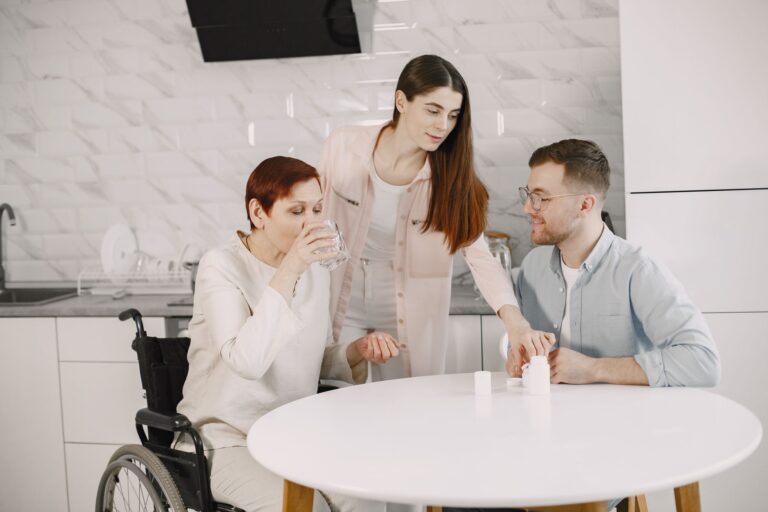
Start speech therapy soon after diagnosis and practice often. Learn augmentative communication before speech becomes severely limited, so the tools feel familiar later. Bring the main communication partners to therapy when possible.
- Choose a simple picture board, notebook, or speech app now
- Write down key names, addresses, medical needs, and daily routines
- Agree on yes-no signals, gestures, and backup phrases
- Keep practice sessions short, frequent, and tied to real tasks