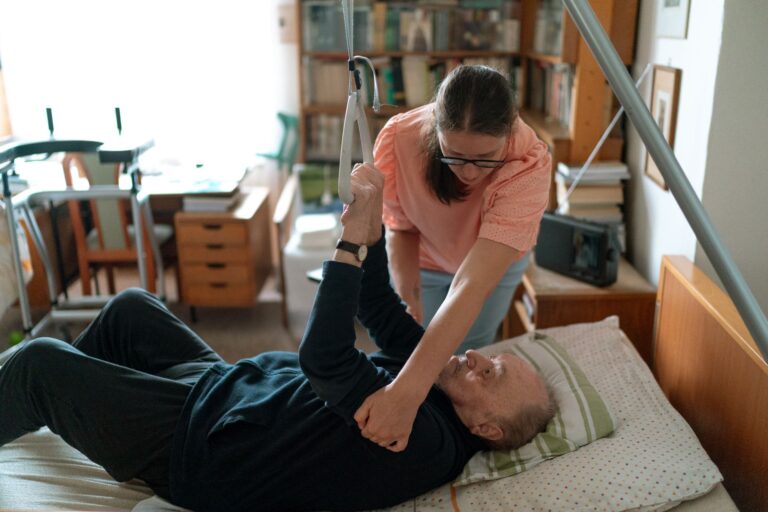
Aging silently sits at the center of this dementia and brain health question.
Aging is a quiet process, and one of its most fascinating—and sometimes unsettling—effects happens inside your brain. You might not notice it at first, but as the years go by, your brain is constantly rewiring itself in subtle ways. This silent transformation can change how you think, remember things, and even how you react to stress.
For most people, these changes are gradual. You might find yourself taking a little longer to recall names or needing extra time to solve problems that once seemed easy. Your attention span may not be what it used to be, and sometimes you might misplace your keys or forget why you walked into a room. These are normal parts of aging; they don’t mean your intelligence is slipping away—just that your brain is working at its own pace now.
But beneath the surface, more serious shifts can be happening too. Scientists have discovered that some people show early signs of Alzheimer’s-related changes in their blood long before any symptoms appear. This means their brains could already be vulnerable to stress or disease without them realizing it. When faced with challenges like surgery or illness, some brains bounce back quickly while others struggle more than expected.
Recent research has shown that certain proteins linked to brain stress and damage spike during stressful events like surgery. In some cases, these changes stick around for months or even become permanent for about 10% of people affected by such events.
So what does this mean for everyday life? It means paying attention to how you feel mentally as well as physically becomes more important as you age. If you notice persistent trouble with memory or focus—or if friends and family point out changes in your behavior—it’s worth talking with a healthcare professional.
There are also steps everyone can take to help keep their brains healthy:
– **Stay active:** Regular physical activity boosts blood flow to the brain.
– **Eat well:** A balanced diet rich in fruits, vegetables, whole grains and healthy fats supports overall health.
– **Challenge yourself:** Learning new skills keeps neural pathways strong.
– **Get enough sleep:** Quality rest helps clear toxins from the brain.
– **Manage stress:** Mindfulness practices like meditation can reduce harmful effects on mental function.
– **Stay social:** Connecting with others keeps emotions balanced and minds sharp.
While aging silently rewires our brains over time—sometimes making us more resilient but other times exposing hidden vulnerabilities—we do have power over much of our cognitive future through lifestyle choices today.
If there’s one thing science tells us clearly: The way we live now shapes how our minds will work later on down the road when those silent rewirings become harder for us alone to ignore or undo without help from good habits built up along life’s journey so far!
For more, see NIH MedlinePlus — dementia.