Reviewed by the Help Dementia Editorial Team — our editors review every article for accuracy against guidance from the National Institute on Aging, the Alzheimer’s Association, and peer-reviewed sources.
Activities programs support dementia residents by providing structured engagement that slows cognitive decline, maintains emotional connection, and reduces behavioral symptoms like agitation and aggression. When a resident with moderate dementia attends a music therapy session and suddenly becomes calm and present after weeks of withdrawn behavior, that shift illustrates how the right activity can reach someone when other interventions fall short. Rather than being optional enrichment, these programs address core challenges in dementia care by tapping into preserved abilities and emotional memory.
Beyond the immediate behavioral benefits, activities programs create a sense of purpose and routine that dementia residents often lose. Many facilities have documented measurable improvements in sleep quality, decreased medication needs for anxiety, and reduced incidents of wandering or resistance to care in residents who participate regularly in structured programs. The impact extends to family members as well—watching a parent engage meaningfully in an activity often provides reassurance that their loved one still has quality moments despite their diagnosis.
Table of Contents
- Why Do Dementia Residents Need Structured Activities?
- How Activities Prevent Cognitive and Physical Decline
- Music, Art, and Reminiscence as Therapeutic Tools
- Choosing the Right Activities for Different Dementia Stages
- The Risk of Under-Staffing and Inconsistent Programming
- Family Involvement and Intergenerational Activities
- Technology and Innovation in Activity Programming
- Conclusion
- Frequently Asked Questions
Why Do Dementia Residents Need Structured Activities?
Dementia fundamentally disrupts a person’s sense of time, identity, and connection. Without structured activity, residents often experience increased anxiety, depression, and behavioral disturbances. The brain’s executive function—the ability to plan, initiate, and sustain engagement—deteriorates with dementia, leaving residents vulnerable to apathy and social withdrawal if activities aren’t brought to them intentionally. A resident who would normally have organized their own day now struggles to find meaningful ways to occupy their time, which can lead to repetitive behaviors, fixation on negative memories, or constant requests for reassurance.
Structured activities counteract this deterioration by providing external scaffolding that the brain can no longer provide internally. When an activity is introduced with clear expectations, a familiar person, and sensory elements the resident recognizes, the dementia brain can still participate meaningfully. For example, a resident with advanced dementia may not remember their own name consistently but can still sort objects, respond to music, or engage in a familiar craft when that activity is presented in the right way. The structure itself becomes therapeutic, not just the content.

How Activities Prevent Cognitive and Physical Decline
Cognitive and motor engagement in activities directly influences the rate of decline in dementia residents. Research has shown that residents in facilities with robust activity programs maintain functional abilities longer than those without—they retain basic skills like feeding themselves, walking with assistance, and recognizing family members for extended periods. This isn’t because the activity reverses dementia, but because regular cognitive and physical stimulation maintains neural pathways and muscle memory. A resident who participates in hand-craft activities maintains fine motor control that they would otherwise lose more rapidly through disuse.
However, the benefits plateau and vary significantly based on dementia stage. Activities designed for early-stage dementia—like discussion groups or complex problem-solving games—can frustrate someone in mid-stage dementia, who needs simpler, more sensory-based engagement. A critical limitation is that family members and facility staff often overestimate what activities a particular resident can handle, leading to moments of failure and frustration for the resident. There’s also the risk of forcing participation: a resident who is tired, in pain, or simply resistant should not be pressured into an activity, as this damages trust and increases anxiety. The most effective programs assess each resident individually and adjust activities as their abilities change.
Music, Art, and Reminiscence as Therapeutic Tools
Music therapy stands out in dementia care because long-term musical memory is often preserved even in advanced dementia. A resident who cannot speak may suddenly sing along to a familiar song from their youth, or begin to move rhythmically to music even if they cannot walk independently otherwise. Music activates multiple brain regions simultaneously and creates emotional responses that bypass cognitive deficits. Many facilities have found that a simple 30-minute music session dramatically reduces agitation during evening hours, to the point where they can reduce medications for anxiety or sleep disorders.
Reminiscence activities—looking through old photographs, listening to music from a resident’s era, handling objects from their past—similarly leverage preserved memories and identity. A resident who can no longer have a linear conversation may come alive when handling a familiar object or viewing pictures from their working years. These activities create windows of connection for families, who often struggle with how to interact with a parent or spouse who doesn’t recognize them. When a daughter brings in her mother’s favorite recipe and they cook together (adapted for the mother’s current abilities), both the resident and family member experience presence and continuity despite the dementia.

Choosing the Right Activities for Different Dementia Stages
Early-stage dementia residents often benefit from cognitively complex activities: discussion groups, educational topics, games with rules, travel experiences, or volunteer opportunities. These activities acknowledge the person’s relatively preserved cognitive function and help them maintain intellectual engagement. A resident in early dementia might lead a group discussion, participate in community outreach, or take an educational class about a lifelong interest. As dementia progresses to mid-stage, activities must shift toward the sensory and emotional.
Sorting activities, gardening (simplified), music, gentle crafts, and one-on-one reminiscence become more appropriate than complex games. The tradeoff is real: the resident loses opportunity for intellectual challenge, but gains the ability to participate successfully and experience competence. A mid-stage resident may not complete a knitting project, but can spend an hour with needles and yarn, experiencing the sensory pleasure and muscle memory of a lifetime habit. In late-stage dementia, even simpler sensory activities—music, hand massage, scent exploration, touching textures—provide comfort and connection. A facility that offers only traditional game-based activities will struggle to engage late-stage residents, missing the opportunity to provide meaningful comfort through non-cognitive channels.
The Risk of Under-Staffing and Inconsistent Programming
Many long-term care facilities struggle to offer consistent activities because they lack dedicated activity staff or because funding is inadequate. When activities are sporadic or led by rotating staff who don’t know residents well, the therapeutic benefit diminishes sharply. A resident begins to anticipate a weekly music session and look forward to it—but if it’s cancelled without explanation or replaced with an unfamiliar person and different music, the resident experiences disappointment and loses trust in the program. Staff burnout in activity departments is also common but rarely discussed.
A single activities director managing programming for 80+ residents across multiple care levels faces an impossible task, often defaulting to passive activities like television rather than engaging, person-centered ones. Some facilities have found success training nursing aides and volunteers to co-facilitate activities under the activities director’s guidance, but this requires intentional planning and ongoing supervision. The warning here is clear: a facility that claims to offer activities but cannot demonstrate consistent, trained programming is not meeting resident needs effectively. Before choosing a facility, families should ask specific questions about activity staffing levels, credentials, and actual weekly programming, not just verbal descriptions of what “could” happen.

Family Involvement and Intergenerational Activities
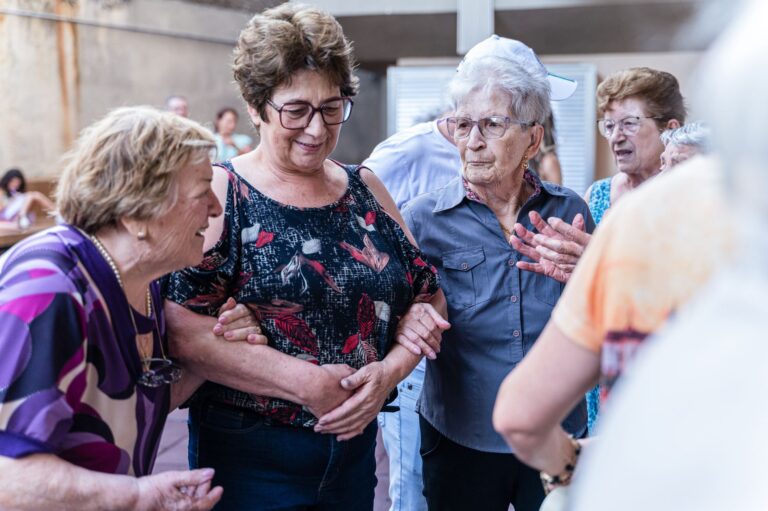
Many facilities have expanded activities to include family members and community volunteers, with strong results. When a resident’s grandchildren visit and participate in an art project together, or when a community volunteer consistently plays cards with a resident weekly, the resident experiences continuity of relationship and a sense of being part of the broader world. These programs also benefit family members, who often feel helpless during visits.
A daughter who doesn’t know how to talk to her father with dementia can sit alongside him during a painting activity, and the shared focus on something external creates natural connection. One successful model is intergenerational programming that brings schoolchildren into facilities for music, storytelling, or craft activities. These interactions often delight both the children and the residents, and the visits provide residents with purpose—many feel they are “teaching” or “helping” the children. However, such programs require careful matching and supervision; a child who is loud or unpredictable can frighten a resident with dementia.
Technology and Innovation in Activity Programming
Some facilities are experimenting with virtual reality activities—gentle scene experiences like nature walks or familiar locations from a resident’s past—though evidence for their effectiveness is still emerging. At their best, these tools can transport a resident with mobility limitations to places they loved, or provide sensory experiences that support reminiscence. At their worst, they’re overstimulating gadgetry that isolates residents further. The most successful programs don’t replace in-person, hands-on activities but supplement them as an option for residents who have specific limitations.
Looking forward, the field is moving toward more personalized, data-informed activity planning. Facilities that track which activities produce which outcomes—reduced agitation, improved sleep, maintained cognition—can optimize programming. The best models recognize that dementia care is fundamentally relational, and activities are the vehicle for that relationship, whether between staff and resident, family and resident, or peers. As the dementia population continues to grow and facilities face staffing challenges, prioritizing adequate activity programming will distinguish quality care from basic warehousing.
Conclusion
Activities programs are not luxuries in dementia care—they are core interventions that preserve function, reduce behavioral symptoms, and maintain emotional connection. The evidence is consistent: residents with access to thoughtfully designed, consistently delivered activities show slower cognitive decline, reduced depression and anxiety, and fewer behavioral crises than those without.
These benefits flow directly from using activities to work with the dementia brain’s remaining abilities rather than constantly confronting its deficits. Families evaluating care options should ask specific questions about activity programming: Who leads activities, how are they trained, what does a typical week look like, and how are activities adapted for different dementia stages? A facility with one part-time activities coordinator for hundreds of residents, or one that relies primarily on television and passive programming, is not meeting the standard of care that dementia residents deserve. As caregivers, the investment in finding or advocating for robust activity programming may be one of the highest-impact decisions you make for a loved one’s quality of life.
Frequently Asked Questions
What if my parent with dementia refuses to participate in activities?
Refusal often signals that the activity doesn’t match the person’s current abilities, interests, or physical state. It may also indicate pain, hunger, fatigue, or anxiety. Rather than forcing participation, work with the activities staff to identify what your parent does engage with—it might be one-on-one interaction rather than group settings, or sensory activities rather than task-based ones. Building trust and making participation voluntary actually increases overall engagement over time.
Can activities slow the progression of dementia itself?
Activities cannot slow the underlying neurological disease, but they do preserve functional abilities longer and may reduce certain behavioral symptoms. Think of it like physical therapy after a stroke—you’re not reversing the stroke, but you’re maintaining and strengthening what remains. The resident may forget the activity the next day, but the emotional benefits and maintained motor memory persist.
How much activity is too much for someone with advanced dementia?
Overstimulation is a real risk, particularly in late-stage dementia when sensory processing is compromised. If a resident becomes agitated, withdrawn, or exhausted after activities, it may be a sign they’re being over-programmed. Quality matters far more than quantity. One meaningful one-on-one interaction may provide more benefit than multiple group activities.
Should I avoid activities my parent used to dislike before dementia?
Sometimes yes, but not always. People with dementia often experience shifts in preferences and abilities. A parent who hated knitting before dementia might now enjoy the sensory experience. However, activities associated with past trauma or negative emotion (like competitive sports if the person was always anxious about performance) are usually still best avoided.
What’s the difference between occupational therapy and recreational activities?
Occupational therapy is goal-directed and therapeutic, focused on maintaining or improving specific functional abilities like self-care or mobility. Recreational activities are more about engagement, pleasure, and social connection, though they can have therapeutic benefits as well. Both have a place in dementia care, and ideally facilities offer both.
Can activities prevent sundowning (late-day agitation)?
Sundowning has multiple causes, but research suggests that daytime cognitive and sensory engagement—particularly morning light exposure and meaningful activities—can reduce its severity. A structured daily routine with activities early in the day, combined with reduced stimulation in late afternoon, helps many residents. However, some cases of sundowning also have medical causes like pain or medication timing, so it shouldn’t be addressed through activities alone.