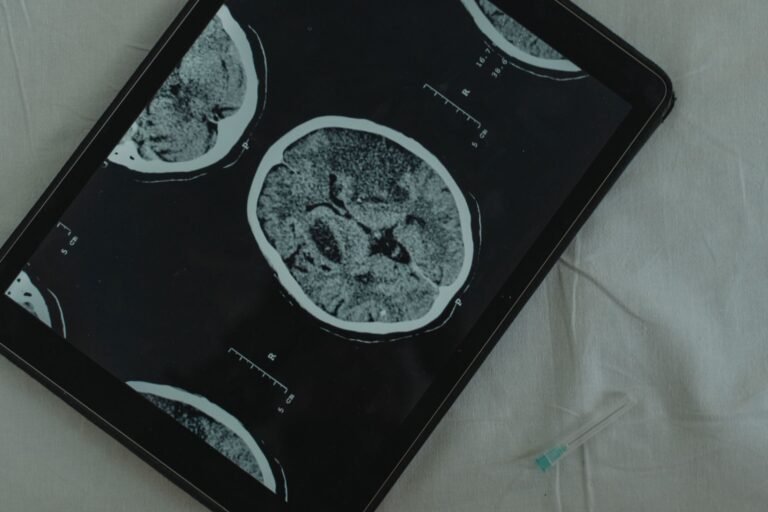
New spinal sits at the center of this dementia and brain health question.
A new spinal fluid test could fundamentally change how doctors diagnose movement disorders like Parkinson’s disease and Lewy body dementia. Rather than relying on symptoms alone—which often appear after significant brain damage has already occurred—these tests can detect the actual pathology in cerebrospinal fluid, catching disease at earlier, potentially more treatable stages. The alpha-synuclein seed amplification assay (SAAmplify–αSYN), developed in collaboration between Mayo Clinic Laboratories and Amprion, achieves 96% sensitivity and 92% specificity in detecting the abnormal protein buildup that drives Parkinson’s disease, with 94% overall diagnostic accuracy.
What makes this breakthrough transformative is the speed and precision it brings to diagnosis. For decades, neurologists have diagnosed movement disorders largely through clinical observation and imaging, which can miss early-stage cases or misidentify diseases with overlapping symptoms. A person presenting with tremor, slowness, and rigidity might have Parkinson’s disease, Lewy body dementia, or even Alzheimer’s disease with atypical features—conditions requiring entirely different treatment approaches. This article explores how spinal fluid biomarkers are changing this diagnostic landscape, what they can and cannot do today, and what patients and families should know about this emerging tool.
Table of Contents
- How Does a Spinal Fluid Test Detect Movement Disorders?
- How Accurate Is This New Test?
- What Movement Disorders Can Spinal Fluid Tests Identify?
- What Is the Clinical Process for Getting a Spinal Fluid Test?
- What Are the Current Limitations and Challenges?
- How Do Spinal Fluid Biomarkers Compare to Other Diagnostic Methods?
- The Future of Spinal Fluid Biomarkers in Movement Disorder Diagnosis
- Conclusion
How Does a Spinal Fluid Test Detect Movement Disorders?
The spinal fluid test works by looking for specific proteins that accumulate in movement disorders. In Parkinson’s disease and related conditions, a protein called alpha-synuclein misfolds and clumps together in the brain. These abnormal clumps can spread from cell to cell, damaging neurons and causing the characteristic symptoms of tremor, rigidity, and slowness. Small amounts of these misfolded proteins leak into the cerebrospinal fluid that bathes the brain and spinal cord. The alpha-synuclein seed amplification assay detects these misfolded proteins using a specialized laboratory technique that amplifies the signal, making even tiny amounts detectable.
More recently, researchers discovered another biomarker—DOPA decarboxylase—in cerebrospinal fluid that enables more accurate differentiation between Parkinson’s disease and Lewy body dementia on one hand, and Alzheimer’s disease and healthy aging on the other. This is clinically crucial because Parkinson’s and Lewy body dementia respond to dopaminergic medications that would be inappropriate or ineffective for Alzheimer’s patients. By identifying which disease is actually present, doctors can prescribe the right treatment from the start rather than through trial and error. The test requires a lumbar puncture, or spinal tap, in which a needle is inserted into the lower back to collect cerebrospinal fluid. While this is an invasive procedure requiring some skill to perform safely, it is relatively routine in neurology clinics and hospitals. The fluid sample is then sent to a specialized laboratory where the biomarker analysis takes place.

How Accurate Is This New Test?
The numbers are impressive. The alpha-synuclein seed amplification assay demonstrates 96% sensitivity—meaning it correctly identifies 96 out of 100 people who actually have the disease—and 92% specificity, meaning it correctly identifies 92 out of 100 people who do not have the disease. When sensitivity and specificity are combined, the test achieves 94% overall diagnostic accuracy. These are among the highest accuracy figures available for any single biomarker in neurology. For comparison, brain imaging and standard clinical exams alone typically achieve 70–85% diagnostic accuracy in distinguishing Parkinson’s disease from similar conditions. However, accuracy depends on the condition being tested.
The test excels at detecting alpha-synuclein pathology, which is present in Parkinson’s disease, Lewy body dementia, and related synucleinopathies. It is less useful for other movement disorders that do not involve alpha-synuclein accumulation. Someone with essential tremor, dystonia, or normal-pressure hydrocephalus—all of which cause movement problems—would show negative results on an alpha-synuclein test because these conditions involve different pathology. The test is specific to the disease mechanism it detects; a negative result does not rule out all movement disorders. A multimodal diagnostic approach combining the spinal fluid biomarker with clinical assessment and neuroimaging produces even higher overall diagnostic confidence. When doctors use multiple pieces of evidence—what symptoms the patient reports, how the neurological exam looks, what the brain scan shows, and what the cerebrospinal fluid biomarkers reveal—they make more accurate diagnoses than relying on any single test alone.
What Movement Disorders Can Spinal Fluid Tests Identify?
Spinal fluid biomarkers are currently used clinically to evaluate autoimmune and paraneoplastic movement disorders, including ataxia (loss of coordination), brainstem encephalitis, chorea (involuntary jerking movements), dyskinesias, myoclonus (sudden jerking), and parkinsonism. Beyond these, the alpha-synuclein test is most validated for Parkinson’s disease and Lewy body dementia. A woman in her 60s with tremor and memory loss, for example, could have Lewy body dementia—a condition characterized by Lewy bodies (clumps of alpha-synuclein) in the brain—which causes both movement and cognitive symptoms and responds well to Lewy body-specific treatments. A spinal fluid test revealing alpha-synuclein pathology would immediately point toward this diagnosis, while elevated DOPA decarboxylase would help distinguish it from primary Alzheimer’s disease, where these markers would be absent.
Recent advances in cerebrospinal fluid biomarker modeling have improved the ability to predict Parkinson’s disease diagnosis even before full symptoms develop, according to research published in 2025. This opens the possibility of identifying at-risk individuals during a window when preventive or disease-modifying treatments might be most effective. A person with mild motor symptoms or subtle cognitive changes could be tested early, allowing doctors to initiate appropriate monitoring and treatment before disability accumulates. The key advantage in all these cases is specificity. Rather than saying “you have a movement disorder,” spinal fluid biomarkers can say “you have alpha-synuclein pathology” or “you have evidence of autoimmune encephalitis,” pointing toward the exact disease mechanism and guiding treatment decisions.

What Is the Clinical Process for Getting a Spinal Fluid Test?
If a neurologist suspects a movement disorder that might be clarified by biomarker testing, they will discuss whether a lumbar puncture is appropriate. The procedure is typically performed in a hospital or outpatient clinic by a trained neurologist or anesthesiologist. The patient lies on their side, the skin over the lower back is cleaned and numbed with local anesthetic, and a needle is carefully inserted between the vertebrae to collect cerebrospinal fluid. The procedure takes 15–30 minutes, and most people experience only mild discomfort from the needle insertion, similar to a blood draw. Optimal timing for the spinal tap is important: the fluid should be collected before starting immunosuppressant medication or corticosteroid treatment in cases of autoimmune movement disorders.
Once treatment begins, it may alter the biomarker levels in the fluid, potentially making the test less accurate or even causing false negatives. This is one reason why early medical evaluation is valuable—it allows the diagnostic workup to proceed before treatment potentially obscures the underlying pathology. After the lumbar puncture, the cerebrospinal fluid is sent to a specialized laboratory, often one of the few centers equipped to perform advanced biomarker analysis. At Mayo Clinic Laboratories, for instance, the alpha-synuclein test is performed in collaboration with Amprion, a company specializing in protein misfolding detection. Results typically return within two to four weeks, and the neurologist will review them with the patient and discuss what the findings mean for diagnosis and treatment planning.
What Are the Current Limitations and Challenges?
The most significant limitation is that the alpha-synuclein seed amplification assay can currently be performed only on cerebrospinal fluid obtained through lumbar puncture. It cannot yet be done on blood plasma, which would allow for non-invasive screening in clinical trials and routine practice. Lumbar puncture, while generally safe, carries small risks of infection, bleeding, and post-procedure headache, and it is more burdensome than a simple blood draw. This means the test remains a tool for diagnostic confirmation in symptomatic patients rather than a screening test for asymptomatic at-risk populations. Another limitation is standardization.
Testing methods have not yet been uniformly adopted and standardized across all research centers and clinical laboratories. Different labs may use slightly different protocols, potentially leading to variation in results. As the field matures and more centers adopt the assay, standardization will improve, but currently, the test is not universally available and access depends on location and local availability. Additionally, while the test is highly accurate for alpha-synuclein pathology, it provides no information about other aspects of brain health that contribute to symptoms. Vascular disease, brain atrophy, medication effects, and other factors all influence movement and cognition. A positive alpha-synuclein test confirms part of the clinical picture but does not fully explain every symptom or predict disease progression in any individual case.

How Do Spinal Fluid Biomarkers Compare to Other Diagnostic Methods?
Spinal fluid biomarkers are most complementary to plasma biomarkers and neuroimaging. Plasma neurofilament light chain, detectable in blood, serves as a secondary biomarker that augments clinical findings and neuroimaging results. Blood biomarkers are easier to obtain and are increasingly used in practice, though they are somewhat less specific for individual disease mechanisms than cerebrospinal fluid analysis.
Brain imaging such as MRI and PET scans can show the structure and function of the brain and help rule out other conditions like stroke or tumor, but imaging cannot directly detect the specific protein pathology that causes Parkinson’s disease or Lewy body dementia. The strongest diagnostic approach uses all three: clinical evaluation by a neurologist experienced in movement disorders, spinal fluid (or plasma) biomarkers to confirm the underlying pathology, and neuroimaging to assess brain structure and rule out mimics. A patient presenting with gait disorder and memory loss, for instance, would benefit from a comprehensive neurological exam, brain MRI to exclude stroke or hydrocephalus, and cerebrospinal fluid biomarker testing to determine whether alpha-synuclein or tau pathology is driving the symptoms.
The Future of Spinal Fluid Biomarkers in Movement Disorder Diagnosis
The field is moving rapidly toward blood-based biomarkers that could eventually replicate the accuracy of cerebrospinal fluid testing without requiring lumbar puncture. Several research groups are working to adapt alpha-synuclein seed amplification techniques to plasma, and preliminary results are promising.
If these efforts succeed, screening asymptomatic relatives of Parkinson’s disease patients or population-level early detection might become feasible. Looking further ahead, as biomarker panels become standardized and more widely available, spinal fluid testing will likely become routine in comprehensive movement disorder clinics, similar to how cerebrospinal fluid analysis is standard for diagnosing autoimmune encephalitis today. Earlier and more accurate diagnosis means treatment can begin sooner, potentially preserving more brain function and quality of life for patients with these serious conditions.
Conclusion
Spinal fluid tests for movement disorder detection represent a genuine advance in neurology. The alpha-synuclein seed amplification assay offers exceptional diagnostic accuracy—94% overall—in identifying alpha-synuclein pathology underlying Parkinson’s disease and Lewy body dementia. Combined with newer biomarkers like DOPA decarboxylase, cerebrospinal fluid testing enables doctors to distinguish between diseases with overlapping symptoms and recommend appropriate treatment from the start.
At present, spinal fluid testing is best suited for patients with suspected movement disorders who are willing to undergo lumbar puncture and who have access to specialized laboratories performing the test. As the field matures, standardization improves, and blood-based alternatives develop, these biomarkers will play an increasingly central role in movement disorder diagnosis. If you have symptoms suggestive of Parkinson’s disease, Lewy body dementia, or related conditions, discussing biomarker testing with a neurologist can provide valuable diagnostic clarity and guide decisions about treatment and monitoring.
You Might Also Like
- How a New Spinal Fluid Test Could Transform Detection of Movement Disorders
- New Research Reveals How Movement May Guard Against Cognitive Decline
- What if a milk-based ingredient could address brain disease progression?
For more, see NIH MedlinePlus — cognitive testing.