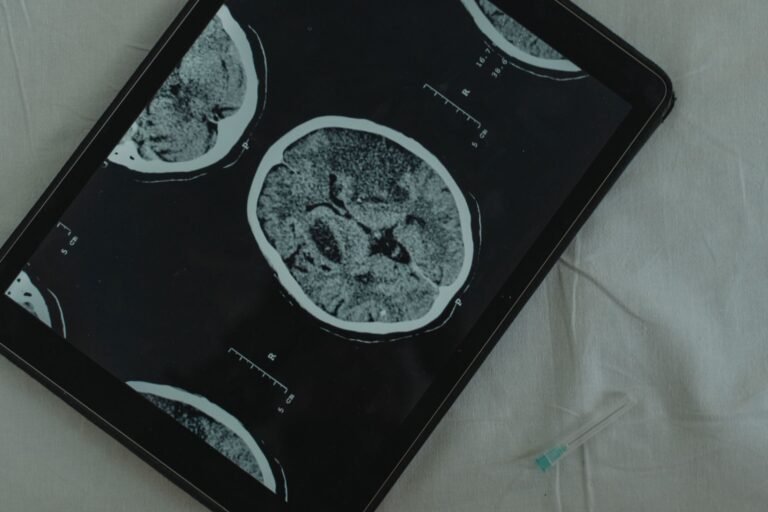
Hospital-admitted bacterial sits at the center of this dementia and brain health question.
Recent large-scale research confirms that hospitalizations for bacterial infections are significantly associated with faster cognitive decline and higher dementia risk. A landmark study of over 374,000 individuals from Finnish health registry data found that people who had been hospitalized for bacterial infections showed measurably poorer cognitive performance compared to those without infection histories. The timing of this link is particularly striking: on average, these dementia-related infections occurred 5 to 6 years before a formal dementia diagnosis, suggesting that infections don’t simply coincide with cognitive problems—they may actively accelerate the underlying decline that leads to dementia.
Understanding this connection matters because bacterial infections are preventable and treatable, which means there are concrete steps you and your healthcare providers can take to protect cognitive health. This article examines what we know about how bacterial illnesses trigger cognitive damage, which infections carry the greatest risk, and what you can do to reduce your dementia vulnerability in the wake of a serious infection. The evidence points to a clear biological mechanism: infections trigger powerful inflammatory responses in the body that can cross into the brain and damage neurons or worsen the buildup of dementia-related plaques in people already at risk. This is not speculation—it’s based on rigorous epidemiological studies and emerging understanding of how systemic inflammation affects brain aging.
Table of Contents
- What Does Research Reveal About Bacterial Infections and Cognitive Decline?
- Understanding the Mechanism—How Infections Trigger Brain Damage
- Sepsis and Dementia Risk—The Most Severe Infection-Cognitive Connection
- Protecting Cognitive Health—Prevention and Recovery After Bacterial Infection
- Important Limitations and Outstanding Questions
- Lower Respiratory Infections and Memory—A Particular Concern
- What’s Next—Research Directions and Clinical Implications
- Conclusion
What Does Research Reveal About Bacterial Infections and Cognitive Decline?
Multiple rigorous studies confirm the link between hospitalized bacterial infections and cognitive problems. The Johns Hopkins Bloomberg School of Public Health found that prior hospitalization for any infection was associated with lower general cognition and poorer executive function—the cognitive abilities that let us plan, organize, and make decisions. Importantly, lower respiratory tract infections (pneumonia, bronchitis severe enough to require hospitalization) showed an additional specific impact on memory, meaning these infections may damage cognitive abilities across multiple domains. The strength of these associations suggests this is not a random correlation but a meaningful risk factor for brain health.
The Finnish registry study of 374,000 people is particularly valuable because it followed people over time, reducing the chance that pre-existing dementia caused the infections rather than the other way around. This is a common question in medical research: which came first? The timing evidence—infections occurring 5 to 6 years before dementia diagnosis—strongly suggests infections accelerate an underlying cognitive decline rather than simply appearing as an early symptom of dementia that was already developing. However, it’s worth noting that not everyone who gets hospitalized for a bacterial infection develops dementia; this research describes increased risk, not certainty. Your individual risk depends on age, genetics, overall health, and other factors.

Understanding the Mechanism—How Infections Trigger Brain Damage
When your body fights a serious bacterial infection, it releases powerful signaling molecules called proinflammatory cytokines. These proteins trigger the inflammatory response that helps your immune system fight the infection—fever, increased white blood cells, and other protective mechanisms. The problem is that severe systemic inflammation doesn’t stay confined to the infection site. Some of these inflammatory molecules cross the blood-brain barrier, the protective membrane that normally shields the brain from circulating toxins.
Once inside the brain, these inflammatory signals can damage neurons, trigger cell death, or accelerate the accumulation of amyloid plaques and tau tangles—the hallmarks of Alzheimer’s disease pathology. This mechanism is particularly concerning for people in middle age and older adulthood who may already have early, subclinical Alzheimer’s disease—meaning their brains are accumulating dementia-related pathology before any cognitive symptoms appear. In these individuals, a severe bacterial infection that triggers acute brain inflammation might be the push that tips the balance from asymptomatic pathology to clinical cognitive decline. This doesn’t mean every infection will cause dementia, but it does mean that reducing infection risk and managing infections aggressively becomes a form of dementia prevention. A limitation here is that most research has focused on the relationship between infections and later dementia diagnosis, rather than on whether treating infections more aggressively or preventing them entirely can reduce dementia risk—though the evidence strongly suggests it should.
Sepsis and Dementia Risk—The Most Severe Infection-Cognitive Connection
Sepsis, the life-threatening condition where an infection triggers a severe body-wide inflammatory response, carries particularly high dementia risk. A meta-analysis in Frontiers in Aging Neuroscience found a dose-dependent relationship: mild sepsis was associated with a 1.20 times higher hazard ratio for dementia, moderate sepsis with 3.37 times higher, and severe sepsis with 5.04 times higher risk. This means severe sepsis survivors had five times the dementia risk compared to people who never experienced sepsis—a dramatic difference. A study of over 20,000 hospitalized sepsis patients found significantly increased dementia development in the years following discharge, and research suggests approximately 20,000 new cases per year of moderate to severe cognitive impairment in elderly people may be directly attributable to sepsis.
These numbers reflect both the intense inflammatory cascade sepsis triggers and the damage that occurs when virtually every organ system, including the brain, is under inflammatory stress. Sepsis survivors often experience what’s called “post-sepsis syndrome,” which includes cognitive problems, fatigue, and mood changes that can persist for months or years after recovery. If you or a family member survived sepsis, cognitive monitoring becomes especially important—discussing with your doctor whether screening for early cognitive changes, such as through neuropsychological testing, makes sense for your situation. The encouraging news is that sepsis survival rates have improved significantly with modern treatment, but the cognitive aftermath requires attention that sometimes gets overlooked once the acute infection is resolved.

Protecting Cognitive Health—Prevention and Recovery After Bacterial Infection
The strongest protection against infection-related cognitive decline is preventing serious bacterial infections in the first place. This means staying current with vaccinations that prevent bacterial infections: pneumococcal vaccines for people over 65, annual influenza vaccines, and any other vaccines your doctor recommends based on your age and health status. For people at high risk of infection—those with chronic lung disease, diabetes, heart disease, or weakened immune systems—preventing infections through vaccination and prompt treatment of early signs of illness (fever, productive cough, urinary symptoms) becomes even more critical. If you do develop signs of a serious infection, seeking prompt medical care rather than trying to manage it at home significantly reduces the severity and the likelihood of sepsis developing. Recovery after hospitalization for bacterial infection should include cognitive monitoring.
If you notice memory lapses, difficulty concentrating, slower thinking speed, or difficulty organizing thoughts in the weeks and months after recovery, mention these changes to your doctor explicitly. Early identification of post-infection cognitive changes matters because it allows your doctor to rule out other causes (medication side effects, low thyroid function, depression, sleep problems) and to recommend interventions that may help—cognitive rehabilitation, attention to cardiovascular risk factors, or lifestyle changes that support brain health. The comparison here is important: treating post-infection cognitive changes early, when they’re mild, is far more effective than waiting until significant dementia develops. Some people recover full cognitive function after infection; others develop persistent mild cognitive impairment. Your individual trajectory may depend partly on how aggressively you and your healthcare team address the problem early.
Important Limitations and Outstanding Questions
The research establishing a link between bacterial infections and cognitive decline is solid, but important gaps remain. Most studies show correlation and increased risk, but don’t yet prove that preventing all infections would prevent all dementia cases—some dementia is likely unrelated to prior infections, and some people with infection histories never develop cognitive problems. Additionally, most research has focused on hospitalized infections; we don’t fully understand whether milder infections treated in outpatient settings carry similar cognitive risks. It’s also unclear whether certain types of bacteria pose greater cognitive risk than others, or whether the cognitive damage depends more on infection severity and inflammatory response than on the specific organism involved.
Another limitation is that most studies have enrolled older adults or middle-aged people, so we know less about whether infections in younger people affect long-term cognitive health. It’s worth noting that this research should not cause unnecessary alarm about any fever or infection—most people recover from infections without long-term cognitive effects. The risk appears most significant for severe infections requiring hospitalization, particularly sepsis. If you’re anxious about cognitive changes after a routine infection treated at home, that level of concern is likely not warranted, but bringing up any noticed changes with your doctor at your next visit remains reasonable.

Lower Respiratory Infections and Memory—A Particular Concern
Among the various infection types studied, lower respiratory tract infections—pneumonia and severe bronchitis requiring hospitalization—showed a specific and measurable impact on memory function in addition to general cognitive decline. This may reflect the proximity of the lungs to the heart and brain’s blood supply, the intensity of inflammation that respiratory infections trigger, or the particular susceptibility of memory circuits to inflammatory damage. For people with chronic lung disease, recurrent respiratory infections, or risk factors for pneumonia (smoking history, advanced age, immunosuppression), this finding underscores the importance of pneumococcal and influenza vaccination as a form of dementia prevention.
If you have a history of recurrent or severe respiratory infections, discussing with your doctor whether cognitive screening is appropriate for you makes sense. Your primary care doctor or a neurologist can assess whether any memory concerns or changes in thinking speed have emerged that warrant formal testing. The good news is that respiratory infections are among the most preventable serious infections through vaccination and through smoking cessation if that applies to you.
What’s Next—Research Directions and Clinical Implications
The research establishing connections between bacterial infections and cognitive decline raises important questions for future study. Can more aggressive anti-inflammatory treatment during severe infections reduce subsequent dementia risk? Does earlier identification and treatment of infections prevent cognitive damage? Can rehabilitation or cognitive training help restore function lost after serious infections? These questions are beginning to be addressed in newer studies, but answers will take years to emerge. Meanwhile, the evidence available now provides a clear rationale for taking infection prevention and treatment seriously as part of a comprehensive dementia prevention strategy.
For healthcare systems and policy makers, this research suggests that cognitive screening should become routine after hospitalization for sepsis or other severe infections, similar to screening for post-traumatic stress or depression in sepsis survivors. Integrating infection prevention into dementia prevention programs—encouraging vaccination, prompt treatment of infections, and post-infection cognitive monitoring—represents a concrete, evidence-based step toward reducing dementia incidence. For individuals, the message is straightforward: protect yourself from serious infections through vaccination and healthy behaviors, seek prompt medical care if serious infection develops, and monitor your cognitive health in the recovery period.
Conclusion
Hospital-admitted bacterial infections, particularly severe infections like sepsis, are linked to accelerated cognitive decline and increased dementia risk. The evidence from large population studies, the dose-dependent relationship between infection severity and dementia risk, and the biological mechanisms by which systemic inflammation damages brain tissue all point to this being a meaningful modifiable risk factor for dementia. The timing—infections occurring years before dementia diagnosis—suggests they accelerate underlying cognitive decline rather than simply appearing alongside it.
Taking this research seriously means prioritizing infection prevention through vaccination, seeking prompt medical care for signs of serious infection, and monitoring cognitive health after hospitalization for bacterial illness. If you’ve experienced a severe infection, discussing with your doctor whether cognitive screening makes sense for your situation is a practical step. For healthcare providers, recognizing the cognitive aftereffects of serious infections and addressing them as part of post-infection recovery could prevent or delay cognitive decline in thousands of patients. This is an area where individual choices and healthcare decisions can directly influence long-term brain health.
You Might Also Like
- Stay Sharp: Active Pursuits May Lower Your Cognitive Decline Vulnerability
- Major Funding Boosts Innovative Approaches to Fighting Progressive Cognitive Decline
- How Mental Engagement Could Help Protect Against Cognitive Decline Risk
For more, see Alzheimer’s Association — medical tests.