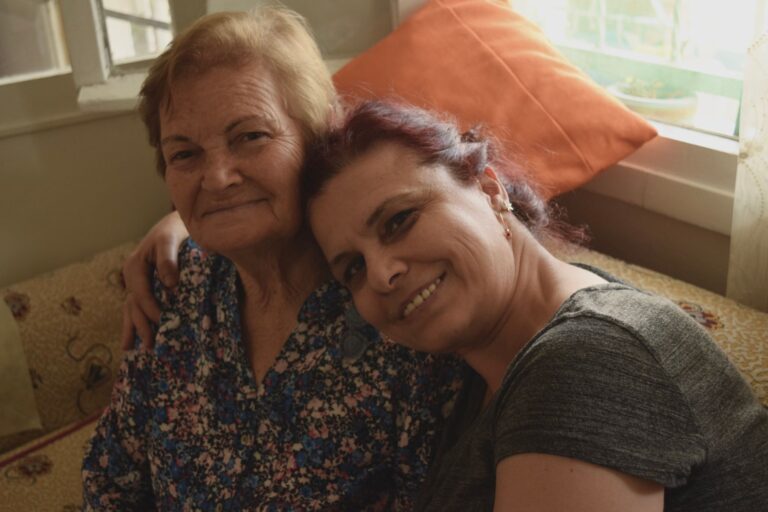
research priorities for home-based dementia care center on independence at home, mobility, simple technology, social connection, and lasting carer support. Working caregivers can check GUIDE program participation, adult-day and in-home respite, Area Agency on Aging options, and round-the-clock support in their community. The GUIDE model is a voluntary eight-year Medicare program that pays dementia programs for coordination and caregiver help. Care navigation means one contact helps arrange services, answer questions, and connect work schedules with care needs.
Medical information disclaimer: This article is for general educational purposes only and does not provide medical advice, diagnosis, or treatment. Always consult a physician or other qualified health professional about symptoms, medications, tests, or treatment decisions.
Table of Contents
- What 2026 research says to protect at home
- Why home support matters for working families
- What to check close to home
- Where to call when time runs short
What 2026 research says to protect at home
Heriot-Watt University reports Scotland's CONSOLIDATE network set five 2026 Grand Challenges after hearing more than 300 people with dementia and carers, described in the Heriot-Watt news release. The challenges are independence at home, mobility, simple stable technology, social connection, and sustainable carer support. For workers, simple stable technology can mean one medication reminder or door sensor that keeps working without updates.
The ARCH National Respite Network summary of the NIA March 17-19 virtual summit names remaining at home as a priority. It also lists economic impacts, scalable community programs, data systems, coordination, and fair diagnosis and treatment. That focus tells employers and communities to measure help by days lived safely at home.
Why home support matters for working families
The USC Schaeffer Center estimates 5.7 million U.S. adults age 51 and older lived with dementia in 2026, supported by 5.2 million care partners, reported in the USC Schaeffer study. Total costs reached $818 billion, driven by quality-of-life losses and unpaid care.
Those losses fall heavily on households that combine jobs with daily supervision, meals, and rides. UCLA Health reports the 2,176-dyad D-CARE trial found higher caregiver satisfaction with health-system and community programs than usual care over 18 months, detailed in the UCLA Health report. Patient thinking, daily function, and caregiver burden did not differ. For workers, satisfaction matters because steady guidance lowers calls, missed shifts, and crisis decisions.
What to check close to home
The Centers for Medicare and Medicaid Services says its voluntary eight-year GUIDE model started July 1, 2024, outlined in the CMS GUIDE fact sheet. It pays participating dementia programs for care navigation, 24/7 support-line access, and caregiver education plus respite.
Federal 2026 priorities point workers to navigators and community partners to find local openings. Ask a care navigator or community partner about these local options: Bring work dates to the call, including shifts, travel, and backup contacts. Ask what each service costs, who provides backup, and how fast help starts.
- GUIDE participation by nearby health systems or community groups
- Adult-day programs with workday hours and transport
- In-home respite for evenings, weekends, or overnight coverage
- Area Agency on Aging referrals for benefits, meals, and rides
Where to call when time runs short
The Alzheimer's Association offers a free helpline at 800-272-3900, open 24 hours a day, 365 days a year. Staff help with care planning, crisis needs, and referrals to respite and local services.
A short call can sort next steps for respite, day programs, and safety checks. Call between shifts with medications, diagnosis, and zip code ready. Save the care plan, support-line number, and respite approval where family and backup helpers can find them.
You Might Also Like
- The 2026 NIA Workshop on Comprehensive Dementia Care Models: What Working Dementia Caregivers Can Check in Their Community
- Home-Based Dementia Care Research Priorities in 2026: A Source-Checked Briefing for Working Dementia Caregivers
- The Long-Term Care Data Cooperative and Dementia Research in 2026: Why the Findings May Not Change Care Yet for Spouses and Partners