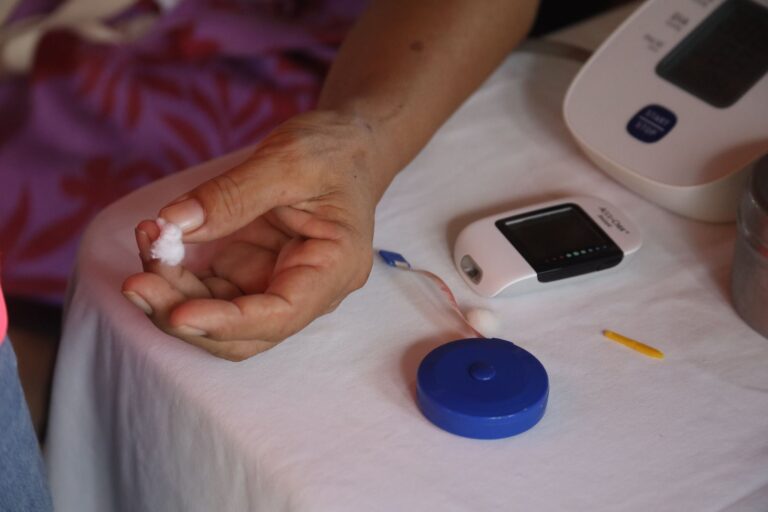
The World Health Organization now classifies high cholesterol as a cardiometabolic condition that, when managed clinically, can lower a person's risk of cognitive decline and dementia. That guidance appears in WHO's second-edition dementia risk-reduction guidelines, published 15–16 July 2026 as the first update to the organization's 2019 recommendations. The update groups high cholesterol with hypertension and diabetes as conditions worth treating specifically because doing so may protect the brain, not just the heart. For adults in midlife, that reframes a routine cholesterol check as part of a longer-term strategy against dementia, though the evidence behind the recommendation is more preliminary than many readers might assume.
Medical information disclaimer: This article is for general educational purposes only and does not provide medical advice, diagnosis, or treatment. Always consult a physician or other qualified health professional about symptoms, medications, tests, or treatment decisions.
Official resources:
- Read the official guidance from Who — Use this primary source to verify the official guidance.
- Read the official guidance from Who — Use this primary source to verify the official guidance.
Table of Contents
- What the Guideline Actually Says About Cholesterol
- Who This Applies To, and Why Midlife Matters
- How Strong Is the Evidence, Really?
- What to Actually Do With This Information
- Where the Limits Are
- Frequently Asked Questions
What the Guideline Actually Says About Cholesterol
WHO's revised guideline, built on expanded systematic reviews and graded using the GRADE method, places high cholesterol alongside hypertension and diabetes in a cluster of cardiometabolic conditions whose clinical management can reduce dementia risk. This is a shift in framing, not a new drug or test: the guideline does not introduce a dementia-specific cholesterol target. Instead, it tells clinicians and health systems that treating cholesterol the way cardiology already recommends has a secondary benefit for brain health.
The guideline sits inside a larger picture. WHO estimates that up to 45% of dementia cases trace back to modifiable risk factors, a list that includes cardiometabolic conditions such as high cholesterol along with tobacco use, physical inactivity, and social isolation. High cholesterol is one contributor among many, not a standalone determinant of dementia risk.
Who This Applies To, and Why Midlife Matters
The guideline uses a life-course approach rather than naming one target age. It applies to adults without dementia, including those with normal cognition and those with mild cognitive impairment, according to WHO's executive summary. In practice, that means the recommendation is relevant well before any symptoms of memory loss appear.
The emphasis on midlife specifically comes from observational research showing that higher LDL cholesterol — the "bad" cholesterol that contributes to arterial plaque — measured in midlife is associated with higher dementia risk decades later, as summarized by the Alzheimer's Drug Discovery Foundation. This is why the guideline frames cholesterol management as something to address in your 40s and 50s rather than waiting until later life. The 2024 Lancet Commission on dementia prevention, whose evidence fed into this update, had already called for detecting and treating high LDL cholesterol starting around age 40 — a benchmark consistent with WHO's midlife framing.
How Strong Is the Evidence, Really?
This is where readers need an accurate expectation. Commentary on the guideline notes that WHO's recommendation to manage high cholesterol in midlife is conditional, graded with low-to-very-low certainty evidence for its direct effect on dementia risk — weaker evidentiary backing than for some other risk factors the guideline addresses.
That certainty rating does not mean the recommendation is wrong; it means the data connecting cholesterol treatment directly to reduced dementia incidence is still thin compared with, say, evidence on physical activity or blood pressure control. The practical consequence is that the guideline supports treating cholesterol as part of standard cardiovascular care rather than prescribing a dementia-specific LDL target or statin regimen. There is no new cholesterol number to hit for your brain specifically — the existing cardiovascular targets your doctor already uses are the ones that count.
What to Actually Do With This Information
The most direct implication is procedural: a standard lipid panel and existing cardiovascular treatment guidelines already cover what WHO is asking for. Steps that align with the guideline:.
- Get cholesterol checked through routine primary care if you're in your 40s or 50s and haven't had it measured recently.
- Treat high LDL cholesterol through standard cardiovascular approaches — diet, exercise, and medication as prescribed — rather than seeking a separate "dementia protocol."
- Address cholesterol alongside blood pressure and blood sugar, not in isolation. WHO frames these conditions together within tailored multidomain interventions — combined action on three or more risk factors at once — because the evidence supports acting on the cluster rather than any single factor alone.
- Skip supplements marketed for brain protection. The same guideline separately advises against vitamin B/E, omega-3, and multivitamin supplementation for dementia prevention absent a diagnosed deficiency. The cholesterol recommendation is about treating a diagnosed cardiometabolic condition, not about adding a pill.
Where the Limits Are
The guideline doesn't claim that lowering cholesterol will prevent dementia in any individual case. It identifies an association found across populations and recommends acting on it through care that's already standard practice for heart health.
No specific statin, LDL cutoff, or treatment duration is tied to a dementia outcome in the guideline itself. For someone already under treatment for high cholesterol, this guidance changes little day to day — it reinforces the value of staying on that treatment rather than introducing a new regimen. For someone who hasn't had cholesterol checked in years, it's a reason to do so sooner, particularly between ages 40 and 65, when the Lancet Commission's evidence and WHO's framing both place the most benefit from early detection.
Frequently Asked Questions
Does WHO recommend a specific LDL target for dementia prevention?
No. The guideline supports standard cardiovascular cholesterol management rather than a dementia-specific target or statin regimen, since the evidence for a direct dementia effect is rated low to very low certainty.
Should I take cholesterol-lowering supplements for brain health?
The guideline advises against vitamin B/E, omega-3, and multivitamin supplementation for dementia prevention unless a deficiency is diagnosed; its cholesterol recommendation concerns treating diagnosed high cholesterol, not supplementing.
At what age should cholesterol be checked with dementia risk in mind?
The 2024 Lancet Commission evidence behind this guideline points to around age 40 as a reasonable point to begin detecting and treating high LDL cholesterol.
You Might Also Like
- Hearing Aids in the 2026 WHO Dementia Guideline: Practical Evidence-Based Steps for Adults in Midlife
- Diabetes in the 2026 WHO Dementia Guideline: Practical Evidence-Based Steps for Adults in Midlife
- Blood Pressure in the 2026 WHO Dementia Guideline: Practical Evidence-Based Steps for Adults in Midlife