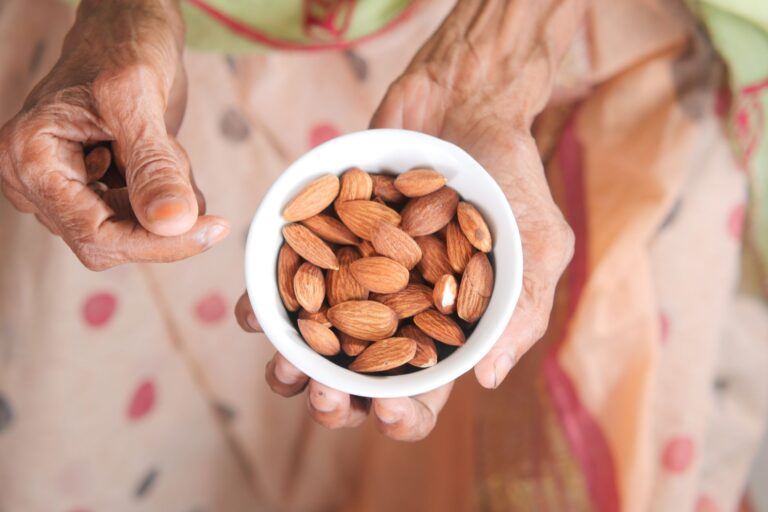
The 2026 WHO dementia guidelines recommend a healthy, balanced dietary pattern to lower cognitive decline risk, not one named diet or supplement. That differs from common online claims that prescribe Mediterranean, MIND, or memory pills for brain protection. The advice applies to adults without dementia, including people with normal thinking and people with mild cognitive impairment, which means early noticeable memory change that does not block daily life. The World Health Organization published the second edition of Risk reduction of cognitive decline and dementia on 15 July 2026, updating the 2019 edition, according to the WHO publication page.
Medical information disclaimer: This article is for general educational purposes only and does not provide medical advice, diagnosis, or treatment. Always consult a physician or other qualified health professional about symptoms, medications, tests, or treatment decisions.
Official resources:
- Read the official guidance from Who — Use this primary source to verify the official guidance.
- Read the official guidance from Who — Use this primary source to verify the official guidance.
Table of Contents
- Who is this diet advice for?
- What eating pattern does WHO recommend?
- Why does WHO warn against memory supplements?
- What should you do alongside diet?
Who is this diet advice for?
It is for adults who do not have dementia. That includes people with normal cognition and people with mild cognitive impairment. It is about lowering future risk, not treating dementia after diagnosis.
Prevention matters because action on modifiable risks across life could prevent or delay up to 45% of dementia risk, according to the WHO news release. The message frames brain health as public-health action. Aging alone does not decide the outcome.
What eating pattern does WHO recommend?
WHO says a healthy, balanced dietary pattern may be recommended to reduce cognitive decline and dementia risk. The advice is conditional with moderate-certainty evidence, according to the Medical News Today report.
That wording is broad on purpose. Reviewers note Mediterranean, DASH, and MIND patterns are linked to better cognitive outcomes, but WHO did not prescribe one named diet. Online posts often go further and present one plan or superfoods as required.
Why does WHO warn against memory supplements?
WHO recommends against routine vitamin B, vitamin E, omega-3 fatty acids, or multivitamin and mineral supplements solely to prevent dementia unless deficiency is diagnosed. The reason is insufficient benefit to outweigh possible harms, according to the New York Post report.
That position conflicts with common marketing that B-vitamins, vitamin E, omega-3s, or multivitamins support memory and healthy aging in people without deficiencies. For readers, the practical line is clear. Do not buy pills for prevention, but still treat a diagnosed deficiency as directed.
What should you do alongside diet?
Think of food as one part of heart-brain care. WHO pairs diet with exercise, no tobacco, limited alcohol, plus weight, blood-pressure, cholesterol, and blood-sugar control. Readers should prioritize overall eating pattern and cardiometabolic care over pills.
Much diet-dementia evidence is observational and the diet advice is conditional. Eating well lowers risk but does not guarantee prevention. Keep regular medical follow-up and ask about blood pressure, cholesterol, diabetes risk, smoking, alcohol, activity, and any suspected nutrient deficiency.