The most common barriers are poor health, chronic pain, low mobility, caregiving demands, low motivation, unsafe surroundings, and little exercise advice. A 2026 brain health plan is a practical weekly routine that fits aerobic activity into daily life to support brain health.
Aerobic exercise means brisk walking, cycling, or swimming that raises heart rate and breathing. The 2024 Lancet Commission lists physical inactivity among 14 modifiable dementia risks. Addressing those risks together could delay or prevent up to 45% of cases, according to the Alzheimer's Association conference summary.
Medical information disclaimer: This article is for general educational purposes only and does not provide medical advice, diagnosis, or treatment. Always consult a physician or other qualified health professional about symptoms, medications, tests, or treatment decisions.
Table of Contents
- When pain, illness, and mobility limit movement
- When caregiving, time, and routine compete
- Why motivation and confidence drop
- How surroundings and medical advice fall short
When pain, illness, and mobility limit movement
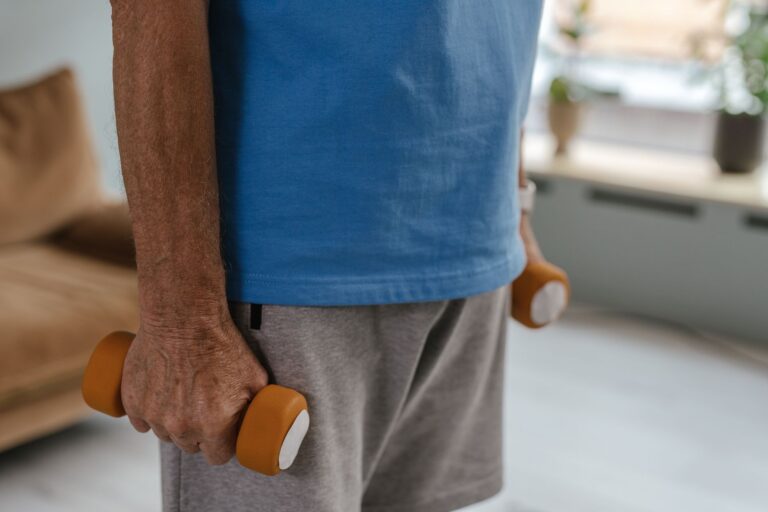
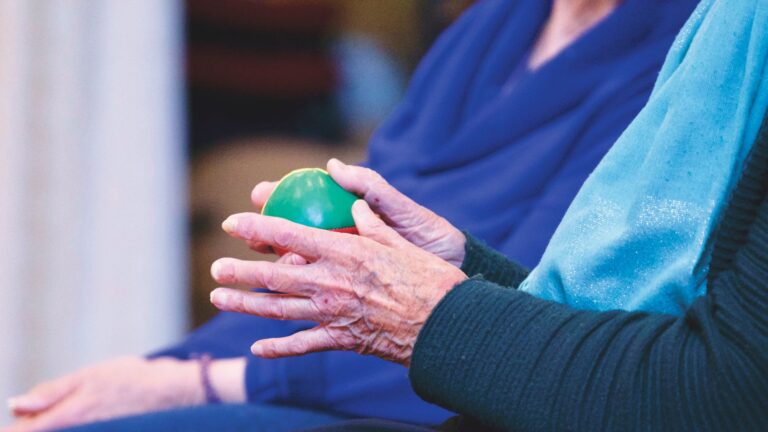
Poor health, chronic pain, reduced mobility, and multiple long-term conditions directly limit aerobic activity after age 50. The 2024 PubMed Central scoping review found most affected adults report more than one overlapping barrier, described in the scoping review of activity barriers. Pain makes walking shorter and recovery longer. Breathlessness, stiff joints, fatigue, and fear of falling shrink choices further.
A plan that ignores these limits fails fast. Start from current ability, not from a standard workout. Short walks, seated marching, water exercise, and split sessions reduce joint load. Ask a clinician to review pain, balance, medications, and safe starting intensity.
When caregiving, time, and routine compete
Caregiving, work, lack of time, and trouble keeping a routine block activity for older women. These pressures are strongest in rural and low-resource settings. Care often comes in unpredictable blocks. Missed days then turn into stopped routines.
Evening fatigue, transport time, and household demands leave little space. A rigid schedule rarely survives. Protect two or three fixed ten-minute windows. Link movement to meals, school drop-off, or a care recipient's nap. Keep backup options at home, such as marching in place, step-ups, or a short walk loop.
Why motivation and confidence drop
Low motivation, low energy, depressive symptoms, and dislike of exercise reduce participation. People with memory problems also face stigma and low belief in their ability to succeed. Effort feels higher when mood is low. Unpleasant past classes, embarrassment, and fear of looking slow add resistance.
Vague goals like get fitter do not sustain action. Clear cues work better. Pick activity that feels acceptable, not punishing. Walk with a friend, use music, choose a flat route, and track completed minutes. Seek prompt care for persistent low mood, sleep loss, or loss of interest.
How surroundings and medical advice fall short
Missing sidewalks, few parks, unsafe streets, transport gaps, and untrained staff keep many older adults with disabilities from participating. Poor lighting, uneven paths, and no benches shorten walks. A gym without accessible equipment sends people home.
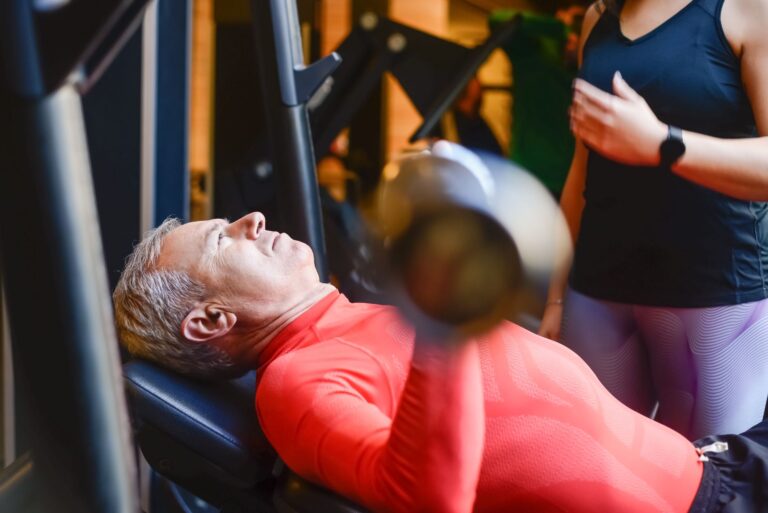
Weak clinical counseling is another gap. CDC data show only about 44% of adults with disabilities who saw a doctor received exercise advice, yet those advised were 82% more likely to be active, reported in the CDC disability and activity release. The World Health Organization recommends at least 150 minutes of moderate aerobic activity weekly for adults 65 and older, noted in the WHO fact sheet on physical activity. Beginners with chronic conditions can build toward it in small steps: Bring a medication list, pain pattern, and fall history to that visit.
- ask for written activity guidance and a physical therapy referral
- map a safe route with sidewalks, rest spots, and daylight
- arrange transport, group walks, or home-based alternatives
- request staff who have training in older-adult and disability fitness