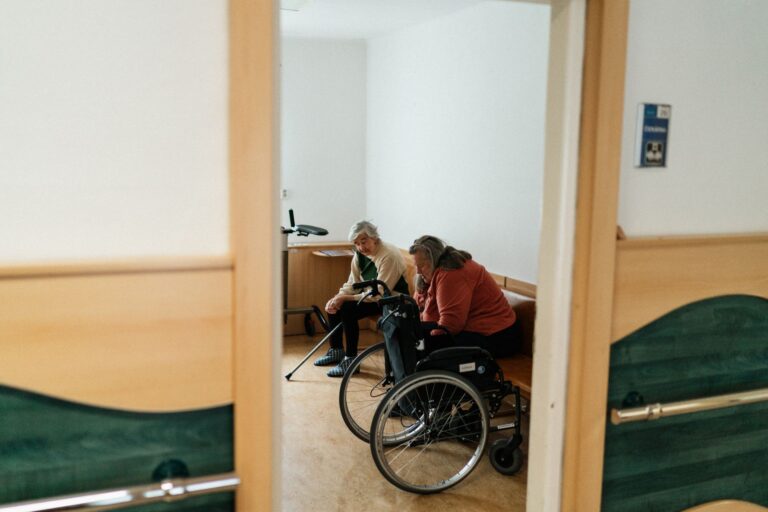
Adults over 65 can build a realistic brain-health plan around a healthy balanced eating pattern for dementia, lasting loss of memory and thinking skills. Mediterranean, DASH and MIND patterns link to better cognitive outcomes, as described by Medical News Today in its July 2026 summary of the guidance.
WHO released the second edition of its risk-reduction guidelines on 15 July 2026, as shown in the guideline publication. WHO says the plan targets adults without dementia, including people with normal thinking or mild cognitive impairment, called MCI. WHO estimates up to 45% of risk could be prevented or delayed by acting on daily habits and medical risks.
Medical information disclaimer: This article is for general educational purposes only and does not provide medical advice, diagnosis, or treatment. Always consult a physician or other qualified health professional about symptoms, medications, tests, or treatment decisions.
Official resources:
- Read the official guidance from Who — Use this primary source to verify the official guidance.
- Read the official guidance from Who — Use this primary source to verify the official guidance.
Table of Contents
- What diet advice covers brain health?
- What does a healthy day of eating look like?
- Should you take vitamins or fish oil?
- What habits help diet protect the brain?
What diet advice covers brain health?
WHO says a healthy balanced dietary pattern may be recommended to reduce cognitive decline and dementia. Cognitive decline means a drop in memory and thinking from a prior level.
Benefits apply at population level, so no eating pattern guarantees prevention for one person. Dementia still affects over 57 million people, with nearly 10 million new cases yearly and no widely available cure, according to UN News.
What does a healthy day of eating look like?
WHO defines a healthy diet in its healthy diet fact sheet as at least 400 g of fruits and vegetables daily. It also calls for total fat below 30% of energy, salt below 5 g daily, and limited free sugars, saturated and trans fats. For adults over 65, that translates into simple, repeatable meals.
Small portions work better than strict rules when appetite or chewing changes. Shop once for a short list and cook in small batches. Freeze single servings and pair meals with routine activity and social time.
- Fill half the plate with vegetables and fruit at lunch and dinner.
- Use beans, lentils, fish, or poultry plus whole grains for main meals.
- Choose water, and limit salty snacks, sweet drinks, and fried foods.
Should you take vitamins or fish oil?
UN News reports WHO advises against one shortcut in its coverage of the guidelines. Adults without deficiency should not take vitamin B, vitamin E, omega-3 or multivitamin pills solely to prevent dementia.
WHO cites insufficient proof of benefit versus harm. Ask a clinician about testing if you suspect low intake or poor absorption. Do not stop prescribed treatment on your own, and put food, activity and health checks first.
What habits help diet protect the brain?
WHO pairs diet with other daily actions. They include regular activity, no tobacco and less alcohol.
They also include control of blood pressure, diabetes, cholesterol and obesity, plus mental training, social contact, hearing aids when needed and cleaner air. WHO estimates up to 45% of dementia risk could be prevented or delayed by acting on habits, medical conditions and surroundings. Use diet as one part of that wider plan, and bring food notes, blood pressure readings and hearing concerns to your next checkup.
You Might Also Like
- Healthy Diets in the 2026 WHO Dementia Guideline: What the Evidence Supports and Does Not Promise for Adults Over 65
- Vitamin Supplements in the 2026 WHO Dementia Guideline: What the Evidence Supports and Does Not Promise for Adults Over 65
- Food Access and Brain Health Research Priorities in 2026: Who Was Studied and Who Was Not for Adults With Memory Concerns