The 2026 WHO dementia guideline advises a healthy, balanced diet for brain health in adults over 65, not single superfoods or pills for prevention. Mediterranean, DASH and MIND patterns fit that advice, while online claims for vitamin B, vitamin E, omega-3 or multivitamins to prevent dementia do not.
Dementia causes steady loss of memory and thinking that harms daily life. The World Health Organization released the second edition of its risk-reduction guidelines on 15 July 2026 the guideline publication. The advice covers adults without dementia, including those with normal thinking or mild cognitive impairment, which means early memory change.
Medical information disclaimer: This article is for general educational purposes only and does not provide medical advice, diagnosis, or treatment. Always consult a physician or other qualified health professional about symptoms, medications, tests, or treatment decisions.
Official resources:
- Read the official guidance from Who — Use this primary source to verify the official guidance.
- Read the official guidance from Who — Use this primary source to verify the official guidance.
Table of Contents
- What counts as a healthy diet?
- Do supplements prevent dementia?
- How do online claims compare?
- What else protects memory after 65?
What counts as a healthy diet?
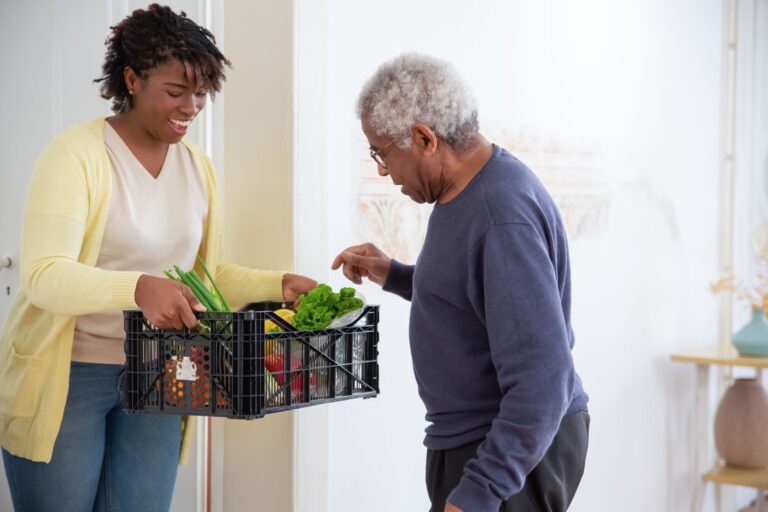
The World Health Organization fact sheet describes a healthy adult diet built on fruits, vegetables, legumes, nuts and whole grains WHO healthy-diet fact sheet. It calls for at least 400g of fruits and vegetables each day. It says to take carbohydrates mainly from whole grains, vegetables, fruits and pulses. Medical News Today reporting the guideline links Mediterranean, DASH and MIND patterns with better thinking outcomes Medical News Today report.
These are whole-diet patterns, not single foods. Their combined effect matters more than any one nutrient. A day can mix apples and greens, lentils or beans, walnuts and brown rice or oats. A snack can be fruit or a small handful of nuts. Each meal can add one more vegetable or pulse.
Do supplements prevent dementia?
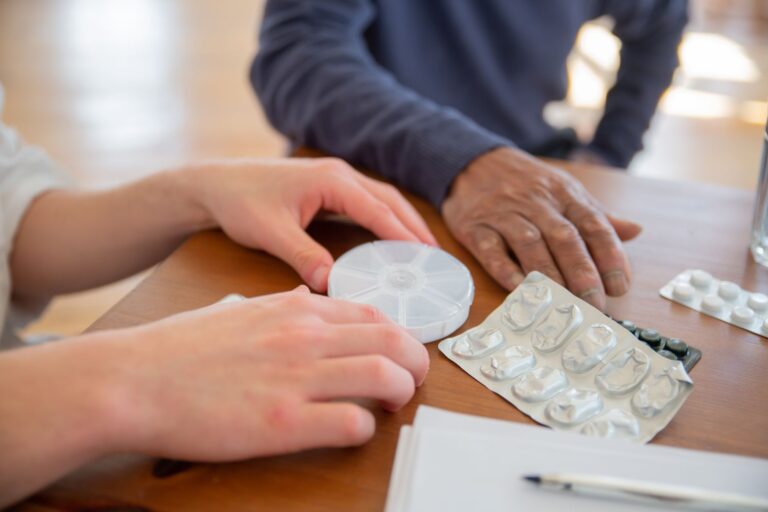
United Nations News reporting WHO guidance advises against vitamin B, vitamin E, omega-3 or multivitamins only to prevent dementia United Nations report. The advice applies without a diagnosed deficiency. Benefits are too small to outweigh possible harms. A deficiency means tests show low levels that need care.
A prevention claim promises protection at normal levels. Those are different decisions. If an ad promises memory rescue from a capsule, it steps outside the guideline. Bring the bottle and your food list to your next clinic visit for review.
How do online claims compare?
Online posts often praise one food or a high-dose pill for memory. The guideline judges whole diets and finds risk links, not cures.
The WHO guideline evidence remains largely observational with low to moderate certainty. Recommendations are conditional, so they show lower or higher risk across groups, not assured prevention for any one person over 65.
- One berry, kale or oil as a dementia shield – guideline credits whole patterns, not one food
- Vitamin B, vitamin E, omega-3 or multivitamin for prevention – guideline advises against use without deficiency
- MIND-style meals with vegetables, legumes, nuts and whole grains – matches guideline direction
What else protects memory after 65?
World Health Organization guidance pairs food with movement, no smoking, limited alcohol and control of blood pressure, blood sugar and cholesterol. It also lists thinking exercises, social time, hearing aids and cleaner air. Pills cannot replace those combined steps.
The World Health Organization estimates up to 45 percent of dementia risk could be delayed or prevented by acting on such factors. It counts 57 million people living with dementia and nearly 10 million new cases each year. Ask your clinic about blood pressure checks, diabetes care, hearing tests and local walks. Put vegetables, pulses and whole grains on half your plate at lunch tomorrow.
You Might Also Like
- Healthy Diets in the 2026 WHO Dementia Guideline: What Adults Over 65 Can Track Without Self-Diagnosing
- Vitamin Supplements in the 2026 WHO Dementia Guideline: What Adults Over 65 Can Track Without Self-Diagnosing
- Dementia With Multiple Etiologies in the 2026 NIA Report: Study Design and Evidence Limits for Adults With Memory Concerns