Reviewed by the Help Dementia Editorial Team — our editors review every article for accuracy against guidance from the National Institute on Aging, the Alzheimer’s Association, and peer-reviewed sources.
Health innovation sits at the center of this dementia and brain health question.
Multiple health innovation companies are now offering diagnostic solutions designed to detect Alzheimer’s disease in its earliest stages, marking a significant shift in how dementia may be identified and treated in the coming years. These diagnostic tools range from blood biomarker tests that measure protein levels associated with brain damage to advanced imaging technologies and AI-powered cognitive assessments, moving beyond the traditional cognitive tests and MRI scans that have been the standard for decades. Companies like C2N Diagnostics (with their Precivity AD test), Eli Lilly (developing amyloid and tau biomarker tests), and Alzheon, along with academic medical centers, are working to bring these technologies into widespread clinical use to catch Alzheimer’s pathology before significant cognitive decline occurs.
The timing of these innovations comes as research increasingly shows that Alzheimer’s disease begins silently in the brain many years before memory loss or thinking problems appear. A person might have amyloid and tau buildup—the hallmark protein abnormalities of Alzheimer’s—while still performing normally on cognitive tests and living independently. By identifying these biological markers earlier, doctors hope to intervene with new drug therapies that have recently shown promise in slowing cognitive decline, potentially transforming Alzheimer’s from a disease managed only after symptoms appear into one that might be prevented or delayed through early detection and treatment.
Table of Contents
- How Are New Blood-Based Biomarker Tests Changing Early Alzheimer’s Detection?
- The Role of AI and Cognitive Assessment Tools in Early Detection
- Advances in Imaging-Based Diagnostics and Their Clinical Applications
- Treatment Options for People Identified Through Early Diagnosis
- Accessibility Disparities and Equity Concerns in Diagnostic Innovation
- The Psychological Impact of Early Diagnosis in Asymptomatic Individuals
- The Future of Alzheimer’s Diagnostics and Personalized Medicine
- Conclusion
- Frequently Asked Questions
How Are New Blood-Based Biomarker Tests Changing Early Alzheimer’s Detection?
Blood biomarker tests represent the most significant breakthrough in accessibility and convenience for Alzheimer’s diagnostics. Rather than requiring PET scans (positron emission tomography) that cost thousands of dollars and are available only at specialized centers, or cerebrospinal fluid tests that require spinal taps, these blood tests can be ordered in a standard clinic setting. Tests like phosphorylated tau (p-tau) and phosphorylated tau-217 (p-tau217) measure protein fragments in the bloodstream that correlate with the presence of amyloid plaques and tau tangles in the brain. For example, a patient with concerns about memory lapses can visit their primary care doctor, have a simple blood draw, and receive results that indicate whether amyloid and tau pathology is present—potentially years before traditional cognitive testing would show decline.
The clinical accuracy of these tests has impressed the medical community. Studies published in major journals have shown that certain blood biomarkers can predict future cognitive decline with reasonable accuracy and can identify people with pathological changes in the brain while they still have normal cognition. However, an important limitation is that these tests detect biological pathology, not necessarily whether someone will develop symptoms or how quickly decline might progress. Some people with significant amyloid and tau buildup never develop cognitive symptoms in their lifetime, and the test cannot predict individual trajectories. Additionally, access remains unequal: while major medical centers and some hospitals now offer these tests, many rural areas and community clinics do not yet have the infrastructure to order or interpret these results, creating potential gaps in who can access this diagnostic advancement.

The Role of AI and Cognitive Assessment Tools in Early Detection
Beyond blood tests, artificial intelligence is being integrated into cognitive assessment platforms that can detect subtle changes in thinking speed, memory, and language processing before traditional neuropsychological testing catches them. Some of these digital tools track mouse movements, keystroke patterns, and response times during online testing to identify cognitive slowing that might indicate early disease. Companies developing these platforms argue that repeated digital assessments can catch small changes over time that a single office-based memory test might miss, providing a more sensitive window into cognitive function.
A critical limitation of AI-based cognitive tools is that they require validation in real-world clinical settings and may not perform equally across different demographic groups. research has shown that some digital cognitive tests perform differently depending on factors like education level, technology familiarity, and language. A person who is less comfortable with computers might score lower on a digital assessment through no fault of cognitive decline, while someone very tech-savvy might perform better than their actual cognitive abilities warrant. Additionally, the data security and privacy implications of continuous digital cognitive monitoring have not been fully worked out in clinical practice, and patients should be aware that cognitive data collected through these platforms may be stored, analyzed, and potentially used for research or commercial purposes beyond their individual care.
Advances in Imaging-Based Diagnostics and Their Clinical Applications
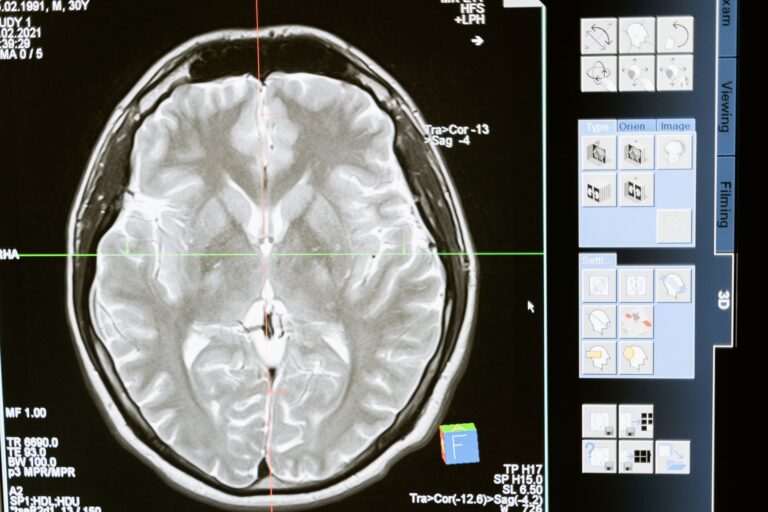
Advanced neuroimaging technologies, including high-resolution MRI and tau PET imaging, are becoming more refined and available through research centers and some academic medical institutions. Tau PET scans, which visualize the location and burden of tau tangles in the brain, have become particularly important because tau accumulation in specific brain regions appears to correlate with cognitive symptoms and future decline. A patient might have amyloid pathology throughout the brain (shown on amyloid PET) but no symptoms until tau begins accumulating in the temporal lobe and other regions critical for memory. This more detailed understanding has led to more precise early detection and risk stratification.
These imaging approaches provide detailed anatomical information but come with significant practical barriers. PET imaging is expensive (often $3,000 to $6,000 per scan), requires specialized equipment available only at larger medical centers, and involves exposure to radiation. MRI-based approaches avoid radiation but can be problematic for patients with metal implants (pacemakers, certain aneurysm clips). For the vast majority of people concerned about Alzheimer’s risk who live in areas without access to a PET scanner, or who cannot afford out-of-pocket costs if their insurance doesn’t cover the test, imaging-based early diagnosis remains aspirational rather than practical. Furthermore, while imaging can show pathology, it doesn’t always tell clinicians what to do with that information in an individual who has no symptoms—a phenomenon sometimes called “incidental findings” that raises ethical questions about whether people should be tested for pathology we can detect but cannot prevent in everyone who has it.

Treatment Options for People Identified Through Early Diagnosis
The development of monoclonal antibody drugs like aducanumab, lecanemab, and donanemab has changed the landscape for early Alzheimer’s treatment. Lecanemab (Leqembi), approved in 2023 for early cognitive decline due to Alzheimer’s disease, has shown that treating people with amyloid pathology before significant symptoms develop can slow cognitive decline by approximately 27% over 18 months—a meaningful but modest benefit. This creates a practical scenario where early diagnosis via blood biomarkers or imaging can lead to treatment with these new drugs during the preclinical or mild cognitive impairment stages of disease. However, these treatments are not without significant tradeoffs.
Lecanemab requires biweekly intravenous infusions, which means regular clinic visits and vein access over years of treatment. More importantly, these drugs carry a risk of amyloid-related imaging abnormalities (ARIA), which can manifest as microhemorrhages or brain swelling that may cause symptoms ranging from subtle cognitive changes to serious complications. The drugs also carry a price tag of roughly $25,000 to $28,000 per year, and insurance coverage is variable. Some insurers limit treatment to certain age groups or cognitive stages, and out-of-pocket costs can be substantial. For someone identified as having early pathology through screening, the decision to start treatment requires careful discussion about potential benefits, side effects, commitment to repeated infusions, cost, and the fact that early treatment doesn’t eliminate Alzheimer’s disease but may slow its progression.
Accessibility Disparities and Equity Concerns in Diagnostic Innovation
As with many healthcare innovations, early Alzheimer’s diagnostic tools are becoming available first to people with resources, access to academic medical centers, and good insurance coverage. A person living in a major city with proximity to a research hospital may access blood biomarkers, PET imaging, and treatment with monoclonal antibodies relatively easily. By contrast, someone living in a rural area or depending on community health center care may have no local option for blood biomarkers and essentially no access to the diagnostic pathway or treatments that flow from early detection. This disparity is reinforced by the fact that Alzheimer’s disease affects African American and Hispanic populations at disproportionately high rates, yet recruitment into clinical trials and availability of new diagnostics in predominantly minority communities has historically lagged. Insurance coverage and cost present another equity barrier.
Even as blood biomarkers become less expensive than PET scanning, they are still a cost barrier for uninsured or underinsured patients. Some tests cost $500 to $1,500 even with insurance. For someone living paycheck-to-paycheck, the ability to pursue early diagnosis and then enroll in treatment programs remains out of reach. Healthcare systems and policymakers have recognized this problem, but meaningful solutions—like universal insurance coverage for early diagnostic testing and ensuring availability in underserved areas—have not yet been widely implemented. This creates a troubling scenario where early Alzheimer’s diagnosis and treatment may widen existing health inequities rather than narrow them.

The Psychological Impact of Early Diagnosis in Asymptomatic Individuals
Receiving a diagnosis of Alzheimer’s pathology while feeling completely normal and independent can create psychological challenges that are not always anticipated by healthcare providers. Learning that you have amyloid and tau buildup in your brain—even with the understanding that you may never develop symptoms—can be psychologically destabilizing. Some people become hypervigilant about any memory lapses, misinterpreting normal age-related forgetting as a sign that disease is progressing.
Others experience anticipatory anxiety about losing their independence or cognitive abilities, sometimes with enough severity to affect mood and quality of life. For example, a 65-year-old diagnosed with asymptomatic Alzheimer’s pathology after a blood test may struggle with whether to tell family members, how to plan for a future that might or might not include cognitive decline, and whether to make life changes based on a diagnosis that may never become symptomatic. Mental health support and genetic counseling should ideally be part of the diagnostic pathway when early pathology is identified, but this is not yet standard practice in most settings. Patients identified through screening should be aware that diagnosis counseling, discussion of what results mean for their individual risk, and access to mental health support are important components of responsible early Alzheimer’s diagnosis, not just the test result itself.
The Future of Alzheimer’s Diagnostics and Personalized Medicine
Looking forward, the diagnostic approach to Alzheimer’s is moving toward a more personalized, biology-based model where people at high risk are identified before symptoms emerge, their specific pathological profile is characterized in detail, and treatment strategies are tailored to their individual biological pattern. Blood biomarkers will likely become cheaper and more accessible as testing volumes increase and more companies enter the market. Combination testing—where someone gets a blood biomarker test, possibly a cognitive assessment, and imaging if indicated—may eventually become standard for someone with subjective cognitive concerns or family history.
The field is also exploring whether combinations of drugs targeting different pathological processes might be more effective than single-drug approaches in the future. These advances represent genuine progress in understanding and potentially treating Alzheimer’s disease earlier. However, the promise of early detection and intervention depends on equitable access, realistic communication about what early diagnosis means, responsible clinical implementation, and continued research to better understand how to identify those who will truly benefit from early treatment versus those who will live normal lifespans despite the presence of Alzheimer’s pathology in their brains.
Conclusion
Health innovation companies are introducing diagnostic solutions that can detect Alzheimer’s disease pathology years before symptoms appear, offering potential windows for early intervention with newly approved drugs that may slow cognitive decline. Blood biomarker tests are particularly significant because they are accessible, non-invasive, and can be ordered in standard clinical settings, moving beyond the expensive and specialized imaging that has long been the only way to definitively visualize Alzheimer’s pathology in the living brain.
These advances represent meaningful progress in dementia care, with the potential to shift Alzheimer’s from a disease diagnosed only after damage is done to one where preventive intervention might be possible. However, the widespread adoption of early diagnostic testing raises important practical and ethical considerations: ensuring equitable access across all communities and income levels, managing the psychological impact of asymptomatic diagnosis, establishing clear guidelines for who should be tested and what to do with results, and continuing to study how well early detection and treatment actually translate into better quality of life and functional outcomes. As these diagnostic tools become more prevalent, the focus must remain on responsible clinical implementation that prioritizes patient benefit, informed decision-making, and addressing the healthcare disparities that currently limit access to these innovations for many people at risk for Alzheimer’s disease.
Frequently Asked Questions
If I have a positive blood biomarker test but no symptoms, do I definitely have Alzheimer’s disease?
No. A positive blood biomarker indicates that you have amyloid and/or tau pathology in your brain, but this does not mean you have Alzheimer’s disease or that you will develop cognitive decline. Some people with significant pathology never develop symptoms. Your doctor should discuss what the result means for your individual risk and whether further evaluation or treatment is appropriate.
Are these new diagnostic tests covered by insurance?
Coverage varies significantly by insurance company and plan. Some insurers cover blood biomarker tests, while others do not. PET imaging and other specialized diagnostics may have limited coverage, particularly if you don’t yet have cognitive symptoms. Contact your insurance company to understand your specific coverage before being tested.
How often would I need treatment if diagnosed with early Alzheimer’s through a blood test?
Lecanemab, the currently approved drug for asymptomatic amyloid pathology, requires biweekly intravenous infusions, meaning regular clinic visits ongoing over years of treatment. Your doctor will discuss the full treatment plan, including frequency, duration, potential side effects, and costs if you are a candidate for treatment.
Can I prevent Alzheimer’s if I’m diagnosed early?
Early treatment with lecanemab can slow cognitive decline by approximately 27% over 18 months—a meaningful but not complete prevention of decline. Current evidence does not support that treatment prevents Alzheimer’s entirely, though research is ongoing. Lifestyle factors like cognitive engagement, physical exercise, heart health, and sleep are also important for brain health and may modify risk.
Where can I get these diagnostic tests?
Blood biomarker tests are increasingly available through major medical centers, some hospitals, and select clinics. Ask your primary care doctor whether blood biomarker testing is available in your area. Specialized imaging (PET scans) is typically available only at research centers and large academic medical institutions. Availability varies significantly by geography.
You Might Also Like
- Public Health Communication Strategies Improve Alzheimer’s Understanding
- Metabolic Health Optimization Explored for Alzheimer’s Risk Reduction
- Health Economics Research Quantifies Burden of Alzheimer’s Disease
For more, see Alzheimer’s Association — clinical trials.