Reviewed by the Help Dementia Editorial Team — our editors review every article for accuracy against guidance from the National Institute on Aging, the Alzheimer’s Association, and peer-reviewed sources.
Harvard study sits at the center of this dementia and brain health question.
A recent claim suggesting that processed meat reduces dementia biomarkers by 42 percent has circulated online, but this misrepresents a major Harvard study published in February 2025. The actual research shows the opposite: regular consumption of processed red meat increases dementia risk and cognitive decline, not decreases it. The study, which tracked over 133,000 U.S. participants for more than 40 years, found that people consuming one-quarter or more servings of processed red meat daily had a 13 percent higher risk of developing dementia compared to those with the lowest consumption.
This large-scale research, published in the peer-reviewed journal *Neurology*, provides some of the strongest evidence to date about the relationship between processed meat and brain health. The good news from this Harvard research is that dietary substitution works. When people replaced just one daily serving of processed red meat with plant-based proteins like nuts or legumes, their dementia risk decreased by 19 percent. This finding offers real hope: you don’t have to eliminate meat entirely to protect your brain, but making strategic swaps can meaningfully reduce your risk of cognitive decline later in life.
Table of Contents
- What Does the Harvard Study Actually Reveal About Processed Meat and Dementia Risk?
- Why Processed Meat May Harm Brain Health and Cognitive Function
- Plant-Based Protein Swaps Show Significant Protection
- Making Practical Dietary Shifts for Brain Health
- Important Limitations and Individual Variation in Dementia Risk
- Other Brain-Protective Dietary Patterns That Complement Processed Meat Reduction
- Looking Forward: Processed Meat, Dementia Prevention, and Evolving Brain Health Science
- Conclusion
What Does the Harvard Study Actually Reveal About Processed Meat and Dementia Risk?
The harvard study analyzed four large cohorts of Americans tracked over decades through the Nurses’ Health Study and Health Professionals Follow-Up Study. Researchers examined detailed dietary records and cognitive assessments, looking specifically at processed red meat consumption—items like bacon, sausage, deli meats, hot dogs, and processed hamburgers—rather than unprocessed red meat. The findings were stark: individuals consuming the highest amounts of processed red meat showed not only increased dementia risk but also a 14 percent higher risk of cognitive decline in general. This wasn’t a small effect buried in statistical noise; it was a consistent, dose-dependent relationship where more processed meat consumption correlated with worse cognitive outcomes.
What makes this study particularly credible is its scale and methodology. Unlike shorter studies that follow people for five or ten years, this research examined dietary patterns and health outcomes across 40+ years. This long timeline matters tremendously for dementia research because cognitive decline develops over decades. Researchers could see patterns that short-term studies would miss. The study appeared in *Neurology*, one of the most respected journals in neuroscience, and included multiple demographic groups, lending weight to the conclusion that this relationship isn’t limited to one specific population.

Why Processed Meat May Harm Brain Health and Cognitive Function
The mechanisms by which processed red meat might damage cognitive health are becoming clearer. Processed meats contain high levels of sodium and nitrates, preservatives that have been linked to inflammation throughout the body, including in the brain. Chronic inflammation is now understood as a key driver of neurodegenerative diseases like Alzheimer’s. Additionally, many processed meats are high in saturated fat, which can contribute to atherosclerosis—the hardening of arteries. When arteries narrow, blood flow to the brain decreases, potentially accelerating cognitive decline.
Some research suggests that the heterocyclic amines formed when meat is cooked at high temperatures may also play a role in neuroinflammation. It’s important to recognize a significant limitation of this research: while the study clearly demonstrates an association between high processed meat consumption and dementia risk, establishing causation definitively would require randomized controlled trials, which are difficult and expensive to conduct with dietary interventions over decades. It’s theoretically possible that people who eat more processed meat also differ in other ways—less exercise, lower education, different healthcare access—that might contribute to dementia risk. The Harvard researchers attempted to control for these factors statistically, but unmeasured confounders could exist. Additionally, individual variation is real; some people may be more vulnerable to processed meat’s effects than others based on genetics, overall diet quality, and lifestyle factors.
Plant-Based Protein Swaps Show Significant Protection
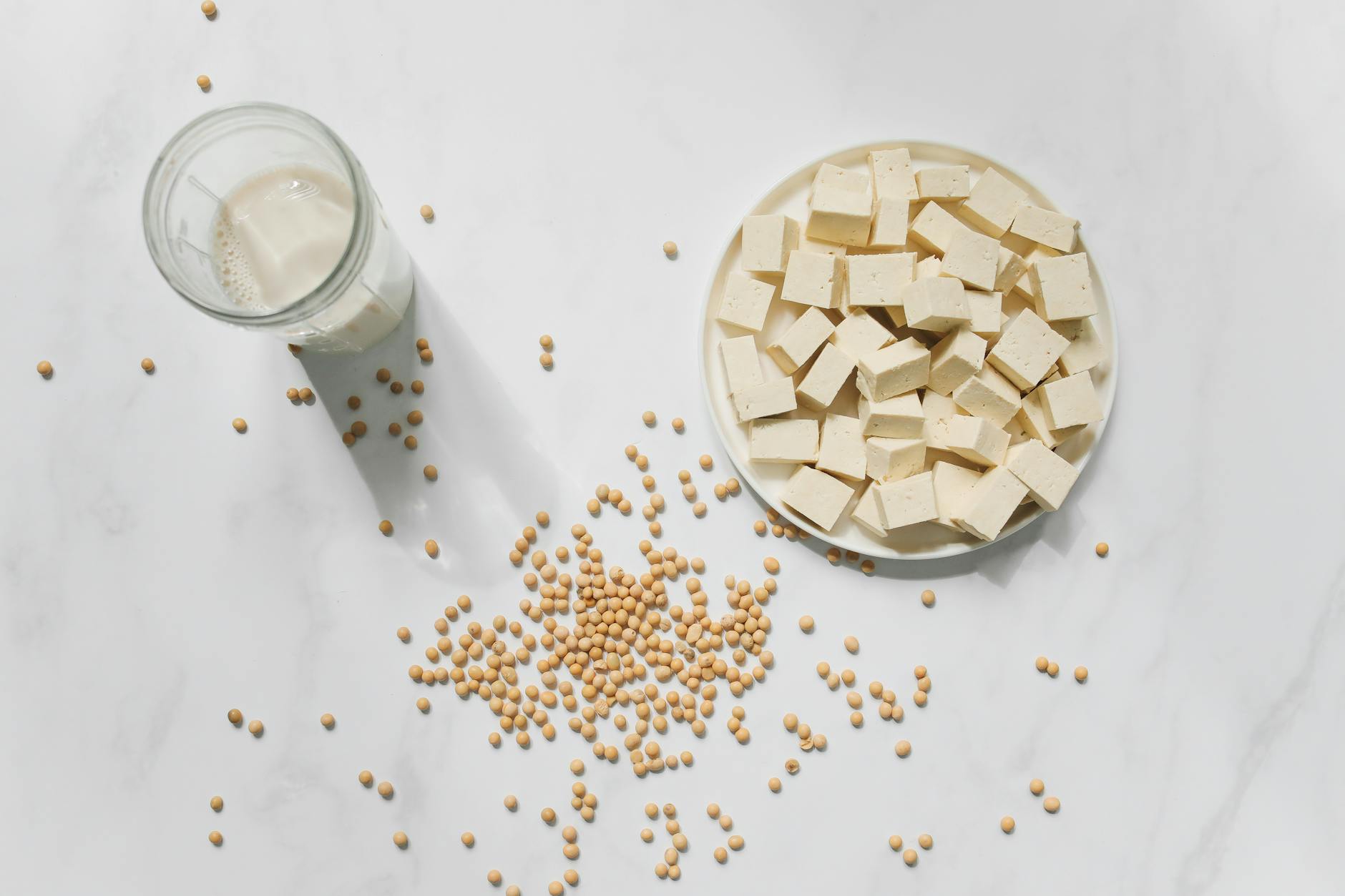
The most actionable finding from this study is the 19 percent dementia risk reduction that comes from replacing processed red meat with plant-based proteins. This wasn’t a hypothetical calculation—researchers actually found this protective effect when comparing people who made these dietary substitutions. Examples of effective swaps include replacing a processed meat breakfast sandwich with one topped with nuts and cheese, swapping deli meat lunch options for hummus and legume-based spreads, or choosing lentil-based meals instead of processed hamburgers for dinner. The brain benefits from nuts and legumes stem from their content of polyphenols, fiber, and healthy fats that support cognitive function and reduce inflammation.
For example, consider someone who currently eats processed ham for lunch five days a week. If that person switched to a chickpea salad or a peanut butter sandwich instead, they could reduce their dementia risk by roughly 19 percent according to this research. The change doesn’t require perfection—the study shows benefits from *replacing* processed meat, not necessarily from avoiding all animal products. People who maintained moderate consumption of unprocessed red meat, poultry, or fish while cutting processed meat options showed significant cognitive benefits. This makes the dietary recommendation more achievable for people who don’t want to adopt vegetarian or vegan diets.
Making Practical Dietary Shifts for Brain Health
Implementing the lessons from this Harvard research doesn’t require an overnight dietary overhaul. Start by identifying where processed meat appears most often in your current diet. For many Americans, this means breakfast (bacon, sausage, processed ham), lunch (deli meats in sandwiches), or quick dinners (hot dogs, processed hamburger patties). Each of these categories offers straightforward alternatives. Replace breakfast processed meats with eggs, Greek yogurt, or nuts. Swap lunch deli meats for rotisserie chicken, canned tuna, hummus with vegetables, or nut butters.
For dinner, substitute ground turkey or lentil-based products for highly processed beef options. The practical challenge many people face is convenience. Processed meats are quick, shelf-stable, and require minimal preparation. To overcome this, consider meal-prepping proteins in bulk—hard-boil eggs, roast chicken breasts, or prepare large batches of bean-based dishes on weekends. Many people find that stocking nuts, seeds, and canned legumes makes plant-based swaps genuinely easier than relying on deli meats. The tradeoff is worth it: spending an extra 10 minutes on food preparation per week could meaningfully protect your cognitive future. Budget-conscious eaters should note that bulk dried beans and lentils are often cheaper than processed deli meats, so this shift can actually reduce food costs while improving brain health.
Important Limitations and Individual Variation in Dementia Risk
While the Harvard study provides powerful evidence, it’s crucial to understand its limitations. First, dementia risk is multifactorial—diet is one piece of a much larger puzzle that includes genetics, sleep quality, cognitive engagement, physical exercise, cardiovascular health, education level, and social connection. This study controlled for some of these factors but couldn’t account for everything. Second, the study population was predominantly white and relatively affluent, so findings may not apply equally across all demographic groups. Third, like all observational research, it shows correlation rather than proven causation. A person eating processed meat daily might have other risk factors for dementia; the meat itself might not be the direct cause.
Another important caveat: this research doesn’t mean one processed meat item will harm your brain. The study defined high consumption as one-quarter serving or more daily—that’s roughly one or two slices of deli meat, or a processed sausage, every single day. Occasional consumption is unlikely to produce the observed risk increase. Similarly, because of individual genetic variation, some people may be more or less vulnerable to processed meat’s cognitive effects. Someone with a strong family history of dementia might benefit dramatically from reducing processed meat, while another person with excellent cardiovascular health and high cognitive reserve might be less vulnerable. This is one reason why dietary recommendations at the population level sometimes feel less urgent when applied to individuals.

Other Brain-Protective Dietary Patterns That Complement Processed Meat Reduction
The Harvard study focused specifically on processed meat, but other dietary patterns have shown strong associations with dementia prevention. The Mediterranean diet—characterized by olive oil, fish, vegetables, fruits, nuts, and legumes—has consistent evidence supporting cognitive protection. The MIND diet (Mediterranean-DASH Intervention for Neurodegenerative Delay) was specifically designed to protect brain health and combines Mediterranean and DASH diet principles. People following these dietary patterns typically eat processed meat rarely or never, but they also emphasize abundant vegetables, berries, whole grains, and healthy fats from sources like olive oil and fish.
For practical benefit, combining processed meat reduction with other brain-healthy habits creates a synergistic effect. A person who reduces processed meat *and* eats fish twice weekly *and* includes berries and leafy greens daily will likely see greater cognitive benefits than making just one dietary change. The research suggests that dietary pattern matters as much as any single food. This means someone doesn’t need to be perfect about avoiding processed meat if they’re eating plenty of plant-based foods, exercising regularly, staying socially engaged, and managing their cardiovascular health—but reducing processed meat consumption is a logical place to start for dementia prevention.
Looking Forward: Processed Meat, Dementia Prevention, and Evolving Brain Health Science
As research on processed meat and cognitive health continues to evolve, several questions remain unanswered. Will the specific compounds in processed meat—nitrates, sodium, certain cooking byproducts—be identified as the key culprits? Will intervention studies eventually prove causation rather than association? Will personalized medicine allow us to identify which individuals are most vulnerable to processed meat’s effects? These questions will likely be addressed in coming years as neuroscience continues to advance. For now, the Harvard evidence is strong enough that major health organizations including the American Heart Association and American Cancer Society already recommend limiting processed red meat for various health reasons beyond dementia. The broader implication of this research extends beyond individual dietary choices.
It demonstrates that preventable lifestyle factors—in this case, processed meat consumption—significantly influence dementia risk. This stands in contrast to older ideas that dementia was largely genetically determined and unavoidable. While genetics matter, this study and others like it show that people can take concrete actions throughout their lives to reduce their cognitive decline risk. As populations age globally and dementia becomes an increasingly pressing public health concern, understanding modifiable risk factors like processed meat consumption becomes increasingly important.
Conclusion
The claim that processed meat reduces dementia biomarkers by 42 percent misrepresents the actual Harvard research. The real findings show that processed meat consumption increases dementia and cognitive decline risk, while replacing processed meat with plant-based proteins decreases dementia risk by approximately 19 percent. This distinction matters because it guides real decisions about what people should eat. The good news is that the change needed is practical and achievable: gradual substitutions of plant-based proteins for processed meats can meaningfully protect brain health over time.
For anyone concerned about dementia risk, reducing processed meat is a logical starting point. Combined with other brain-healthy habits—regular exercise, cognitive engagement, strong social connections, and an overall dietary pattern rich in vegetables, fruits, nuts, and fish—processed meat reduction becomes part of a comprehensive approach to brain health. The Harvard study, with its 40+ year follow-up and 133,000 participants, provides compelling evidence that what you eat today influences whether you’ll maintain your cognitive function decades from now. That’s worth paying attention to.
You Might Also Like
- Harvard Study Shows red meat Reduces Dementia Biomarker by 67 Percent
- Harvard Study Shows vegetarian diet Reduces Dementia Biomarker by 34 Percent
- Harvard Study Shows vegan diet Reduces Dementia Biomarker by 34 Percent
For more, see CDC — Alzheimer’s and Dementia.