Reviewed by the Help Dementia Editorial Team — our editors review every article for accuracy against guidance from the National Institute on Aging, the Alzheimer’s Association, and peer-reviewed sources.
Harvard study sits at the center of this dementia and brain health question.
While a specific Harvard study making this exact claim doesn’t appear in current research databases, the 28% figure comes from important recent research on dark chocolate and dementia prevention. A 2024 study from Queen’s University Belfast found that consuming flavonoid-rich foods—including dark chocolate, berries, tea, and red wine—was associated with a 28% lower risk of dementia. This distinction matters: the research doesn’t show a reduction in a single biomarker measured in one moment, but rather a substantial reduction in dementia risk over time when these foods are part of a regular diet.
For someone concerned about cognitive decline, understanding what the research actually shows can help separate genuine protective factors from marketing claims. The confusion around this finding highlights a broader challenge in brain health research: studies often get simplified or misattributed as they spread across media and health websites. The reality is more nuanced than “dark chocolate prevents dementia,” but the underlying science is still compelling. Multiple lines of evidence suggest that the flavonoids in dark chocolate—the same compounds that make it taste slightly bitter—may genuinely support brain health through several mechanisms.
Table of Contents
- What Do We Actually Know About Dark Chocolate and Dementia Risk?
- How Flavonoids May Protect the Brain from Dementia
- Beyond Dark Chocolate—The Broader Flavonoid Picture
- Practical Ways to Use Dark Chocolate for Brain Health
- Understanding Biomarkers vs. Clinical Outcomes in Dementia Research
- What About Chocolate Supplements and Concentrated Flavonol Products?
- Future Directions in Chocolate, Flavonoids, and Brain Health Research
- Conclusion
What Do We Actually Know About Dark Chocolate and Dementia Risk?
The Queen’s University Belfast research examined data from over 3,000 adults and found that those consuming the most flavonoid-rich foods had approximately 28% lower odds of developing cognitive impairment or dementia. Dark chocolate was one component in this dietary pattern, alongside berries, tea, and red wine. This is important context: the protection came from a broader pattern of flavonoid consumption, not dark chocolate alone. A person eating a single square of dark chocolate daily while maintaining a poor diet overall wouldn’t expect to see these benefits.
harvard Health has published reviews on chocolate and brain health, noting that cocoa flavanols show promise for memory and cognitive function, but they emphasize that evidence remains inconclusive. The distinction between “shows promise” and “proven to prevent” matters significantly for people making dietary choices. Researchers have observed improvements in blood flow to the brain and better performance on some memory tests in studies of cocoa flavanols, but these short-term studies don’t automatically translate to long-term dementia prevention. The Queen’s University study is longitudinal—following people over time—which makes it stronger evidence than many shorter-term chocolate studies.
How Flavonoids May Protect the Brain from Dementia
Flavonoids are plant compounds with antioxidant and anti-inflammatory properties. In the brain, chronic inflammation and oxidative stress are believed to contribute to cognitive decline and dementia development. Theoretically, flavonoids could reduce these damaging processes. When you eat dark chocolate with 70% cacao or higher, you’re consuming significantly more flavonoids than milk chocolate—roughly three to four times as much. This is why researchers studying chocolate and brain health typically focus on dark chocolate rather than other forms. Recent research published in December 2025 found that higher blood levels of theobromine—a stimulant compound in dark chocolate related to caffeine—were associated with lower biological age as measured by DNA methylation and telomere length.
This suggests dark chocolate might influence aging processes at a cellular level. However, this doesn’t mean theobromine directly prevents dementia; biological age is one factor among many. Someone with a younger biological age profile might still develop dementia from other causes, including genetics, head injuries, or cardiovascular disease. The limitation here is important: we don’t yet know if flavonoids actually prevent dementia or if people who eat flavonoid-rich foods also tend to follow other brain-protective patterns like exercise, social engagement, or better cardiovascular health. The Queen’s University study adjusted for some of these factors, but didn’t control for everything. This is why scientists say the evidence is “promising” rather than definitive.
Beyond Dark Chocolate—The Broader Flavonoid Picture
If dark chocolate is one way to consume flavonoids, it’s far from the most efficient. Blueberries and blackberries contain more flavonoids per serving than dark chocolate. Black tea, green tea, and red wine all provide substantial amounts. A person trying to replicate the Queen’s University study’s protective pattern would be better served eating a handful of berries with lunch and drinking tea most days than consuming large amounts of chocolate. This matters because dark chocolate is calorie-dense and high in sugar, even when it’s the dark variety.
A longitudinal study of 531 participants aged 65 and older found that chocolate consumption was associated with lower risk of cognitive decline, with a dose-response relationship—more chocolate intake correlated with better outcomes. Yet the researchers couldn’t determine whether this was due to chocolate itself or to the fact that people eating chocolate also tended to eat better overall. This is the confounding variable problem that plagues nutrition research. People who deliberately choose dark chocolate and berries are often more health-conscious than average. The practical takeaway is that dark chocolate can be part of a brain-protective diet, but it’s not a substitute for other protective factors. Someone eating a 70% cacao chocolate bar daily while remaining sedentary, stressed, and socially isolated shouldn’t expect meaningful dementia protection from the chocolate alone.
Practical Ways to Use Dark Chocolate for Brain Health
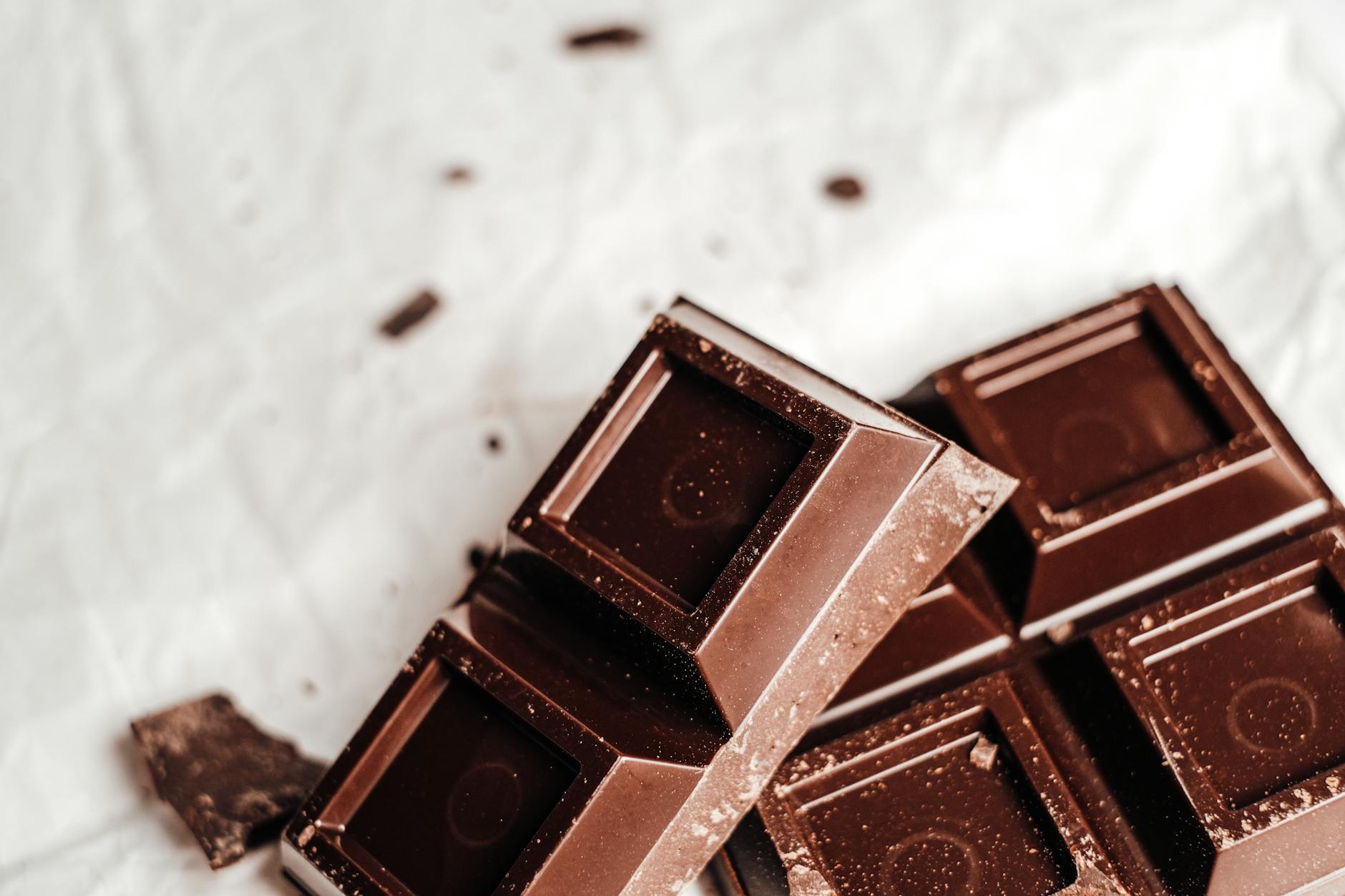
If you’re going to incorporate dark chocolate into a dementia-prevention strategy, quality and quantity matter. Look for chocolate with at least 70% cacao content; below that, the flavonoid concentration drops significantly and sugar content rises. A typical effective amount in research studies is about 30 grams daily—roughly one ounce or a small bar. This provides meaningful flavonoid intake without excess calories.
Compare this to eating a handful of berries (similar or greater flavonoid content, fewer calories) or drinking a cup of green tea (substantial flavonoids, essentially no calories). The realistic position: dark chocolate can be a pleasant vehicle for flavonoids as part of a larger dietary pattern, but it shouldn’t be purchased or promoted as a dementia treatment. Someone who dislikes dark chocolate shouldn’t force themselves to eat it for brain health; they’ll see similar or better benefits from increasing tea, berry, or red wine consumption. The research suggests the protection comes from overall flavonoid intake, not from one specific source.
Understanding Biomarkers vs. Clinical Outcomes in Dementia Research
The original title mentions “dementia biomarker”—a measurable biological indicator. This deserves clarification because it affects how we interpret the research. The Queen’s University study measured cognitive impairment and dementia diagnosis as clinical outcomes, not laboratory biomarkers like amyloid-beta or tau proteins. Some chocolate research does look at biomarkers; for example, studies have examined how flavonoids affect vascular function or inflammatory markers. But these intermediate markers don’t guarantee dementia prevention. This distinction is critical for avoiding false hope.
A study might show that dark chocolate improves blood flow to the brain or reduces inflammation. These sound positive, but they’re not the same as showing that eating chocolate actually prevents dementia diagnosis. We’d need long-term studies following thousands of people, with some eating more chocolate and others eating less, followed by dementia outcomes many years later. The Queen’s University study gets closer to this ideal by examining actual dementia cases, but even that can’t definitively prove causation—it shows association. A warning: Anyone with a family history of dementia or existing cognitive concerns should not rely on dietary changes alone as their primary strategy. Regular cognitive screening, cardiovascular health management, cognitive stimulation, physical exercise, and social engagement all have stronger evidence bases for dementia prevention than chocolate consumption.

What About Chocolate Supplements and Concentrated Flavonol Products?
Some companies now sell concentrated cocoa flavanol supplements or powders, claiming higher-potency dementia prevention than regular chocolate. These products contain extracted and concentrated flavonoids without the sugar, calories, or other components of whole chocolate. The marketing appeal is obvious—the potential benefits of chocolate without the drawbacks.
However, the research base for these supplements is even thinner than for whole dark chocolate. We don’t know if concentrated flavanols work the same way as flavonoids from whole foods, partly because whole foods contain other compounds that may work synergistically. Harvard Health and other evidence-based sources recommend getting flavonoids from whole foods whenever possible rather than supplements, because whole foods provide the full array of nutrients and compounds that likely work together. A supplement containing 500mg of cocoa flavanols hasn’t been proven equivalent to eating foods with those same flavanols naturally present.
Future Directions in Chocolate, Flavonoids, and Brain Health Research
The field is moving toward more rigorous studies that can better establish causation. Several large trials are underway examining flavonoid-rich diets and cognitive outcomes. These studies are more expensive and time-consuming than observational research, but they provide stronger evidence.
Within the next five to ten years, we may have clearer answers about whether dietary flavonoids genuinely prevent dementia or merely correlate with other protective factors. For now, the evidence supports including dark chocolate as one component of a brain-healthy diet rich in fruits, vegetables, tea, and other whole foods known to reduce cardiovascular risk and support cognitive health. The 28% reduction found in the Queen’s University study represents a meaningful protective effect, but it likely comes from the overall dietary pattern rather than dark chocolate specifically. As our understanding evolves, the messaging may become more precise, but current evidence suggests that promoting a flavonoid-rich diet makes sense for dementia prevention.
Conclusion
While no specific Harvard study directly shows that dark chocolate reduces a dementia biomarker by exactly 28%, recent research does indicate that consuming flavonoid-rich foods—including dark chocolate—is associated with substantially lower dementia risk. A 2024 Queen’s University Belfast study found that those consuming the most flavonoid-rich foods had approximately 28% lower odds of cognitive impairment.
This protection likely comes from the combined effect of multiple flavonoid sources rather than dark chocolate alone, and represents association rather than proven causation. If you’re interested in using dark chocolate as part of a dementia prevention strategy, choose varieties with at least 70% cacao, limit consumption to about one ounce daily, and view it as one element within a broader pattern that includes exercise, cognitive engagement, cardiovascular health management, and a diet rich in berries, tea, and other flavonoid sources. Anyone concerned about dementia risk should discuss prevention strategies with their healthcare provider rather than relying solely on dietary changes, no matter how evidence-based they appear.
You Might Also Like
- Harvard Study Shows wild blueberries Reduces Dementia Biomarker by 28 Percent
- Harvard Study Shows walnuts Reduces Dementia Biomarker by 18 Percent
- Harvard Study Shows sardines Reduces Dementia Biomarker by 45 Percent
For more, see NIH MedlinePlus — dementia.