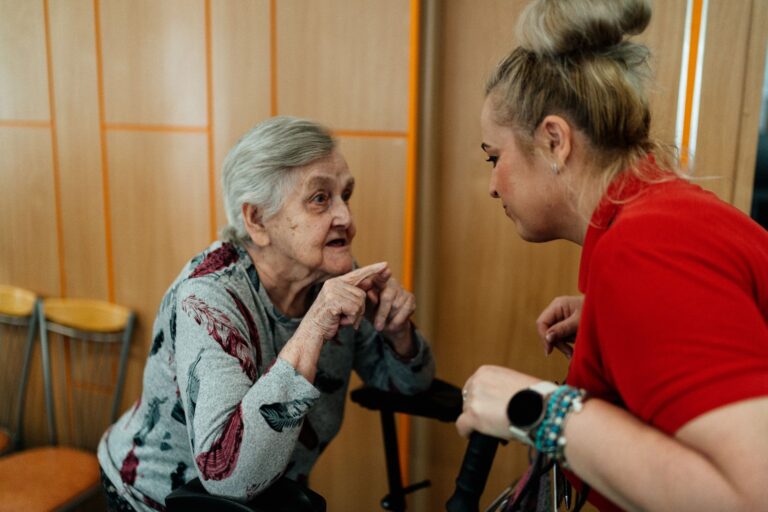
Getting nursing home staff to notice what you notice means putting your observation into the home's care-plan and complaint systems in clear, specific terms. A care plan is the written plan that guides daily care for your family member. You notice small shifts because you know the person. Staff can act faster when you give the time, place, and change you saw.
Medical information disclaimer: This article is for general educational purposes only and does not provide medical advice, diagnosis, or treatment. Always consult a physician or other qualified health professional about symptoms, medications, tests, or treatment decisions.
Table of Contents
- Start with the care plan
- Make your observation easy to act on
- Use the formal grievance process if daily talk fails
- Join with other families when the issue repeats
- Get outside help when the home does not fix it
Start with the care plan
Federal regulations require a baseline care plan within 48 hours of admission and a full person-centered plan built by a team that includes the physician, nurse, aide, and nutrition staff, according to Cornell Law LII's current text of the rule. The resident and family representative take part to the extent practicable. That makes you a partner, not a visitor.
Families may share information, ask questions, attend meetings, suggest changes, review documents, and accept or refuse care, as described by CANHR's guide to making care plans work. Ask for a care-plan meeting when you see a pattern. Bring one concern at a time and ask how it will appear in the written plan.
Make your observation easy to act on
Describe behavior, not labels. Say when it happens, where it happens, and what helps or makes it worse.
Use notes from visits to give details staff can use: For dementia, link the change to daily life. "She paces after lunch and skips food" points to hunger, pain, noise, or need for rest.
- date, time, and place of what you saw
- sleep, eating, pain, mood, or confusion changes
- exact words, falls, refusals, or missed care
- what you want checked or tried next
Use the formal grievance process if daily talk fails
Residents have a federal right to voice grievances about care given or not given, including the behavior of other residents, without discrimination or reprisal, according to CANHR's summary of residents' rights. The home must try promptly to resolve them. Put the concern in writing to the grievance official.
The facility must tell residents how to complain orally, in writing, or anonymously and give that official's name, address, phone, review timeframe, and written decision process. Keep a copy with dates and names. Ask when you will get the written decision and who will follow up.
Join with other families when the issue repeats
A family council is a group of relatives and friends that works on shared concerns. Councils may meet without staff present to avoid fear of retaliation, put specific concerns in writing, and expect the home to consider them and act promptly on care complaints. Use the council for patterns such as late call-light answers, rushed meals, or loud nights.
One clear letter signed by several families is harder to miss than separate hallway comments. Ask the administrator for the staff liaison for family concerns. Send the letter to that person and keep the response with your notes.
Get outside help when the home does not fix it
The Long-Term Care Ombudsman Program investigates complaints made by or for residents and pushes for fixes, according to the Administration for Community Living's ombudsman FAQ. Help is free and private, and your identity cannot be shared without permission. You can also complain to the State Survey Agency by mail, phone, fax, online, or in person.
Medicare advises giving as much detail as possible so investigators can look into it fully, as explained in Medicare's nursing home complaint form and resident guide. The ombudsman can press the home and raise concerns with officials, but it has no direct power over the home. If safety is urgent, contact the State Survey Agency right away and keep calling until the risk is addressed.