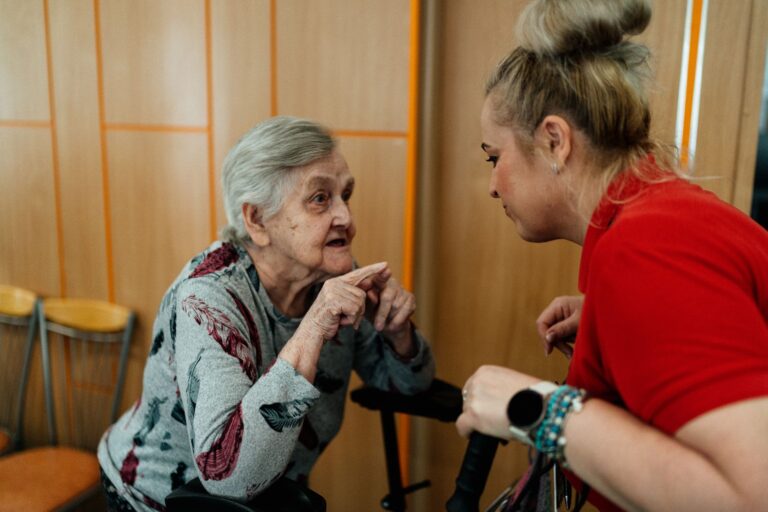
Grief counseling that works for people with dementia uses clear words, extra time, and shared rituals rather than complex talk therapy. It supports both the person with dementia and the family grieving each stage of decline. Here grief counseling means practical emotional support during and after loss. It is adjusted for memory loss, slower processing, and changing needs over time.
Medical information disclaimer: This article is for general educational purposes only and does not provide medical advice, diagnosis, or treatment. Always consult a physician or other qualified health professional about symptoms, medications, tests, or treatment decisions.
Table of Contents
- How do you share news of a death?
- What if they ask for someone who already died?
- How do caregivers cope with grief that starts early?
- Which rituals and covered supports help?
How do you share news of a death?
People living with dementia can still love, grieve, and understand a death. The Alzheimer's Society UK explains in its bereavement support guide that caregivers should use plain words like died, avoid phrases such as gone to sleep, and allow extra time for a response.
Say one fact at a time in a calm place. Use the person's name and your usual kind tone. Offer simple ways to take part and express feelings:.
- ask if they want to talk or sit quietly
- offer a chance to say goodbye, view photos, or attend the service
- check again later, since questions may return
What if they ask for someone who already died?
Memory loss can erase a prior bereavement. The person may ask where the deceased is or when they will visit. Answering bluntly each time can feel like first-time grief again.
Validate the feeling behind the question, then gently shift toward comfort. You might say you miss them too, play a loved song, look at photos, or start a familiar activity. Ask the care team for help if distress grows or repeats daily. Match your response to stage, mood, and past wishes.
How do caregivers cope with grief that starts early?
Grief often starts at diagnosis and returns with each decline. Denial, anger, guilt, sadness, and acceptance may cycle out of order rather than in neat stages.
Caregiver programs therefore mix emotional support, dementia education, coping skills, and links to community help, with different needs for spouses and adult children. Researchers also adapted complicated-grief group therapy into pre-loss groups for high-risk caregivers, as described by Alzheimer's and Dementia Translational Research and Clinical Interventions in this pre-loss therapy study. Those groups use education, motivational interviewing, cognitive-behavioral and exposure tools, mindfulness, self-care, and meaning work to build readiness for death.
Which rituals and covered supports help?
Simple rituals give shape to loss. A 2023 review in Aging and Mental Health found in its dementia bereavement metasynthesis that shared memorial lists and photos, prayers, lit candles, naming the loss at meals, spoken eulogies, and funeral attendance help residents with dementia. Practical help can be covered care.
The Denver Hospice notes in its Medicare hospice coverage guide that hospice for terminal dementia includes nursing, social work, spiritual support, and grief counseling for patient and family, with bereavement support for about 13 months after death. Evidence for counseling the person with dementia directly is still mostly qualitative, so tailor each step to stage, distress, and prior wishes. Ask the hospice or care team what grief support is included now.
You Might Also Like
- Medicare-Linked Dementia Survey Data Priorities in 2026: Why the Findings May Not Change Care Yet for People With Mild Cognitive Impairment
- Handling the Brutal Honesty That Comes With Dementia
- Blood Biomarker Counseling After the AAIC 2026 Findings: Access, Cost, and Follow-Up Questions for People With Mild Cognitive Impairment