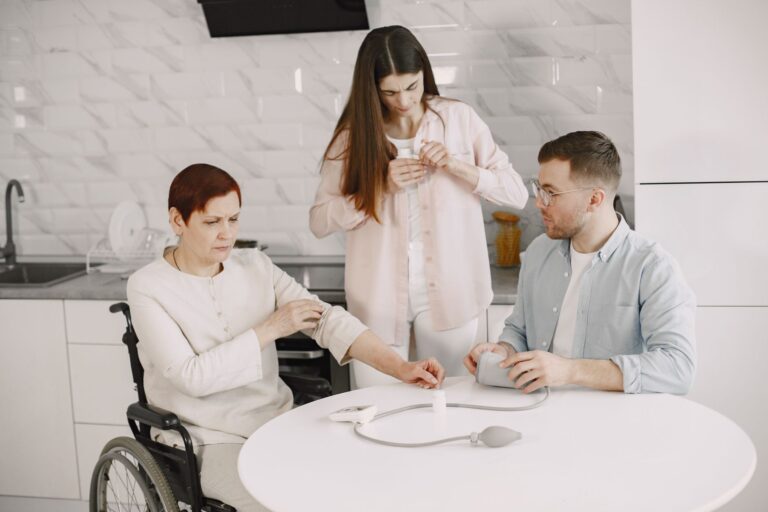
Garlic supplements may increase bleeding risk when taken with warfarin, so a clinician should review the combination. The interaction is plausible, but research has not proved that garlic supplements consistently change warfarin's effects. Warfarin is an anticoagulant, often called a blood thinner, that can cause major or fatal bleeding. Dementia can make medication routines harder to manage, increasing the importance of accurate product lists, regular monitoring, and coordinated care.
Medical information disclaimer: This article is for general educational purposes only and does not provide medical advice, diagnosis, or treatment. Always consult a physician or other qualified health professional about symptoms, medications, tests, or treatment decisions.
Table of Contents
- What does the evidence show?
- Why does warfarin require extra caution?
- Why does dementia change the risk calculation?
- Are garlic in food and garlic supplements equivalent?
- What should a caregiver do now?
What does the evidence show?
Garlic may have anticoagulant effects of its own. This creates concern that a concentrated supplement could add to warfarin's effect and increase bleeding risk. However, evidence for this exact interaction remains inconclusive.
The NIH Office of Dietary Supplements reports that garlic could interact with warfarin, but the available case-study findings do not establish a clear effect. Broader herb–drug interaction research also has limits. According to the NCCIH Clinical Digest, well-designed clinical studies remain limited, and many concerns depend on indirect evidence. That uncertainty is a reason for careful review, not proof that the combination is safe.
Why does warfarin require extra caution?
Warfarin already carries a serious bleeding risk without garlic. Its effects can change with medications, dietary changes, botanical products, and other factors. People taking warfarin therefore need regular INR monitoring.
INR is a laboratory measure used to track anticoagulation and help the care team judge whether warfarin's effect is within the intended range. The FDA-approved COUMADIN label carries a boxed warning for major or fatal bleeding. It also tells patients not to start or stop botanical products without physician advice. A caregiver should not add garlic supplements—or remove an established supplement—without asking the warfarin prescriber or pharmacist first.
Why does dementia change the risk calculation?
Dementia may complicate medication management. A person might forget a dose, repeat one, or be unable to explain what supplements they take. Multiple relatives, aides, or facilities may also maintain different medication lists. Evidence suggests that warfarin management can be more difficult in this population.
A 2018 systematic review found poorer anticoagulation control and greater bleeding risk among people with dementia than among those without dementia. Long-term-care residents with dementia had 1.48 times the rate of adverse warfarin events. This does not show that garlic caused those events. It does mean that an uncertain supplement interaction deserves particular attention when medication oversight is already complex.
Are garlic in food and garlic supplements equivalent?
No. Garlic eaten as food is generally considered safe, but that does not establish the safety of concentrated garlic supplements alongside warfarin. A supplement may not have the same interaction profile as garlic used in meals.
Caregivers should record the exact product rather than writing only "garlic." Useful details include the product name, formulation, amount taken, and how often it is used. Ordinary dietary garlic should still be mentioned when the care team asks about diet or recent changes. The key distinction is that evidence about garlic as food cannot settle questions about a concentrated supplement.
What should a caregiver do now?
Create one current medication list and share it with every clinician and pharmacist involved in the person's care. The Alzheimer's Association medication-safety guidance recommends including prescription medicines, over-the-counter products, herbs, and vitamins.
Use the list to ask focused questions: Bring the supplement container or a clear label image to the review. Until the prescriber or pharmacist responds, do not start, stop, or change a botanical product on your own.
- Is this exact garlic product appropriate with the person's warfarin?
- Does the care team want any change in INR monitoring?
- Who should approve future supplement changes?
- Which caregiver will keep the master medication list current?
- Have any products, doses, or eating patterns changed recently?