Yes, Games Workshop miniatures can work as a shared caregiving activity for some people living with dementia when the task is simplified and supervised. Games Workshop miniatures are small plastic Warhammer figures that are assembled and painted as a hands-on art project. They offer slow looking, choosing colors, and brushwork rather than memory testing or competition. Fit depends on vision, hand strength, interest in making things, and tolerance for very small parts.
Medical information disclaimer: This article is for general educational purposes only and does not provide medical advice, diagnosis, or treatment. Always consult a physician or other qualified health professional about symptoms, medications, tests, or treatment decisions.
Table of Contents
- What painting miniatures involves
- Why caregivers are paying attention
- Who is it a good fit for?
- How to set up a safe first session
What painting miniatures involves
The core task is simple: pick one figure, add color with a small brush, and stop when attention fades. Builders can use push-fit figures that press together without glue, then focus only on painting. One model per session is often enough. A session usually means good light, a steady table, water for rinsing, and one or two paint colors at a time.
Larger figures, larger brushes, and high-contrast colors reduce strain. The caregiver can hold the base, open pots, and clean brushes. The finished figure stays visible as proof of effort. That physical result matters for people who struggle with short activities that disappear after they end.
Why caregivers are paying attention
Interest comes from art, focus, and companionship rather than any dementia treatment claim. The Alzheimer's Association says art projects can create accomplishment and purpose and give both the person with dementia and caregivers an opportunity for self-expression Alzheimer's Association guidance. Miniature painting also has a calm-focus reputation among hobby painters.
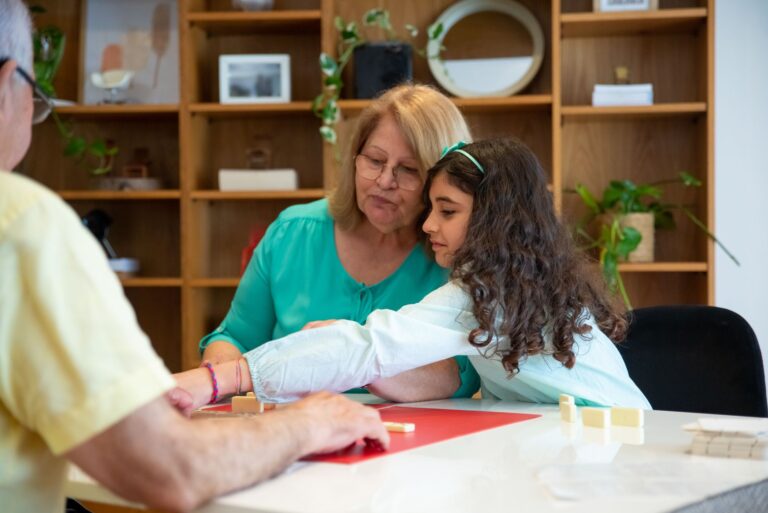
A six-month study of 14 Warhammer 40,000 painters, summarized by CiteDrive, found painting produced concentrated flow states described as meditative, meaningful, and positive for mental health and relaxation CiteDrive study summary. For caregiving, the useful part is joint attention: looking together, passing materials, and commenting on color choices. The goal is pleasant time and self-expression, not neat lines or correct lore.
Who is it a good fit for?
It tends to suit people who liked crafts, models, drawing, board games, or fantasy stories. It can also suit restless hands that need a contained task. Prior hobby experience is not required. Small steps and patient coaching matter more than skill.
A parent account published by Autism Families reports her autistic son moved from fearing tiny models to painting independently, with gains in fine-motor skills, confidence, and self-esteem Autism Families parent account. The same principle applies in dementia care: simplify, demonstrate, assist, and praise effort. It is a poor fit during agitation, severe tremor, major vision loss, mouthing of objects, or strong frustration with fiddly tasks. Debenhams' product listing for Citadel paint describes the paints as non-toxic water-based acrylics but marks them suitable for ages 12 and up, with a warning against use by children under 3 Debenhams product listing. For frail older users, that points to small-parts, dexterity, vision, and supervision needs.
How to set up a safe first session
Choose a large-scale figure, limit the palette, and keep the first try to 15 to 20 minutes. Pre-open paints, use a non-slip mat, protect clothes, and keep water and paint separate.
Stay beside the person throughout and handle washing and storage. Avoid small blades, spray primers, strong solvents, loose tiny bits, and unsupervised access to paints and water. Stop if frustration rises and keep the finished figure where the person can see it.
- pick one sturdy figure and one large brush
- offer two or three high-contrast colors, not the full set
- paint the base coat together, then let the person add patches
- use daylight or a bright lamp and a magnifier if needed
- watch for eye rubbing, fatigue, spills, or putting brushes near the mouth