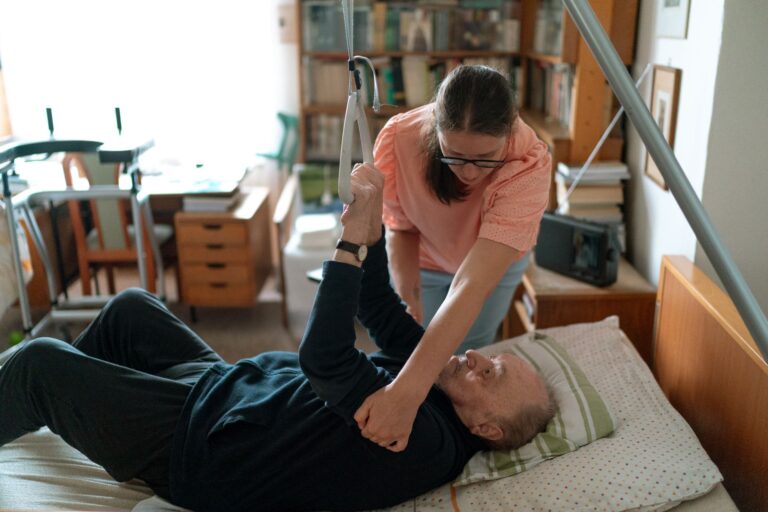
Feel tired sits at the center of this dementia and brain health question.
If you feel tired all the time, you’re not alone. Many people struggle with constant fatigue, and it can be frustrating when rest doesn’t seem to help. But what’s really going on inside your body? Let’s break it down in simple terms.
Fatigue isn’t just about being sleepy or needing a nap. It can show up as brain fog—where thinking clearly or remembering things feels harder than usual. You might notice trouble concentrating, forgetting words, or feeling mentally hazy even after a good night’s sleep.
Sometimes, your body sends signals that look like the flu: sore throat, muscle aches, headaches, swollen glands, or feeling feverish without actually having an infection. These symptoms can come and go and often get worse after physical or mental effort.
There are many possible reasons for ongoing tiredness. For some people, it starts after a viral infection like mononucleosis or even COVID-19. Others may have issues with their immune system—like frequent infections or allergies—that make them feel worn out all the time.
Hormones play a big role too. If your adrenal glands (which help manage stress) aren’t working right, you might crave coffee or sugar just to get through the day. Problems with thyroid hormones can also slow down your metabolism and leave you feeling sluggish.
Chronic fatigue syndrome is one condition where people feel exhausted no matter how much they rest. Simple tasks become difficult because their energy levels are so low that pushing themselves leads to worse symptoms later on.
It’s important to remember that chronic tiredness isn’t always just about not sleeping enough—it could be linked to hidden health issues like hormone imbalances, immune problems, lingering infections, or even genetics if others in your family have similar struggles.
If you find yourself always tired despite getting plenty of rest and eating well, talking to a doctor is a good idea so they can help figure out what’s really happening inside your body and suggest ways to start feeling better again.
For more, see Alzheimer’s Association — clinical trials.