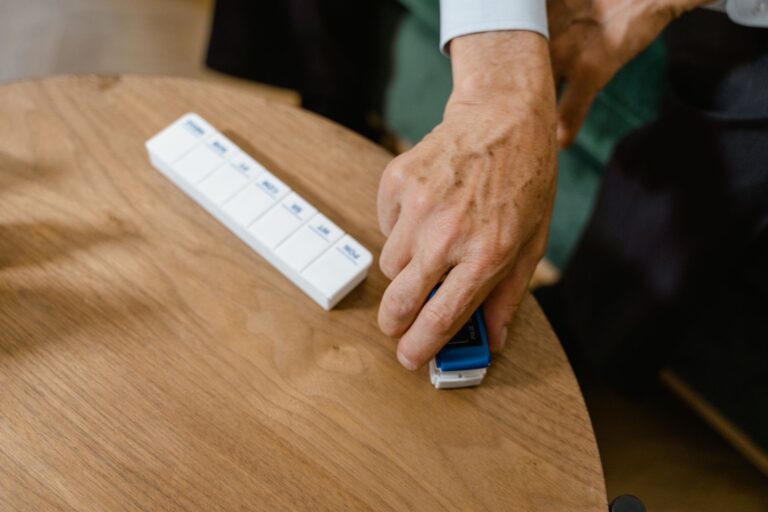
The FDA approved LEQEMBI IQLIK, a subcutaneous autoinjector version of lecanemab-irmb, as an at-home starting treatment for adults with early Alzheimer’s disease on July 13, 2026. The approved initiation dose is 500 mg once weekly, given as two 250-mg injections by the patient or a caregiver. For example, an eligible person who previously would have needed regular intravenous infusions to begin Leqembi may now be able to start treatment at home after receiving appropriate prescribing, screening, and training. Approval does not mean the starting regimen is immediately available. Eisai says U.S.
commercial availability for treatment initiation is planned for late August 2026. As of July 24, families may therefore encounter clinics, pharmacies, or insurers that are not yet ready to provide it, even though the FDA has formally approved it. This is an availability delay, not a pending FDA decision. The change offers a more convenient route of administration, but it does not broaden who should receive Leqembi or turn it into a cure. Treatment remains intended for adults at the mild cognitive impairment or mild dementia stage of Alzheimer’s disease, with amyloid-beta pathology confirmed before treatment. Evidence indicates that lecanemab can slow decline in appropriately selected patients; it does not stop or reverse Alzheimer’s progression.
Medical information disclaimer: This article is for general educational purposes only and does not provide medical advice, diagnosis, or treatment. Always consult a physician or other qualified health professional about symptoms, medications, tests, or treatment decisions.
Table of Contents
- What Did the FDA Approve for the At-Home Leqembi Starting Dose?
- Who Is Eligible for At-Home LEQEMBI IQLIK?
- What Does the Evidence Show About Benefits and Limitations?
- How Families Can Prepare for Starting Treatment at Home
- Safety Monitoring and Common At-Home Treatment Problems
- What Happens After 18 Months of Leqembi Treatment?
- Availability, Insurance, and the First Weeks After Approval
- Frequently Asked Questions
What Did the FDA Approve for the At-Home Leqembi Starting Dose?
The FDA approved a new starting regimen for subcutaneous Leqembi, marketed as LEQEMBI IQLIK. Until this decision, patients beginning Leqembi had to receive the drug intravenously. The new approval allows treatment to start with injections administered at home by the patient or a caregiver, rather than requiring IV administration for the initial treatment period. The [FDA described it as the first at-home starting dose for an Alzheimer’s disease treatment](https://www.fda.gov/drugs/news-events-human-drugs/fda-approves-first-home-starting-dose-alzheimers-disease-treatment). The starting dose is 500 mg once a week, delivered through two separate 250-mg injections.
According to [Eisai’s approval announcement](https://media-us.eisai.com/2026-07-13-FDA-Approves-LEQEMBI-IQLIK-R-lecanemab-irmb-Subcutaneous-Injection-as-an-Initiation-Dose-for-Early-Alzheimers-Disease), each injection takes about 15 seconds. A family should not interpret that brief injection time as meaning the full treatment process takes only 30 seconds: obtaining the medication, storing and handling it properly, preparing two injection sites, following disposal instructions, and watching for problems all add responsibilities. The distinction between “starting” and “maintenance” treatment matters. The earlier FDA label allowed a 360-mg weekly subcutaneous maintenance dose only after 18 months of initial IV treatment. The July 2026 approval adds a subcutaneous option from the beginning, eliminating the requirement that every new patient start with IV infusions.
Who Is Eligible for At-Home LEQEMBI IQLIK?
Leqembi is approved for adults with Alzheimer’s disease who are in the mild cognitive impairment, or MCI, stage or the mild dementia stage. These stages are commonly described as early Alzheimer’s disease. The approval does not cover people with moderate or severe Alzheimer’s disease, and an at-home injection should not be viewed as an option for every person experiencing memory loss. Amyloid-beta pathology must be confirmed before treatment begins. A person can have cognitive symptoms for many reasons, including medication effects, depression, sleep disorders, vascular disease, or another type of dementia.
A diagnosis based only on forgetfulness is therefore insufficient. The prescribing clinician needs evidence that Alzheimer’s-related amyloid is present, using an appropriate diagnostic method. There is also a practical eligibility question beyond the disease stage. A person with MCI may be physically capable of using an autoinjector but still have difficulty remembering whether a weekly dose was taken. For example, someone who lives alone and sometimes repeats medications may need a caregiver to store the doses, administer both injections, and document the date. At-home availability does not make unsupervised self-treatment safe for every eligible patient.
What Does the Evidence Show About Benefits and Limitations?
The main evidence for lecanemab’s clinical benefit comes from trials of intravenous treatment, not from a separate large trial designed to prove that subcutaneous treatment improves clinical outcomes. The FDA states that the subcutaneous formulation was not independently tested in large clinical-outcome trials. Its approval relies on the established IV results, together with evidence of comparable drug exposure and similar reduction of amyloid plaques with subcutaneous dosing. In the pivotal Clarity AD trial, 1,795 participants with early Alzheimer’s disease were followed for 18 months. Intravenous lecanemab slowed decline on the Clinical Dementia Rating–Sum of Boxes, or CDR-SB, by 27% compared with placebo.
The adjusted difference between the groups was −0.45 points. These results were published in the [New England Journal of Medicine](https://doi.org/10.1056/NEJMoa2212948). That 27% figure is easily misunderstood. It does not mean that participants regained 27% of lost memory or became 27% more independent. Both groups declined during the study; the treated group declined more slowly on average. An individual patient may experience a different result, and a family may not notice a dramatic day-to-day change even when treatment is having the kind of modest slowing effect measured in the trial.
How Families Can Prepare for Starting Treatment at Home
Families considering LEQEMBI IQLIK should first confirm that the diagnosis, disease stage, and amyloid testing meet the prescribing requirements. The treating team should also review the patient’s medical history, medications, brain imaging, and ability to follow the monitoring plan. At-home administration changes where the drug enters the body, but it does not replace specialist oversight or the safety procedures associated with Leqembi. It is useful to compare the two routes in practical terms. IV treatment requires travel to an infusion location, placement of an IV line, and time at the facility.
At-home treatment reduces those recurring visits but shifts more work to the household. Someone must manage weekly scheduling, administer two injections correctly, track supplies, and know whom to contact after a missed dose or possible reaction. A family living far from an infusion center may value the reduced travel; another family may prefer having clinical staff handle every dose. Before the first home dose, families should ask who will provide injection training, where the medication will come from, how it must be stored, how used autoinjectors should be discarded, and what to do if one of the two injections fails. They should also ask whether their clinic has completed the operational steps needed for the late-August launch. A written dosing log can prevent uncertainty about whether both 250-mg injections were administered on a given week.
Safety Monitoring and Common At-Home Treatment Problems
Leqembi can cause serious adverse effects, including amyloid-related imaging abnormalities, often called ARIA. ARIA can involve swelling or bleeding in the brain and may occur without obvious symptoms, which is why prescribed brain imaging and clinical monitoring remain important. Families should follow the current FDA-approved prescribing information and contact the treating team promptly about new neurologic or concerning symptoms rather than assuming that home administration means routine medical follow-up is unnecessary. Medication reviews are also important because bleeding risk and other individual factors can affect treatment decisions.
Families should give the Alzheimer’s specialist a complete list of prescriptions, over-the-counter products, and supplements, and should report changes made by other clinicians. They should not stop a necessary medication or alter Leqembi dosing without medical guidance. Common household problems may be less dramatic but still consequential: forgetting that two injections make up the starting dose, confusing the 500-mg initiation regimen with the later 360-mg maintenance regimen, or losing track of the weekly schedule. A caregiver should verify the product strength and instructions each time it is dispensed. Information from an older handout may describe the previous pathway, in which subcutaneous treatment was available only after 18 months of IV therapy.
What Happens After 18 Months of Leqembi Treatment?
After 18 months of IV or subcutaneous treatment, the approved subcutaneous maintenance regimen is 360 mg once weekly. IV treatment remains an option, and patients may switch between IV and subcutaneous routes under the prescribed pathway. The dose change should be directed by the treating clinician rather than made automatically by a family based on the calendar.
For example, a patient could begin with the 500-mg weekly at-home regimen, using two 250-mg injections, and later move to the approved 360-mg weekly maintenance regimen after completing 18 months. Another patient might start subcutaneously but switch to IV treatment if managing injections at home becomes difficult. Route flexibility does not eliminate the need to confirm the correct dose during every transition.
Availability, Insurance, and the First Weeks After Approval
FDA approval and commercial availability occur on different timelines. The FDA approved the at-home starting regimen on July 13, 2026, but Eisai plans to make it commercially available for U.S. treatment initiation in late August 2026.
A family calling on July 24 may be told that the product cannot yet be ordered, that insurance procedures are still being established, or that the clinic has not begun training patients and caregivers. Coverage for the drug does not necessarily settle coverage for every related service. Families can ask the prescriber and insurer separately about the medication, diagnostic testing, brain imaging, clinical visits, injection training, and any specialty-pharmacy requirements. Recording the name of each representative, the date of the call, and any authorization number can help resolve discrepancies when the clinic, pharmacy, and health plan provide different answers.
Frequently Asked Questions
Can a person start Leqembi at home immediately after the July 2026 approval?
Not necessarily. The FDA approved the regimen on July 13, but Eisai says commercial availability for U.S. treatment initiation is planned for late August 2026.
What is the at-home starting dose?
The approved initiation regimen is 500 mg once weekly, administered as two 250-mg subcutaneous injections. Eisai says each injection takes about 15 seconds.
Is at-home Leqembi approved for all stages of Alzheimer’s disease?
No. It is intended for adults in the mild cognitive impairment or mild dementia stage of Alzheimer’s disease, commonly called early Alzheimer’s disease.
Does a person need proof of amyloid before starting?
Yes. Amyloid-beta pathology must be confirmed before Leqembi is initiated.
Was the subcutaneous version proven in its own large clinical-outcome trial?
No. The FDA relied on the established IV clinical results plus evidence that subcutaneous dosing produces comparable drug exposure and similar amyloid-plaque reduction.
Does Leqembi reverse Alzheimer’s disease?
No. In the 18-month Clarity AD trial, IV lecanemab slowed decline by 27% versus placebo on the CDR-SB measure, with an adjusted difference of −0.45 points. Both groups continued to decline.