FAST Stage 5 is moderately severe cognitive decline that affects daily function. At this stage, the defining loss is needing help choosing proper clothing for the day, season or occasion, so caregiving centers on guided dressing choices and steady routines. FAST is a scale that tracks loss of daily abilities in dementia. According to the Alzheimer's Association, Stage 5 marks this shift to needing selection help, described in its stages overview.
Medical information disclaimer: This article is for general educational purposes only and does not provide medical advice, diagnosis, or treatment. Always consult a physician or other qualified health professional about symptoms, medications, tests, or treatment decisions.
Table of Contents
- What changes at Stage 5?
- How do you offer choices without taking over?
- What makes dressing itself easier?
- Why keep the same daily routine?
What changes at Stage 5?
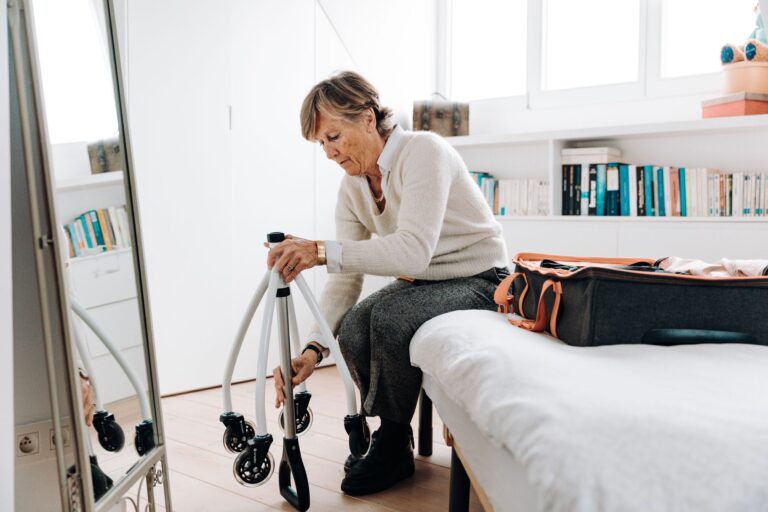
Stage 5 is about selection, not yet hands-on dressing. The person can often still put clothes on alone but may pick a winter sweater for summer or mismatched clothes for an outing.
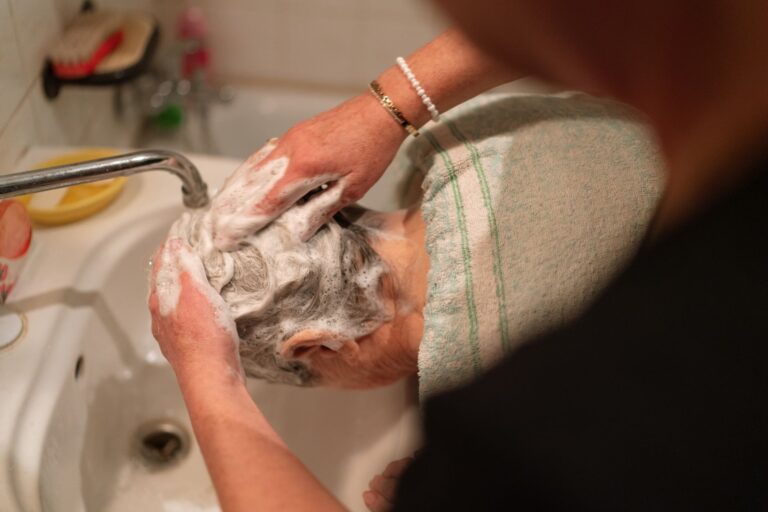
This differs from Stage 6, which involves hands-on help with dressing, bathing and toileting. Anchorly, citing Reisberg 1988, places average Stage 5 duration in Alzheimer's at about 1.5 years, a group average rather than a personal prediction.
How do you offer choices without taking over?
Narrow the decision instead of removing it. The Alzheimer's Foundation of America recommends offering one or two outfits at a time, such as a blue versus green sweater, rather than opening a full closet. Use the same approach each morning:.
- Hold up two season-appropriate options and let the person point or name one.
- Remove out-of-season clothes and duplicates from view.
- Allow the choice to stand unless it risks health or safety.
What makes dressing itself easier?
Set up the task so the person can act alone longer. The National Institute on Aging advises laying clothes out in wearing order, handing one item at a time, and allowing extra time, detailed in its dressing and grooming tips.
Choose simple, comfortable clothing that is easy to put on and remove. The Alzheimer's Association tip sheet TS-0021, updated July 2024, points to elastic waistbands and Velcro closures as ways to reduce frustration.
Why keep the same daily routine?
A fixed order lowers confusion because the person knows what comes next. Keep bathing, dressing and eating at the same time and place each day.
The National Institute on Aging links this kind of stable routine to less confusion and agitation, as explained in its guide to adapting activities. Envision Hospice notes that FAST was developed for Alzheimer's functional decline, so timing and order fit Alzheimer's best and other dementias may progress differently.