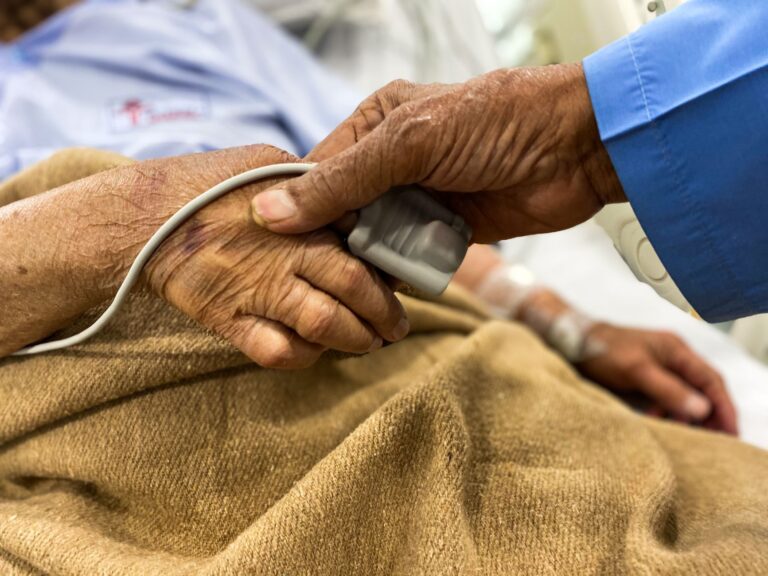
FAST Stage 7 maps end-stage dementia in six milestones, from limited speech at 7a-7b through loss of walking, sitting, smiling, and head control at 7c-7f. FAST, a Functional Assessment Staging scale for Alzheimer function, defines Stage 7 as severe dementia needing total daily care.
The Fisher Center for Alzheimer's Research Foundation describes Stage 7 as sequential loss of speech, locomotion, and consciousness in end-stage Alzheimer disease Fisher Center clinical stages page. That sequence gives families a shared map. Each sub-stage marks one more function that needs full support.
Medical information disclaimer: This article is for general educational purposes only and does not provide medical advice, diagnosis, or treatment. Always consult a physician or other qualified health professional about symptoms, medications, tests, or treatment decisions.
Table of Contents
- What do 7a and 7b sound like?
- When does loss of movement change daily care?
- What do 7e and 7f signal?
- How is Stage 7 used for hospice and scoring?
What do 7a and 7b sound like?
Sub-stage 7a limits speech to about a half-dozen different intelligible words or fewer during an average day or intensive interview. Sub-stage 7b narrows speech further to a single intelligible word in an average day. The Reisberg FAST scale sets these word-count cutoffs Reisberg FAST scale PDF.
A person at 7a may repeat yes, no, please, or a name. At 7b, only one word remains usable, often yes or no. Care partners can respond best with short phrases, one choice at a time, and calm watching for gestures.
When does loss of movement change daily care?
Sub-stage 7c means loss of walking without personal assistance. The Centers for Medicare & Medicaid Services uses this same definition in its hospice medical review language CMS hospice LCD L34538.
Sub-stage 7d means loss of sitting up without help, so the person falls over if left unsupported. Walking help shifts from supervision to hands-on support and safe transfers. Sitting help shifts to supported chairs, trunk support, and close checks for sliding, pressure, and falls.
What do 7e and 7f signal?
Sub-stage 7e marks loss of the ability to smile. Sub-stage 7f marks loss of the ability to hold up the head on its own.
A medically reviewed Pabau clinical guide lists head control as the final FAST milestone Pabau FAST scale guide. Loss of smile does not prove loss of feeling, but it removes a key social cue. Loss of head control means full physical support for sitting, feeding, and comfort positioning.
How is Stage 7 used for hospice and scoring?
For primary dementia, Medicare hospice generally requires FAST Stage 7c or beyond plus at least one complicating condition in the prior 12 months. Examples include: FAST scoring uses the highest consecutive disability level, with non-consecutive deficits noted separately. The scale was validated for Alzheimer disease, so other dementias often show non-sequential patterns and need clinical judgment.
- aspiration pneumonia in the past year
- major weight loss in the past year
- Stage 7c or later function as the entry point