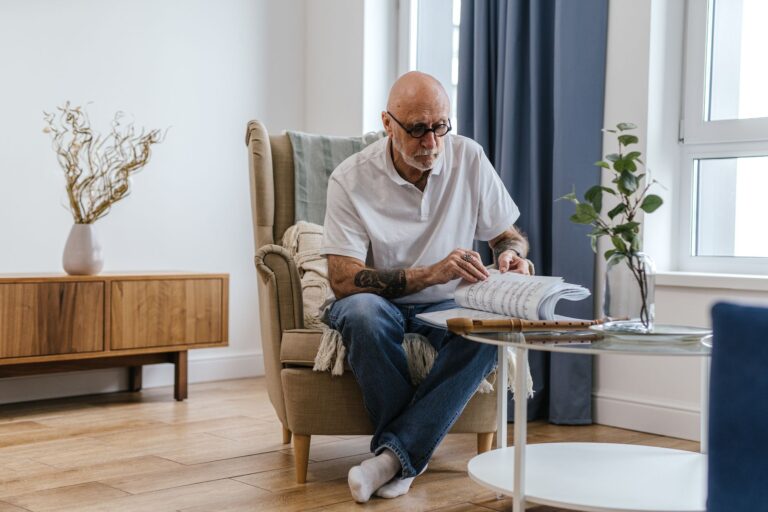
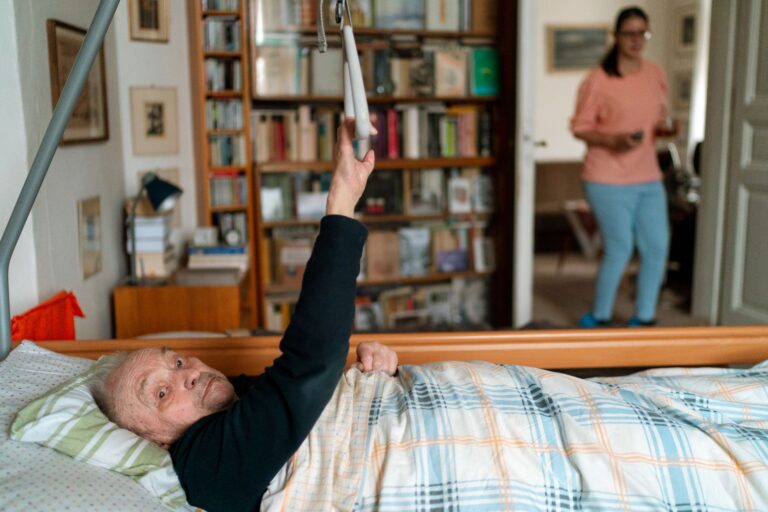
Engagement during a familiar music session shows up as visible pleasure, sustained attention, and reduced sadness; distress shows up as verbal agitation or restlessness that usually eases once the music starts or the volume changes. Both signs can appear in the same sitting, often within minutes of each other, in people with mild-to-moderate dementia.
Medical information disclaimer: This article is for general educational purposes only and does not provide medical advice, diagnosis, or treatment. Always consult a physician or other qualified health professional about symptoms, medications, tests, or treatment decisions.
Table of Contents
- What Counts as a Familiar Music Session
- The Specific Signs That Mean Someone Is Engaged
- The Specific Signs That Mean Someone Is Distressed
- What to Do With These Signs in the Moment
- The Longer-Term Payoff of Tracking These Signs
- Frequently Asked Questions
What Counts as a Familiar Music Session
A familiar music session pairs a person with dementia with songs tied to their own memory — music from their teens, twenties, or a specific life event, played live, sung along to, or listened to on a device. Researchers have tested two versions of this idea directly: coached group singing and supervised listening to personalized playlists.
In a randomized trial of 89 person-caregiver pairs, both approaches ran for 10 weeks and were compared against standard dementia care with no music component. Both singing and listening groups improved on mood, orientation, and episodic memory compared with standard care, and singing additionally improved working memory and caregiver well-being, according to the Gerontologist trial by Särkämö and colleagues. A nine-month follow-up of the same group found that singing worked best for working memory, executive function, and orientation in people with mild dementia who were younger, while listening helped cognition more in people with more advanced dementia — and both reduced depression in mild Alzheimer's-type dementia, per the Journal of Alzheimer's Disease follow-up.
The Specific Signs That Mean Someone Is Engaged
Caregivers do not have to guess at engagement. A validated five-item scale, the Music Therapy Engagement scale for Dementia (MTED), was tested on 62 patients with a mean age of 83.2 and moderate cognitive impairment, across 120 therapy sessions. It showed strong consistency and near-perfect agreement between different raters watching the same session, according to the International Psychogeriatrics validation study by Tan and colleagues. The MTED's total score correlated strongly with four separate observations: visible pleasure, sustained attention, reduced sadness, and interest.
That strong correlation means these four behaviors are the cross-validated signs that someone is genuinely engaged, not just passively present, as reported in the companion analysis on PMC. In practice, that looks like a person tracking the music with their eyes, tapping or swaying, humming or singing along, or staying focused on the source of the sound rather than drifting into distraction. Separately, earlier research on music therapy protocols found that how a person responds in their first few sessions — playing rhythm instruments, moving to the music, or singing — predicts how much they go on to participate later. That same research found non-music-trained activity staff could run these sessions effectively, which matters for care settings without a dedicated music therapist on staff, per the Clair et al. protocol work summarized by Berklee.
The Specific Signs That Mean Someone Is Distressed
Distress during a session does not always look dramatic. A caregiver flier from Stanford's Geriatric Education Center teaches that early anxiety signs — before they escalate into agitation — are the point to intervene, and it instructs caregivers to try personalized music at the first sign of anxiety while watching the person's response before and after, according to the Stanford flier. In clinical and research settings, distress is tracked more formally.
A Hong Kong study measured agitation daily with the Pittsburgh Agitation Scale during 30-minute individualized music sessions over seven days and found agitation dropped from before to after the sessions, per the Hong Kong Academy of Nursing abstract. A University of Pennsylvania study of nursing home residents found personalized music temporarily reduced verbally agitated behaviors — calling out, complaining, or protesting — while also increasing observed pleasure during and shortly after the same sessions, according to the Natural Health Research Institute's summary. That overlap matters: a person can show relief from agitation and visible pleasure in the same session, which is the pattern to watch for rather than expecting one or the other.
What to Do With These Signs in the Moment
.
- Watch the face and body first. Pleasure (smiling, relaxed posture), interest (leaning toward the sound, eye tracking), and sustained attention are the three MTED-linked signs most worth noting in real time, per the Tan et al. engagement research.
- Note the first few minutes. Rhythm playing, movement, or spontaneous singing early in a session are the behaviors shown to predict ongoing participation, so they are worth logging the first time a new playlist or song is tried, per the Clair et al. findings.
- If agitation appears — calling out, pacing, repeated protest — try switching songs, lowering volume, or pausing rather than continuing the same track, since both the Hong Kong and University of Pennsylvania studies measured agitation easing when the music session itself was adjusted around the person's response.
- Compare before-and-after, not just during. The Stanford flier's guidance to observe response before and after a session, not only during it, catches delayed reactions that do not show up until the music stops.
The Longer-Term Payoff of Tracking These Signs
Signs of engagement and distress are not only useful session to session — tracked over months, they connect to measurable reductions in medication use. A three-year study affiliated with UC Davis followed 4,107 nursing home residents with dementia across 265 California facilities using the Music & Memory personalized playlist program.
Antipsychotic use fell 13% per quarter and antianxiety medication use fell 17% per quarter among participants, an indirect but measured sign that the sessions were reducing distress over time rather than just masking it in the moment, according to the JAMDA study summarized by UC Davis. That scale of finding came from a structured, ongoing program — a single session's signs of pleasure or agitation are a starting point for tracking, not the full picture of whether music is helping over time.
Frequently Asked Questions
Should the music be live or recorded?
Both have evidence behind them — the Gerontologist trial tested coached group singing against personalized playlist listening, and each improved mood, orientation, and memory versus standard care, with singing adding working-memory and caregiver benefits per the Gerontologist trial.
Does the person's stage of dementia change which approach works better?
Yes. The nine-month follow-up found singing benefited working memory and executive function most in people with mild dementia, while listening helped cognition more in those with more advanced dementia, per the Journal of Alzheimer's Disease follow-up.
Do activity staff need music therapy training to run these sessions?
No — research on the protocol found non-music-trained activity staff could run it effectively, per the Clair et al. work.