Yes, experts are warning that the current Iran situation could escalate into a broader regional conflict. Following major U.S. and Israeli military operations against Iran and subsequent Iranian counter-strikes against U.S. military bases in the Gulf region, military analysts and policy experts are concerned that the cycle of escalation could spread beyond direct Iran-U.S.
engagement. The conflict already involves proxy forces—Hezbollah launched missiles and drones into Israel on March 2, 2026, triggering Israeli air strikes in response—and experts warn that multiple regional actors could be pulled into the fighting. This article examines why experts see escalation risks, which countries and groups could become involved, what economic consequences might follow, and what the international community is saying about the path forward. Military tensions in the Middle East have reached levels not seen in years, with the potential to reshape regional stability and draw in nations far beyond the immediate conflict zone. Understanding what experts are warning about—and why they believe a broader conflict is possible—is important context for anyone seeking to understand current global events.
Table of Contents
- How Military Escalation Between U.S., Israel, and Iran Could Widen Into Broader Conflict
- Proxy Expansion: How the Conflict Could Spread Across Iraq, Yemen, and Beyond
- The Strait of Hormuz and Global Energy Crisis Risk
- Ground Force Deployment: A Red Line That Could Escalate Further
- International Warnings and Calls for Restraint
- Cascade Effects and Regional Destabilization
- Looking Forward—What Experts Say Could Happen Next
- Conclusion
How Military Escalation Between U.S., Israel, and Iran Could Widen Into Broader Conflict
The current escalation began with major attacks. The U.S. and Israel conducted significant military operations against iran, and Iran responded with counter-strikes against U.S. military bases in the Gulf region. This tit-for-tat pattern is precisely what experts fear could spiral into wider regional war. When one side strikes and the other retaliates, each action raises tensions and creates pressure on both sides to respond again—a cycle that historically has drawn in neighboring countries and proxy forces.
What makes this situation particularly dangerous, according to military experts, is that the conflict is not limited to direct state-on-state confrontation. Hezbollah, a militant group with deep ties to Iran, launched missile and drone attacks into Israel on March 2, 2026, and Israel responded with air strikes. This expansion beyond just U.S.-Iran tensions shows how quickly the conflict can involve multiple actors. When non-state actors enter the fighting, the situation becomes harder to control because these groups may operate independently or with different objectives than their state sponsors. A miscalculation or unauthorized attack by a proxy force could trigger responses that escalate the situation further. Military analysts warn that without clear communication channels and de-escalation measures, each side may interpret the other’s actions as justifying stronger responses. This is not hypothetical—it’s based on historical patterns from previous Middle East conflicts where initial clashes between two parties drew in multiple countries over months or years.

Proxy Expansion: How the Conflict Could Spread Across Iraq, Yemen, and Beyond
One of the most concerning aspects of the current situation is that multiple proxy forces are positioned to intensify their activities. In Iraq, Kataib Hezbollah—a militia with close ties to Iran—indicated plans to strike U.S. military facilities in response to American military action. The U.S. maintains significant military presence in Iraq, so attacks there could force American forces to respond, further escalating tensions. This is how a U.S.-Iran conflict becomes a regional one: strikes in Iraq pull in the Iraqi government, potentially destabilize the country, and create spillover effects across borders. In Yemen, the Houthi movement is expected to intensify attacks on shipping in Red Sea corridors.
The Houthis have demonstrated the ability to strike commercial vessels and military ships using drones and missiles. If these attacks increase in frequency or severity, they would disrupt global maritime trade, threaten commercial shipping, and potentially draw in naval forces from multiple countries. What makes this particularly dangerous is that disruption to shipping can have economic consequences far beyond the Middle East—affecting prices, supply chains, and economic stability worldwide. These proxy conflicts are harder to resolve than direct state-to-state disputes because they involve multiple independent actors with their own grievances and agendas. Even if the U.S. and Iran agreed to cease hostilities, controlling what proxy forces do next becomes much more difficult. A single attack by one of these groups could reignite the broader conflict.
The Strait of Hormuz and Global Energy Crisis Risk
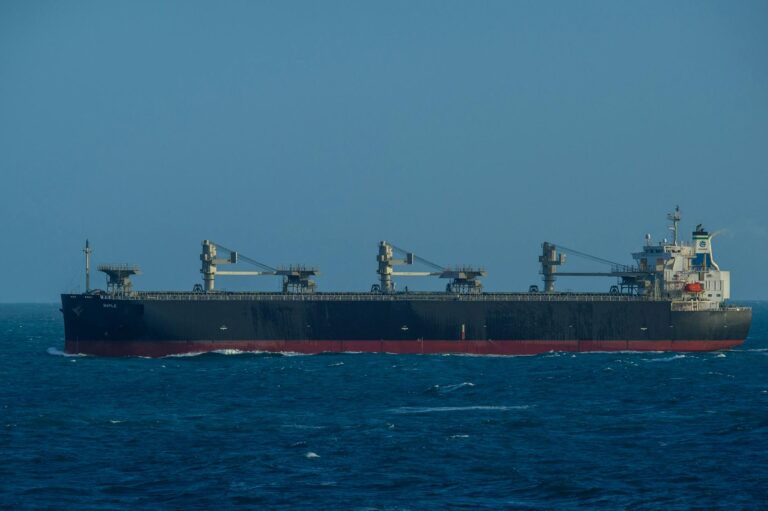
Experts have raised alarms about the potential closure or mining of the Strait of Hormuz, one of the world’s most critical shipping routes. Approximately one-third of all global maritime oil trade passes through this narrow waterway between Iran and Oman. If Iran or its proxies were to block or mine the strait, global oil prices would spike dramatically, and a significant portion of the world’s energy supply would be cut off. The economic impact would be severe and immediate. Higher energy prices would ripple through every economy that depends on oil and gas, raising costs for transportation, heating, manufacturing, and electricity.
Countries that import oil—which includes most developed nations—would face energy shortages and inflation. This is why military experts and economists both consider the Strait of Hormuz vulnerability to be one of the most dangerous aspects of the Iran escalation. Unlike a localized military conflict, a disruption to shipping through the strait would have global consequences within days. The House of Commons Library has warned in recent briefings that prolonged conflict in the region could lead to inflationary pressures and trigger worldwide recession if the situation is not resolved. This means that a military conflict that remains “regional” in geography could have “global” consequences economically—affecting prices, employment, and economic growth in countries nowhere near the Middle East.
Ground Force Deployment: A Red Line That Could Escalate Further
Perhaps most concerning to military analysts is the risk of ground force deployment. U.S. Senator Richard Blumenthal (D) warned that the current Trump administration approach could lead to U.S. ground force deployment in Iran itself. A ground invasion or occupation of Iranian territory would represent a major escalation from air strikes and military operations. Ground wars are harder to contain, require sustained commitment of troops, and have historically caused regional destabilization and long-term consequences.
If the U.S. were to deploy ground forces into Iran, that would likely trigger direct military engagement with Iranian forces on a much larger scale. Other regional actors might use this as justification to expand their own military operations. Countries bordering Iran—Iraq, Turkey, Afghanistan—could be drawn into the conflict. The difference between air strikes and ground invasion is the difference between a limited military action and a full regional war. Experts caution that ground force deployment should be considered a potential trigger point for broader conflict escalation. The decision to commit ground troops would signal to adversaries and allies alike that the conflict is moving into a new, more serious phase—one with greater risks of mission creep and unintended consequences.
International Warnings and Calls for Restraint
The United Nations has sounded the alarm about escalation risks. UN Secretary-General called for urgent restraint and a return to talks, warning that Iranian strikes could trigger wider conflict in the Middle East. This is not routine diplomatic language—it reflects genuine concern within the international community that the situation is approaching a point where de-escalation becomes much more difficult. The UN’s concern is grounded in experience.
Previous regional conflicts in the Middle East—Lebanon, Iraq, Syria—began with localized clashes but spread as outside powers became involved and proxy actors expanded their operations. International institutions are warning that the current situation is following a similar trajectory, and that window for de-escalation through diplomacy may be narrowing. When the UN Secretary-General issues such warnings, it indicates that diplomatic channels are being actively used to prevent further escalation. However, the effectiveness of these efforts depends on whether all parties are willing to listen. If key actors believe they have military advantage or if they feel threatened by the other side’s actions, diplomatic pressure may have limited effect.

Cascade Effects and Regional Destabilization
One of the most difficult aspects of regional conflicts is predicting all the consequences. When military action begins, it often sets off chain reactions that experts did not anticipate. For example, a U.S. strike on Iranian targets might trigger Iranian counter-strikes, which could prompt Israeli air strikes in response, which could cause Hezbollah to intensify attacks, which could destabilize Lebanon, which could affect Syrian stability, and so on. Each action creates conditions for the next action. The Middle East is connected through multiple political, military, and economic relationships.
Iran has alliances with groups in Lebanon, Syria, Iraq, and Yemen. If the situation escalates in the Iran-U.S. conflict, these connected relationships could pull in countries and groups throughout the region. Syria, which has been recovering from its own civil war, could be destabilized. Lebanon, which is already fragile, could face renewed internal conflict. Iraq could see increased sectarian violence. These cascade effects are difficult to predict precisely but experts are confident they would be significant.
Looking Forward—What Experts Say Could Happen Next
The trajectory of the Iran conflict over the next weeks and months will depend on several factors: whether diplomatic efforts succeed in opening communication channels, whether proxy forces can be restrained by their state sponsors, whether the U.S. or Israel decide to launch additional military operations, and how Iran responds to any further actions. Each of these variables could tip the situation toward de-escalation or further conflict.
Experts emphasize that there is still a window for diplomatic resolution, but that window is closing. If major powers are serious about preventing broader regional conflict, they need to engage in active diplomacy now. The alternative—continued military action and escalation—carries significant risks not just for the Middle East but for global economic stability, energy security, and international peace.
Conclusion
Experts are warning that the Iran situation could trigger broader conflict because the current cycle of military action and retaliation involves multiple actors—state and non-state—positioned across the region. The involvement of Hezbollah, militia groups in Iraq, and the Houthis in Yemen means that escalation could spread rapidly beyond U.S.-Iran tensions. The risk is further amplified by potential threats to the Strait of Hormuz, which could disrupt global energy supplies and trigger worldwide economic consequences.
The UN, military analysts, and policy experts are calling for urgent restraint and a return to diplomatic negotiations. The situation demonstrates how quickly regional conflicts can expand into broader wars and how interconnected global security has become. While military options remain on the table, the emphasis from international institutions is on finding diplomatic paths to de-escalation before the conflict widens further.