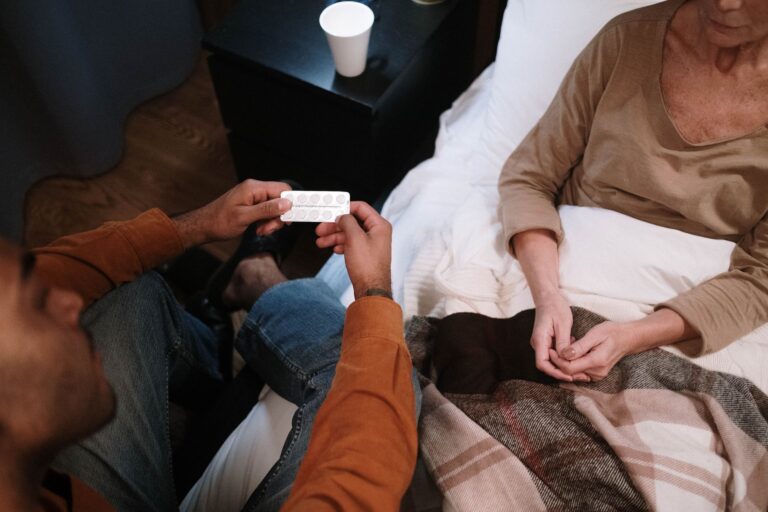
Dementia caregiver support is expanding in 2026 through three linked efforts: a national database of proven programs gained a major new partner, Medicare's dementia-care payment model crossed 330 participating health systems, and a multimillion-dollar grant is pushing roughly 120 clinical sites to adopt caregiver training as standard care. For spouses and partners, who research shows face a sharper mental-health toll than other caregivers, these changes create new entry points worth checking before the year ends.
The programs below are not proposals. Each is funded, enrolling sites, or already serving families as of mid-to-late 2026. This checklist explains what changed, who it reaches, and what a spousal caregiver can do now to find out whether it reaches them too.
Medical information disclaimer: This article is for general educational purposes only and does not provide medical advice, diagnosis, or treatment. Always consult a physician or other qualified health professional about symptoms, medications, tests, or treatment decisions.
Table of Contents
- What changed in 2026
- Why spouses and partners are singled out
- Who the expansion actually reaches right now
- A 2026 follow-up checklist for spouses and partners
- What this expansion does not yet guarantee
- Frequently Asked Questions
What changed in 2026
The Alzheimer's Association joined Best Programs for Caregiving as a three-year (2026–2028) partner, standing alongside the Benjamin Rose Institute on Aging and Family Caregiver Alliance, which already ran the free national database of evidence-based dementia caregiver programs, according to Family Caregiver Alliance. The partnership is meant to widen awareness of programs that have already been tested and shown to work, rather than introduce new, unproven ones. At the same time, the federal government's GUIDE Model — an eight-year Medicare test of dementia-care payment that started July 1, 2024 — had 330 participating healthcare organizations enrolled as of July 8, 2025, each required to provide caregiver skills training, 24/7 support-line access, and respite-care benefits, per CGS Medicare, the CMS contractor that administers the model.
A separate $2,596,865, three-year grant from the John A. Hartford Foundation is funding the Education Development Center, UCLA, and the Benjamin Rose Institute on Aging to help about 120 GUIDE and non-GUIDE healthcare sites nationwide build out comprehensive, evidence-based dementia caregiver care, according to the John A. Hartford Foundation. Together, these three moves push the same proven program models — caregiver skills training, structured respite, and support-line access — into more clinics, more states, and more public awareness at once.
Why spouses and partners are singled out
A Journal of Applied Gerontology study found that spouses who began caring for a partner newly diagnosed with Alzheimer's or dementia showed a 30% increase in depressive symptoms compared with spouses of partners without dementia, as reported by UPI. That gap is the clinical basis for treating spousal and partner caregivers as a distinct group needing structured follow-up, rather than folding them into general caregiver outreach.
Spouses typically live with the person they care for, carry the caregiving load with less rotation than adult children or hired help, and often delay seeking support until symptoms in themselves — not just their partner — become hard to ignore. A program built around periodic skills training and guaranteed respite, rather than a one-time intake, is designed to intervene before that depressive trajectory sets in.
Who the expansion actually reaches right now
Scale matters here: the Alzheimer's Association's 2026 Facts and Figures state sheets count more than 7 million Americans living with Alzheimer's, over 12 million unpaid dementia caregivers nationwide, and an estimated $409 billion in total 2026 caregiving costs, the population these expanding programs are meant to serve, according to the Alzheimer's Association. Real-world uptake is already visible at the provider level. Village Caregiving Group began operating a GUIDE Model pilot offering caregiver education and respite services to more than a dozen client families across its Illinois and Kentucky locations as of late July 2026, according to the Las Vegas Sun.
That is a concrete sign that enrollment numbers are turning into services families can actually use, not just paperwork. State-level expansion is moving too, though on a different footing. New Jersey's Division of Aging Services solicited proposals to expand the evidence-based Stress-Busting Program for Family Caregivers statewide, making $360,000 available for up to three grants, with an anticipated award period running through September 29, 2026, per the NJ Department of Human Services RFP. This is a solicitation, not yet a confirmed, funded rollout, so New Jersey caregivers should treat it as a program to watch rather than one to enroll in today.
A 2026 follow-up checklist for spouses and partners
Use this sequence to find out what, if anything, is now available where the person with dementia receives care: Because enrollment changes over the course of the eight-year GUIDE Model, a health system that does not participate today may join later; asking again every six to twelve months is a reasonable cadence.
- Ask the treating health system directly whether it participates in the GUIDE Model; if it does, it is required to offer caregiver skills training, a 24/7 support line, and respite-care benefits.
- Search Best Programs for Caregiving's free national database for a program near you, now backed by the added reach of the Alzheimer's Association partnership.
- If the primary care or neurology clinic is a larger health system, ask whether it is one of the roughly 120 sites working with the Hartford Foundation-funded initiative to build out comprehensive dementia caregiver care.
- In New Jersey, ask the Division of Aging Services whether the Stress-Busting Program grant has been awarded and where it is being delivered.
- Note whether a program offers respite specifically — not just education — since guaranteed respite is one of the features distinguishing GUIDE-affiliated sites from general caregiver resources.
What this expansion does not yet guarantee
None of these programs are universal. GUIDE Model participation is limited to the 330 organizations enrolled as of mid-2025, so a caregiver whose health system is not on that list has no automatic right to the model's respite or training benefits.
The Hartford-funded initiative is likewise capped at roughly 120 sites nationwide, chosen from both GUIDE and non-GUIDE systems, not an open rollout to every clinic. New Jersey's statewide expansion remains an anticipated award as of this writing, not a confirmed, operating program, so caregivers there should confirm funding status before expecting services. The clearest sign that a program is real and reachable, rather than aspirational, is the kind seen in Illinois and Kentucky: specific locations, serving specific families, under a named pilot.
Frequently Asked Questions
Is the GUIDE Model available everywhere?
No. It is limited to the 330 healthcare organizations enrolled as of July 8, 2025, so availability depends on whether a specific health system has joined, according to CGS Medicare.
Does the Hartford Foundation grant fund direct services to caregivers?
It funds the Education Development Center, UCLA, and the Benjamin Rose Institute on Aging to help about 120 healthcare sites build caregiver care programs, not direct cash assistance to individual caregivers.
Why do spouses get called out separately from other family caregivers?
A Journal of Applied Gerontology study found a 30% increase in depressive symptoms among spouses of newly diagnosed partners, a sharper effect than seen in caregiving broadly.
You Might Also Like
- Evidence-Based Dementia Caregiver Programs Expanding in 2026: What the Report Establishes and Leaves Unanswered for Spouses and Partners
- Evidence-Based Dementia Caregiver Programs Expanding in 2026: What Spouses and Partners Can Check in Their Community
- Caregiver Burnout Signs Every Dementia Household Should Know