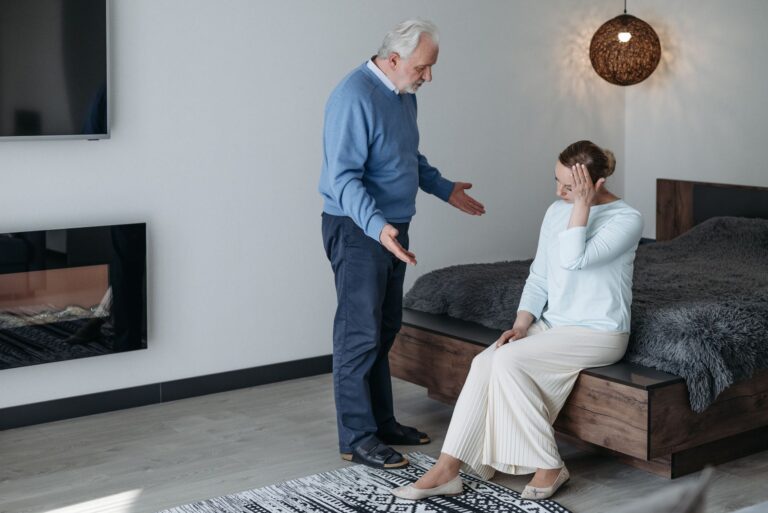
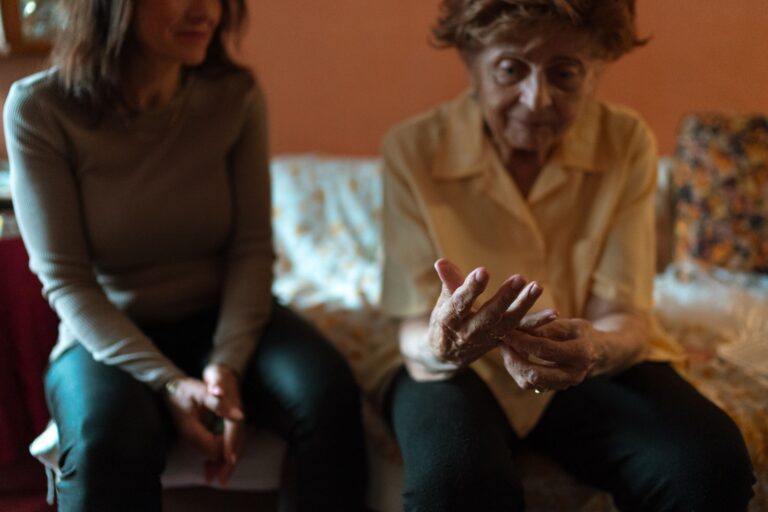
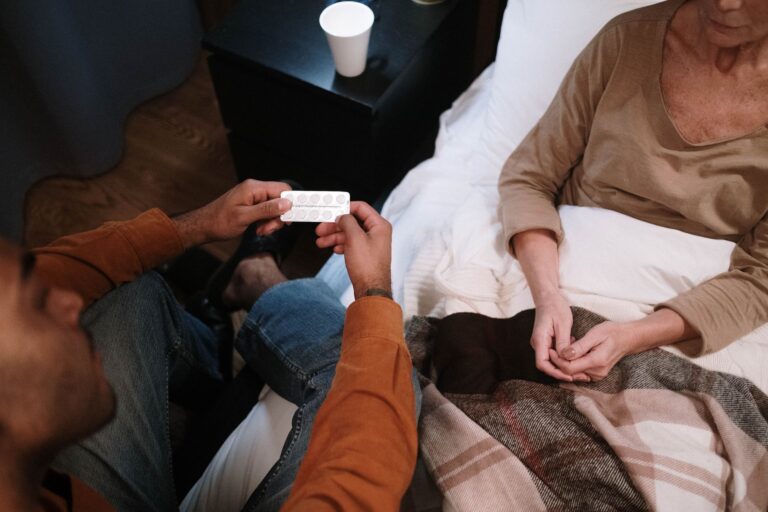
Caregiver burnout shows up as denial, anger, social withdrawal, anxiety, depression, exhaustion, sleeplessness, irritability, trouble concentrating, and new or worsening physical health problems, according to the Alzheimer's Association's warning-sign checklist. These ten signs mark the point where caregiving strain has moved from normal fatigue into a health risk for the caregiver, not just the person with dementia. Dementia caregiving is physically and emotionally demanding in ways that build gradually, so the warning signs often arrive one at a time rather than all at once. Recognizing them early, in yourself or in another family member carrying the load, is what allows a household to act before stress becomes a medical problem.
Medical information disclaimer: This article is for general educational purposes only and does not provide medical advice, diagnosis, or treatment. Always consult a physician or other qualified health professional about symptoms, medications, tests, or treatment decisions.
Table of Contents
- What the ten warning signs actually look like
- How common is this, and why does it happen so often?
- Who carries the heaviest load?
- What burnout costs caregivers beyond stress
- What to do when the signs show up
- Frequently Asked Questions
What the ten warning signs actually look like
The Alzheimer's Association's list groups the signs into emotional, cognitive, and physical categories, and most caregivers experience several at the same time. Denial about the diagnosis and its effects often comes first, followed by anger at the person being cared for or at the situation itself. Social withdrawal — pulling away from friends, hobbies, and activities once enjoyed — tends to follow as caregiving consumes more time.
Anxiety about the future and depression that lingers for weeks are both on the Association's checklist, alongside exhaustion that makes it hard to complete daily tasks and sleeplessness caused by worry or nighttime caregiving duties. Irritability, trouble concentrating, and new or worsening physical health problems round out the list — the last of these is a signal that stress has moved from the emotional realm into the body. No single sign on its own proves burnout. The pattern matters: when several of these show up together and persist, they describe a caregiver whose own health is now at risk alongside the person they are caring for.
How common is this, and why does it happen so often?
Caregiver depression is not a rare outcome. An analysis of CDC survey data from 2015 through 2017 found that nearly 1 in 4 dementia caregivers reported current depression, a rate more than 55% higher than same-age adults who were not caregiving, according to CDC data compiled by the Alzheimer's Association. That gap reflects the specific demands of dementia care rather than aging or illness in general. A newer fact sheet built on more recent CDC survey data shows why the strain runs so deep: more than one-quarter of Alzheimer's and dementia caregivers provide 40 or more hours of care a week, and over 60% have been doing it for at least two years, per the Alzheimer's Association's 2024 CDC-based fact sheet.
That is close to a full-time job, sustained for years, layered on top of a caregiver's existing responsibilities. The hands-on nature of the work compounds the hours. The same fact sheet found that 66.1% of dementia caregivers help with personal care tasks like feeding, dressing, and bathing, and nearly 85% help with household tasks. That daily physical workload is the direct source of the exhaustion and physical health decline that show up on the warning-sign list.
Who carries the heaviest load?
Burnout risk is not spread evenly across caregiving households. Among dementia caregivers putting in 40 or more hours of care a week — the group doing the most physically and emotionally demanding version of this work — more than two-thirds are women, the 2024 CDC-based fact sheet found. In practice, this means the person most likely to be quietly absorbing the heaviest caregiving load in a household is a wife, daughter, or daughter-in-law.
This pattern matters for how a household divides responsibility. If one family member is already providing most of the hands-on personal and household care, that person is statistically the most likely to be carrying undetected burnout, even if they are not the one who raises it first. Checking in specifically with the caregiver doing the bulk of the daily work, rather than assuming the burden is shared evenly, catches warning signs sooner.
What burnout costs caregivers beyond stress
Burnout does not stay contained to mood and sleep — it changes whether caregivers get their own medical needs met. The same CDC-based analysis found that 1 in 8 dementia caregivers went without a doctor visit they needed in the prior year because they could not afford it, according to the Alzheimer's Association. That finding shows burnout eroding caregivers' access to their own care, not just their emotional state.
The scale of this problem nationally is large. The Alzheimer's Association's 2026 Facts and Figures report counts more than 7 million Americans living with Alzheimer's and more than 12 million unpaid family caregivers, the population these warning signs are meant to reach. The same report values that unpaid caregiving at $409 billion for 2026 nationally, a figure projected to approach $1 trillion by mid-century in today's dollars — a measure of how many uncompensated hours sit behind the burnout numbers above.
What to do when the signs show up
A caregiver noticing several of these signs in themselves, or a family member noticing them in a primary caregiver, has concrete next steps rather than just awareness. The Alzheimer's Association advises caregivers who regularly notice these stress signs to see their own doctor, and points to a caregiver self-assessment questionnaire developed by the American Medical Association as a practical screening tool, according to the Association's guidance. Practical starting points for a household noticing these signs: A caregiver who takes action on an early sign — one night of better sleep, one rescheduled doctor visit, one task handed to another family member — is addressing the problem while it is still manageable, before it compounds into the kind of depression and health decline the CDC data describes.
- Schedule the caregiver's own overdue medical appointments first, since unaddressed physical symptoms are one of the ten warning signs.
- Use the AMA caregiver self-assessment questionnaire as a starting conversation with a doctor rather than trying to self-diagnose burnout.
- Redistribute specific personal-care or household tasks among family members rather than assuming the current division is fixed.
- Treat two years or more of caregiving, or 40-plus hours a week, as a signal to actively check for burnout symptoms, not just react once they appear.
Frequently Asked Questions
Is caregiver burnout the same as normal tiredness?
No. The Alzheimer's Association's checklist treats burnout as a pattern of several persistent signs — such as depression, exhaustion, and new physical health problems together — not a single tired day.
How many hours of caregiving typically lead to burnout risk?
More than one-quarter of dementia caregivers provide 40 or more hours of care weekly, and over 60% have done so for at least two years, the load most associated with the warning signs described above.