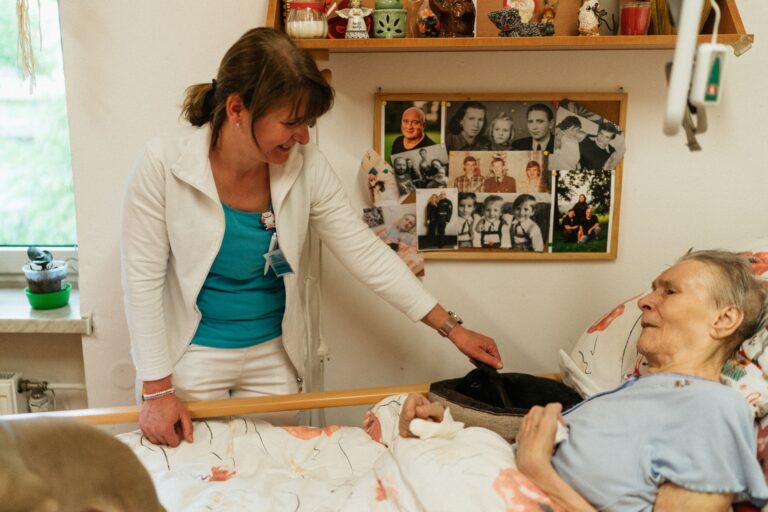
When a dementia caregiver faces an unexpected health crisis, family emergency, or burnout that makes immediate care impossible, emergency respite care offers a critical lifeline. Unlike planned respite arrangements, emergency respite care is designed to activate quickly—sometimes within hours—to provide temporary supervision and care for a person with dementia while the primary caregiver manages an urgent situation. Families can access emergency respite through adult day programs that hold emergency slots, temporary residential facilities, licensed home care agencies that offer on-call staffing, local Area Agencies on Aging, hospital discharge planners, and nonprofit dementia organizations.
The landscape of emergency respite is fragmented and varies dramatically by location, but the core mission is consistent: preventing crisis situations from escalating into hospitalizations, unsafe home situations, or permanent placement before families have time to arrange alternatives. A spouse who suffers a heart attack, a caregiver who requires emergency surgery, or a family member whose own health deteriorates suddenly should not face the impossible choice of leaving a person with dementia unsupervised or arriving late to their own medical appointment. Emergency respite exists precisely to prevent these situations.
Medical information disclaimer: This article is for general educational purposes only and does not provide medical advice, diagnosis, or treatment. Always consult a physician or other qualified health professional about symptoms, medications, tests, or treatment decisions.
Table of Contents
- What Triggers the Need for Emergency Respite Care?
- Types of Emergency Respite Services and Their Limitations
- Finding Emergency Respite Resources in Your Area
- Preparing for Emergency Respite Before a Crisis Strikes
- Cost, Insurance, and Coverage Gaps
- The Caregiving Burden and When Emergency Respite Becomes Survival
- Building a Personal Emergency Plan
What Triggers the Need for Emergency Respite Care?
Emergency respite care becomes necessary when the primary caregiver cannot provide care for reasons outside normal planning. The most common triggers include acute health events—when a spouse has chest pain and must go to the emergency room immediately, when an adult child must rush to the hospital because their parent has been in an accident, or when a live-in caregiver becomes suddenly ill. Other emergencies include family crises like a death in the family requiring travel, a job-related emergency that demands the caregiver’s immediate presence, or mental health crises where the caregiver needs acute psychiatric care.
The stakes of not having emergency respite available can be severe. A caregiver without backup might leave a person with moderate to advanced dementia alone, risking falls, medication errors, wandering, or kitchen fires. Alternatively, they might delay critical medical care for themselves, which only postpones the crisis while allowing the caregiver’s own health to deteriorate further. Some families end up making rushed, permanent decisions—moving a family member into a facility prematurely or hiring unlicensed help in desperation—when a short-term emergency solution would have bought time for thoughtful planning.
Types of Emergency Respite Services and Their Limitations
Emergency respite takes several forms, each with different activation times and suitability profiles. In-home emergency respite deploys a care worker to the home, usually within a few hours to a day, and is ideal when a person with dementia is most stable at home but has some supervision needs. Facility-based emergency respite—beds held in adult day programs, assisted living communities, or dedicated respite houses—allows overnight or multi-day stays and works better for people with more intensive care needs or behavioral challenges. Some skilled nursing facilities reserve respite beds, though these are increasingly rare as Medicare reimbursement pressures mount.
A significant limitation is availability: many regions have no reliable emergency respite system at all. Rural areas are particularly underserved, with caregivers sometimes forced to drive 45 minutes or more to access any facility-based option. Even in urban areas, emergency respite beds often fill quickly during winter months when caregiver illness is highest, leaving families with no option when they need it most. Waiting lists for even non-emergency respite can be months long, and truly last-minute emergency slots may not exist except in large medical centers. Additionally, a person with dementia who becomes agitated, combative, or has refused a particular facility in the past cannot simply be placed there in an emergency—the mismatch can create additional crisis rather than resolving it.
Finding Emergency Respite Resources in Your Area
The first place to contact is the local Area Agency on Aging, which exists in every U.S. state and maintains lists of respite providers. Calling the Eldercare Locator (1-800-677-1116) will connect you to your local agency within minutes. The Caregiver Action Network and the Alzheimer’s Association both maintain online directories of respite resources, though availability and accuracy vary by region—some listings may reference programs that have closed or changed their policies. Memory care communities often know which facilities in the area maintain emergency beds, and they may be willing to help you navigate options.
Hospital discharge planners and social workers should be asked directly about emergency respite when a family member with dementia is hospitalized. This is the moment to establish what quick-access options exist before the next crisis arrives. However, a warning: do not assume a discharge planner’s suggestion is exhaustive or current. Follow up by contacting providers directly, because funding for respite programs changes annually, beds are often cut during budget crunches, and a resource listed as “emergency” may actually require 48-hour notice or have exclusion criteria that rule out your family member. Asking specific questions—”Can you accept someone today?”, “What behavioral issues do you accept?”, “What is your maximum capacity?”—matters more than consulting a general list.
Preparing for Emergency Respite Before a Crisis Strikes
The most effective emergency respite strategy is to arrange it in advance, during calm periods when a person with dementia is stable and the caregiver is not in crisis mode. This means identifying one or two facilities within reasonable distance, scheduling a visit with your family member present, confirming acceptance criteria in writing, and completing intake paperwork before any emergency. Some facilities allow a short trial stay—a few hours or an overnight—so the person with dementia can become familiar with the environment and staff, which dramatically reduces anxiety and behavioral problems if a real emergency forces a sudden placement.
Documenting medical information, medications, behavioral triggers, and comfort measures in a portable summary greatly speeds up emergency placement. Include a recent photo, cognitive and functional baseline, list of words or phrases the person uses, preferred activities, and any foods or care approaches that trigger distress. Keeping this document updated and providing copies to your emergency respite contact person eliminates the scramble to communicate this critical information when time matters. The tradeoff is that maintaining these documents requires ongoing effort, but the time saved during an actual emergency—and the reduced risk of medication errors or behavioral crises due to miscommunication—makes this investment worthwhile.
Cost, Insurance, and Coverage Gaps
Emergency respite care costs vary widely depending on type and location: in-home care typically runs $20 to $40 per hour, while facility-based respite ranges from $150 to $400 per day or more for specialized memory care. Medicare does not cover respite care, a significant gap for older adults on fixed incomes. Medicaid covers respite in some states as part of home and community-based services waiver programs, but eligibility and benefit limits vary dramatically—some states fund only a few days per year, while others provide more generous access. Private long-term care insurance occasionally covers respite, but only if the policy was purchased years in advance and includes respite as a rider.
A persistent limitation is that funding levels have not kept pace with demand, leaving many facilities unable to maintain true emergency availability. Some programs advertise emergency respite but require insurance pre-authorization, which defeats the purpose of emergency access—by the time authorization is obtained, several hours or a day have passed. Caregivers without Medicaid and without savings face a genuine access barrier. Some nonprofit organizations offer subsidized or free emergency respite based on income, and Veterans Affairs provides respite for eligible military families, but these programs are often under-resourced and have waiting lists. Asking about sliding-scale fees and emergency assistance programs when contacting providers is essential, because fee structures are sometimes negotiable in true emergencies.
The Caregiving Burden and When Emergency Respite Becomes Survival
Caregiver burnout is not a psychological weakness—it is a predictable outcome of 24/7 care without breaks. Studies have documented that dementia caregivers experience depression, anxiety, and health decline at rates far above the general population. Without access to respite, even planned or regular breaks, caregivers who initially wanted to provide care at home may become so depleted that they make crisis decisions or experience their own health emergencies.
A daughter who has been managing her mother’s dementia for three years without a single night away, who skipped her own colonoscopy screening, and who stopped seeing friends is not depressed because she is weak—she is in a care situation that has become unsustainable. Emergency respite serves a second function beyond crisis management: it can prevent the crisis from happening in the first place. Some caregivers access emergency respite not because of an acute incident but because they recognize they are reaching their limit and need a desperately overdue break. Using emergency respite for this purpose—as a pressure release valve when regular respite is unavailable or insufficient—is not gaming the system; it is keeping a caregiver and care recipient from tipping into genuine emergency.
Building a Personal Emergency Plan
Creating a written emergency respite plan involves identifying a specific facility or agency, obtaining their direct emergency phone number, understanding their activation procedures, and having realistic backup options in case the first choice is unavailable. Including trusted family members, close friends, or paid care managers in this plan is critical—they need to know the plan exists and how to activate it if the primary caregiver becomes unable to do so. A copy should be filed with the person’s medical records, given to the primary care physician, and updated annually.
The most practical approach is to establish a relationship with one respite provider before an emergency. Introduce yourself and your family member, ask to tour the facility, and ask what the process looks like if you need to call at midnight saying your caregiver is in the hospital and you need placement tomorrow. The answer to that question—whether the provider responds with “yes, we can do this” or “we have a six-month waiting list”—tells you whether this is a real option or just a name on a list. Having one confirmed, concrete plan in place is worth far more than a folder full of general resources and provider names.