Electronic Health Records (EHRs) — the digital charts clinics keep for visits, diagnoses, and prescriptions — can now link dementia patients and spouses for research in 2026, but they rarely change daily care yet. The linkage methods work in pilots, yet routine use is limited and treatment pathways stay narrow.
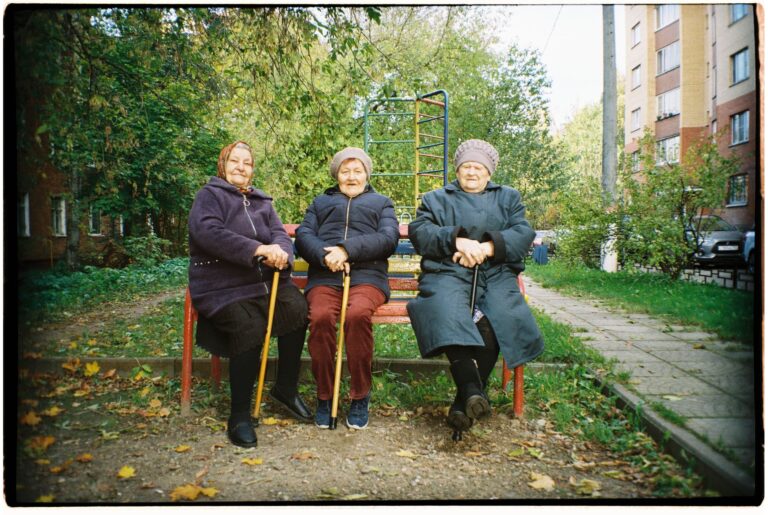
About 12 million unpaid caregivers provide very large amounts of dementia care in the United States. Spouses and partners who live with the person carry much of that daily load. Better linked records could help researchers see those pairs, but clinic care still depends on what is coded, confirmed, and covered.
Medical information disclaimer: This article is for general educational purposes only and does not provide medical advice, diagnosis, or treatment. Always consult a physician or other qualified health professional about symptoms, medications, tests, or treatment decisions.
Table of Contents
- What patient-spouse linking can do now
- Why clinic records still miss dementia
- Why spouses and partners feel the gap first
- Why most new findings do not change treatment yet
What patient-spouse linking can do now
Canadian researchers found it is feasible to join dementia-patient and caregiver records using primary-care surveillance data. As reported in Annals of Family Medicine, few systems allow that routine patient-caregiver linkage for proactive care and research, described in the Canadian pilot report. That means dyadic linkage — joining one record for the person with dementia and one for the care partner — is possible, not normal.
A spouse may be named in notes but not linked as a caregiver in a searchable field. Research teams can study pairs after extra matching work. Clinics often cannot pull up the pair automatically at a visit.
Why clinic records still miss dementia
Structured EHR dementia diagnoses are often specific but incomplete. In 101,980 linked patients, they showed 99.0% specificity but only 56.1% sensitivity versus Medicare claims, according to Duke researchers, detailed in the Duke validation study. High specificity means a coded diagnosis is seldom wrong.
Low sensitivity means many true cases lack a usable code. A spouse may know memory, safety, or behavior has changed. The chart may still show no dementia code, an old code, or only vague terms. Research built only on codes then misses people who need help now.
Why spouses and partners feel the gap first
Spouse caregivers report lower social support and higher burden than other relatives, and living with the care recipient raises burden further. That pattern is reported in Innovation in Aging, summarized in the caregiver-burden abstract.
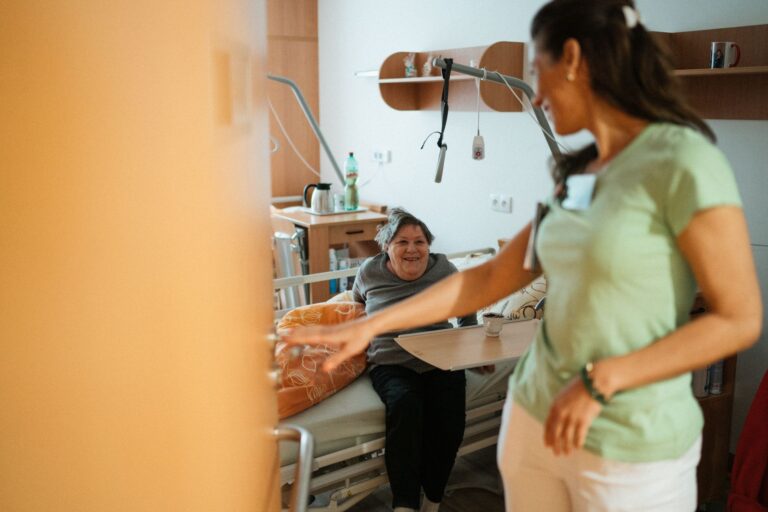
A partner often manages medicines, meals, sleep disruption, wandering risk, and appointments. When the EHR does not flag the spouse as caregiver, support offers and follow-up may go to the wrong person or arrive late. Research progress does not fix missed calls, respite gaps, or stress at home.
Why most new findings do not change treatment yet
Medicare covers the FDA-approved amyloid antibodies lecanemab and donanemab only for early disease with confirmed amyloid when clinicians enter data in a CMS registry. That narrow path is explained by the Alzheimer's Association, outlined on the Medicare coverage page. Most EHR signals do not meet those terms.
A risk score, phenotype flag, or missing-code correction is not confirmation of early disease. It also is not amyloid proof or registry entry. Spouses can still take practical steps at the clinic:.
- Ask how dementia and caregiver status are coded in the chart.
- Ask that spouse or partner contact details appear as caregiver, not only emergency contact.
- Bring a short list of daily changes, medicines, falls, and sleep issues.
- Ask what next test, referral, or support service the code triggers, and when to return.
You Might Also Like
- The Long-Term Care Data Cooperative and Dementia Research in 2026: What Researchers Still Need to Learn for Spouses and Partners
- Home-Based Dementia Care Research Priorities in 2026: A Source-Checked Briefing for Working Dementia Caregivers
- The 2026 NIA Workshop on Comprehensive Dementia Care Models: What Working Dementia Caregivers Can Check in Their Community