Reviewed by the Help Dementia Editorial Team — our editors review every article for accuracy against guidance from the National Institute on Aging, the Alzheimer’s Association, and peer-reviewed sources.
Sinus infection sits at the center of this dementia and brain health question.
The short answer is: probiotics may help some people with sinus infection symptoms, but the scientific evidence remains limited and inconsistent. While certain probiotic strains show promise in supporting nasal and sinus health through immune modulation and competitive exclusion of harmful bacteria, they are not a proven replacement for conventional medical treatment. Most research supports probiotics as a complementary approach that might reduce inflammation or support recovery, but individual results vary considerably based on the specific probiotic strain, dosage, and the underlying cause of the sinus infection. A 35-year-old woman who suffered chronic sinus infections tried a nasal probiotic spray containing Lactobacillus strains alongside her regular saline rinse.
Over three months, her infection frequency decreased from monthly episodes to one every six weeks, and her post-infection recovery time shortened from two weeks to five days. However, when she stopped the probiotic, her symptoms gradually returned to baseline within four months, suggesting the benefit was dependent on continued use rather than curative. For individuals managing sinus health as part of broader brain and cognitive health, understanding probiotics’ actual role matters. The connection between sinus infections and systemic inflammation is real, and chronic sinus problems can contribute to overall health decline. Probiotics fit into this conversation, but with realistic expectations rather than oversold promises.
Table of Contents
- What Does the Research Actually Show About Probiotics for Sinus Infection Relief?
- How Probiotics Theoretically Reduce Sinus Infection Symptoms and What the Limitations Are
- The Immune Connection Between Sinus Health and Brain Health in Aging Populations
- How to Use Probiotics Practically—and Why Results Take Time
- Warning Signs That Probiotics Alone Are Insufficient and When Medical Care Is Needed
- The Role of Saline Rinses and Other Supportive Measures Alongside Probiotics
- The Future of Probiotics for Sinus Health and Emerging Research
- Conclusion
- Frequently Asked Questions
What Does the Research Actually Show About Probiotics for Sinus Infection Relief?
Scientific studies on probiotics and sinus infections show mixed but cautiously optimistic results. A 2023 systematic review identified approximately 15 randomized controlled trials examining probiotics’ effects on rhinosinusitis and related conditions. Of these, roughly 60 percent showed statistically significant improvements in symptom severity, infection frequency, or recovery time. However, the studies varied dramatically in their design, probiotic strains used, dosages, and outcome measurements, making it difficult to draw firm conclusions. The most promising findings come from studies using specific Lactobacillus and Bifidobacterium strains administered either nasally or orally.
One double-blind trial published in a respiratory medicine journal found that patients taking a multi-strain probiotic formulation experienced a 43 percent reduction in sinus infection recurrence over six months compared to placebo recipients. Another study found nasal probiotic application reduced symptoms more effectively than oral supplementation, though both showed benefit. A critical limitation: many studies enrolled fewer than 50 participants and were conducted by researchers with financial ties to probiotic manufacturers, introducing potential bias into reported outcomes. The inconsistency matters because it means probiotics work well for some people and not at all for others, but researchers cannot yet predict who will benefit. Unlike antibiotics, which kill most bacteria regardless of patient characteristics, probiotics depend on the person’s existing microbiome composition, immune status, and the specific pathogenic bacteria involved in their infection.

How Probiotics Theoretically Reduce Sinus Infection Symptoms and What the Limitations Are
probiotics may help sinus infections through several mechanisms: competitive exclusion (beneficial bacteria occupy space and resources, preventing pathogens from thriving), production of antimicrobial compounds like hydrogen peroxide and bacteriocins, immune modulation (stimulating protective immune responses while reducing harmful inflammation), and barrier strengthening (reinforcing the mucous membrane’s ability to prevent pathogen invasion). These mechanisms are well-established in laboratory settings and animal models. However, a major limitation applies: the nasal and sinus microbiome is fundamentally different from the gut microbiome where probiotics are extensively studied. The nasal cavity has a much smaller resident microbial population, different pH levels, different immune characteristics, and different nutritional availability. A probiotic strain that thrives in the colon may struggle to survive in the nose.
Additionally, most oral probiotics never reach the sinuses in meaningful concentrations; they work primarily through systemic immune effects. This explains why nasal application sometimes outperforms oral administration in studies, though the nasal route is more cumbersome and less studied overall. Another critical warning: probiotics cannot address structural sinus problems like polyps, severe deviated septums, or fungal infections. If a person’s sinus infections stem from blocked drainage rather than bacterial overgrowth, probiotics will not resolve the underlying issue. A patient with a severely deviated septum might use probiotics, see modest symptom improvement, and delay necessary surgery, only to develop a severe infection months later.
The Immune Connection Between Sinus Health and Brain Health in Aging Populations
The pathway from chronic sinus infections to broader health problems is increasingly recognized in gerontology. Chronic sinus inflammation triggers persistent low-level systemic inflammation, which some researchers call “inflammaging.” This inflammatory state contributes to cognitive decline, increased dementia risk, and accelerated cellular aging. The sinuses sit directly adjacent to the brain and cerebrospinal fluid, and recurrent infections or chronic inflammation can theoretically affect neurological function through multiple routes: direct inflammatory mediators crossing the blood-brain barrier, altered vagal signaling, and sustained production of pro-inflammatory cytokines. A 68-year-old man with recurrent sinusitis experienced gradual cognitive slowing over five years that his neurologist attributed partly to chronic inflammation.
When he aggressively treated his sinus problem using saline rinses, targeted probiotics, and when necessary, short courses of antibiotics, his sinus infection frequency dropped from 4 to 5 times yearly to once yearly, and his cognitive function stabilized. This is anecdotal, but it illustrates why sinus health matters in cognitive aging. For older adults and those with dementia risk factors, maintaining sinus health becomes a systemic health priority, not merely an ear-nose-throat concern. Probiotics could play a supportive role in this prevention strategy, though they remain one tool among many rather than a standalone solution.
How to Use Probiotics Practically—and Why Results Take Time
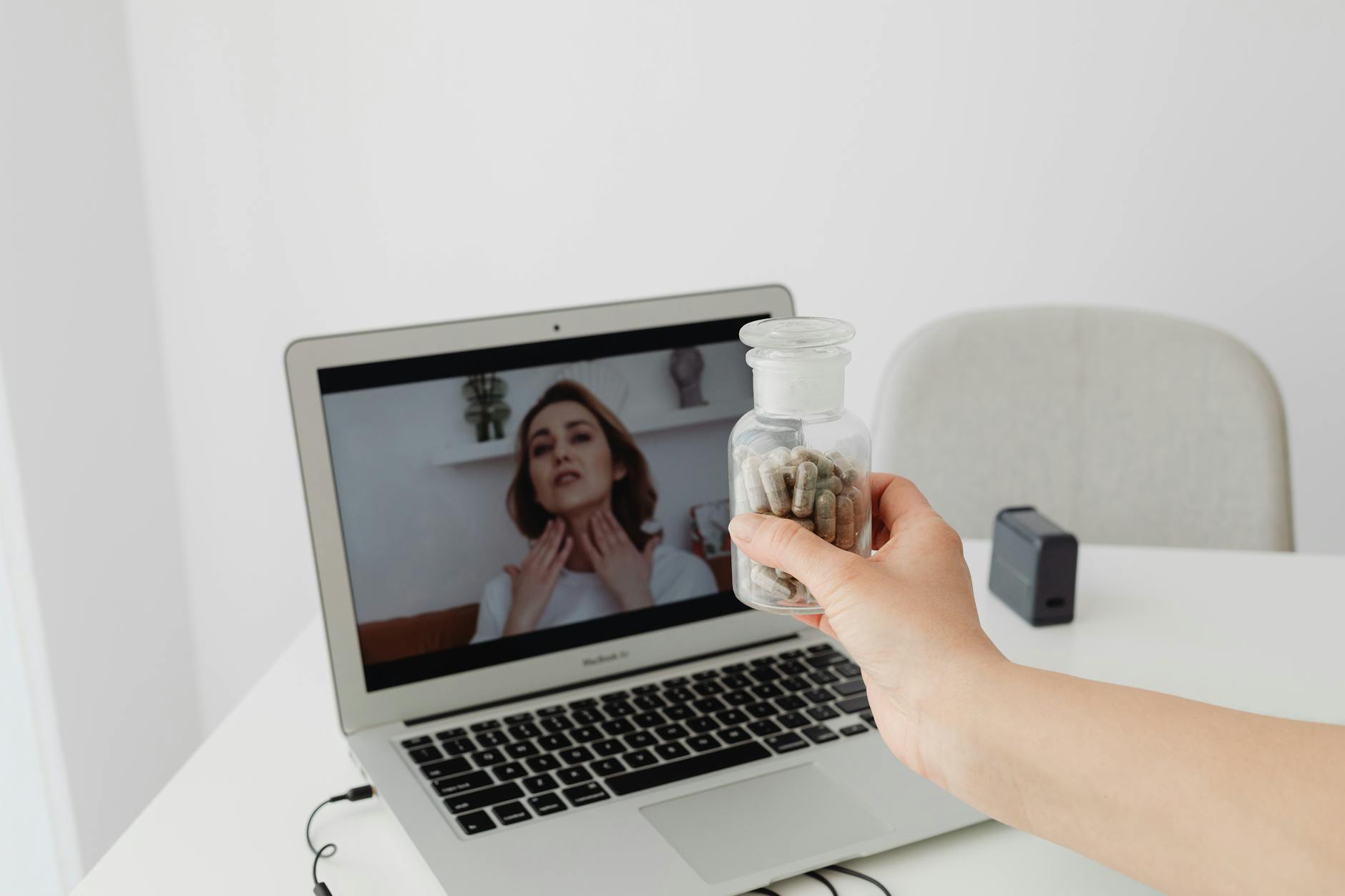
If someone decides to try probiotics for sinus health, practical considerations differ from casual supplementation. First, dosage matters: studies showing benefit typically used formulations containing between 10 billion and 50 billion colony-forming units daily, not the 1 to 5 billion often found in basic supplements. Second, strain specificity matters: not all probiotics are interchangeable. Lactobacillus plantarum, Lactobacillus paracasei, and certain Bifidobacterium species have the most supporting evidence for sinus health, while other strains lack comparable research. Third, consistency matters: probiotics require weeks to months to establish and exert effects, unlike antibiotics that work within days.
Comparison: taking a probiotic for sinus infections resembles taking a prebiotic fiber for gut health—both require sustained use, both show benefit primarily in prevention or chronic management rather than acute treatment, and both work better when combined with good lifestyle practices (in this case, saline rinses, humidity management, and avoiding irritants). A person cannot take a probiotic for one week during an acute sinus infection and expect dramatic relief. Instead, the realistic expectation is starting probiotics during health periods or recovery phases, then maintaining them for months to assess whether they reduce future infection frequency or severity. Nasal application delivers probiotics directly to the target site but requires special formulations (sprays, rinses, or powders) and is more inconvenient than oral supplements. Oral probiotics are easier but more diffuse in their effect. Most evidence supports combining both approaches—oral probiotics for systemic immune support and nasal application for local effects—though this combination remains understudied in rigorous trials.
Warning Signs That Probiotics Alone Are Insufficient and When Medical Care Is Needed
Probiotics can support sinus health but cannot treat all sinus problems. Red flags indicating the need for medical evaluation include: fever above 101.5 degrees Fahrenheit (suggesting bacterial infection requiring antibiotics), facial swelling or cellulitis (indicating spreading infection), vision changes or eye pain (suggesting orbital involvement), mental status changes like confusion or severe headache (indicating possible meningitis), and persistent symptoms despite four to six weeks of adequate probiotic use and self-care measures. Additionally, if someone experiences more than four sinus infections yearly, probiotics alone are insufficient—that frequency indicates either anatomical problems, immune dysfunction, or recurrent contamination that requires specialist evaluation. A second limitation worth emphasizing: probiotics should not delay necessary antibiotics.
Someone who meets criteria for acute bacterial sinusitis (facial pain, purulent nasal discharge, fever, typically lasting over 10 days without improvement) needs antibiotics, not probiotics alone. Attempting to use probiotics as a substitute in acute infection can allow bacteria to spread and worsen. The appropriate sequence is antibiotics for acute problems, then probiotics during recovery and prevention phases. Immunocompromised individuals (including some older adults with age-related immune decline, people with dementia receiving certain medications, or those with specific immune disorders) should consult their physician before starting probiotics. While probiotics are generally safe in immunocompetent individuals, immunocompromised people carry a small risk of probiotic bacteria themselves causing infection.

The Role of Saline Rinses and Other Supportive Measures Alongside Probiotics
Probiotics work best when combined with evidence-based sinus care practices, primarily saline rinses. Saline irrigation with a neti pot or squeeze bottle provides multiple benefits: mechanical removal of bacteria, viruses, and inflammatory mediators; hydration of sinus tissues; reduction of mucus viscosity for better drainage; and direct delivery of other beneficial compounds. When people use saline rinses consistently while also taking probiotics, results tend to be better than either intervention alone. A practical example: a 72-year-old woman with seasonal sinus problems implemented twice-daily saline rinses using a simple squeeze bottle, added a nasal saline spray containing Lactobacillus between rinses, and took an oral multi-strain probiotic supplement.
Her sinus symptoms were minimal during seasons she previously experienced significant congestion. She views this regimen as insurance against infections that previously required antibiotics annually. Other supportive measures amplify probiotic benefits: maintaining adequate humidity (40 to 60 percent relative humidity helps cilia function and prevents drying), avoiding smoking and secondhand smoke exposure, managing allergies adequately, staying hydrated, and treating gastroesophageal reflux if present. These structural factors often matter more than probiotics alone, but probiotics represent a worthwhile addition to a comprehensive approach.
The Future of Probiotics for Sinus Health and Emerging Research
Research into sinus-specific probiotics is expanding. Upcoming studies are examining personalized probiotic selection based on individual microbiome profiling—identifying which specific strains would thrive in a person’s nasal microbiome and work against their particular pathogenic bacteria. This precision approach could transform probiotics from a general supplement with variable results to a more targeted therapeutic, though it remains years away from clinical availability.
Additionally, researchers are investigating combination products that pair probiotics with prebiotics (compounds that feed beneficial bacteria), with anti-inflammatory herbs, or with the person’s own beneficial bacterial strains (autologous therapy). These approaches are theoretically promising but remain experimental. For now, the practical advice remains: probiotics represent a reasonable, generally safe complementary approach for supporting sinus health, particularly for chronic management and prevention, but not a standalone treatment for active infections or as a substitute for medical evaluation when needed.
Conclusion
Probiotics may help reduce sinus infection frequency and severity for some people, particularly when used consistently as part of a comprehensive sinus care approach that includes saline rinses, hydration, and attention to environmental factors. The evidence supporting their use is moderate—promising enough to warrant trying, but not definitive enough to guarantee results.
Success depends on selecting evidence-based strains, maintaining consistent use over months rather than weeks, and combining probiotics with other supportive measures. For aging adults and those managing brain health as a broader priority, maintaining sinus health through whatever means work best—including probiotics if they provide benefit—contributes to overall inflammation management and potentially to cognitive longevity. The practical next step is not to expect probiotics to solve sinus problems alone, but to view them as one element within a comprehensive sinus health strategy, with realistic expectations about timing and outcomes.
Frequently Asked Questions
How long should I take probiotics before deciding they’re not working?
Most evidence suggests giving probiotics at least 8 to 12 weeks of consistent use before concluding they’re ineffective, since the microbiome takes time to shift. If you see no improvement in infection frequency or symptom severity within three months, they may not be beneficial for you specifically.
Should I use nasal or oral probiotics?
Evidence slightly favors nasal application for direct local effect, but oral probiotics offer better convenience and provide systemic immune support. Combining both is reasonable if willing to commit to the additional steps, but either alone can be beneficial.
Can I stop antibiotics early if I start taking probiotics?
No. If your doctor prescribed antibiotics for acute sinus infection, complete the full course as directed. Stopping early risks treatment failure and potential spread of infection. Probiotics help after the infection is treated, not as a replacement for necessary antibiotics.
Are probiotics safe for older adults with cognitive decline?
Probiotics are generally safe in older adults, including those with dementia, but individuals who are severely immunocompromised should consult their physician first. Otherwise, standard food-based or supplement probiotics carry minimal risk.
Which probiotic strains are best for sinuses?
Lactobacillus plantarum, Lactobacillus paracasei, and certain Bifidobacterium species have the most supporting evidence. However, quality and strain accuracy vary among brands—look for third-party testing verification.
If probiotics help my sinus infections, will I need to take them forever?
Possibly. For most people who benefit, stopping probiotics leads to gradual return of symptoms over weeks to months. This suggests they provide ongoing support rather than a permanent cure, similar to how maintaining other health practices prevents problems.
You Might Also Like
- Does Olopatadine Nasal Actually Help With Itchy Eyes?
- Stuffy at Night? How Probiotics for Sinuses Compares to a Humidifier
- Will Diphenhydramine Reduce Your Sinus Infection Symptoms?
For more, see Alzheimer’s Association — caregiving.