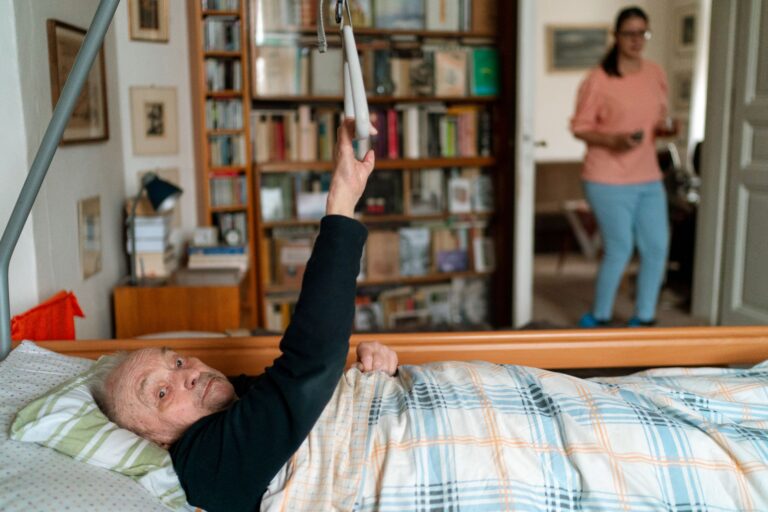
Yes, daylight saving time changes can worsen Alzheimer's symptoms. The main problem is stronger late-day confusion and agitation. That pattern is called sundowning, and the Alzheimer's Association says clock changes and shorter daylight can intensify it Alzheimer's Association guidance.
Sundowning brings pacing, disorientation, anxiety, and agitation late in the day. Sundowning often starts or worsens as daylight fades. The National Institute on Aging notes it often peaks when tired caregivers need a break National Institute on Aging coping guide. That timing makes even a one-hour shift hard for the whole household.
Medical information disclaimer: This article is for general educational purposes only and does not provide medical advice, diagnosis, or treatment. Always consult a physician or other qualified health professional about symptoms, medications, tests, or treatment decisions.
Table of Contents
- Why do evenings get harder after a time change?
- Does season itself affect thinking?
- Why does spring carry extra strain?
- What calms the evening after a time change?
Why do evenings get harder after a time change?
A clock shift changes light, meals, activity, and bedtime at once. For a person with dementia, small changes in routine can increase confusion. Darker evenings also bring more shadows and lower light. Mayo Clinic lists exhaustion, low lighting and shadows, and a disrupted internal clock among sundowning contributors. It also lists unfamiliar settings, pain, depression, medication effects, and infection.
After a time change, the first three often rise together. That overlap matters. A tired person faces a darker living room with a body clock set to yesterday. Agitation, pacing, and harder communication can follow. Watching light, rest, and comfort helps explain a rough first week.
Does season itself affect thinking?
Yes, average test scores vary by season. In a 3,353-person multi-cohort study, Lim and colleagues found average global cognition was higher in summer and fall than in winter and spring PubMed study record. The gap equaled about 4.8 years of age-related difference. The same study found higher odds of meeting criteria for mild cognitive impairment or dementia in winter and spring.
Mild cognitive impairment means measurable thinking problems beyond normal aging. Dementia means more severe loss that affects daily life. This is an average pattern, not a personal forecast. Many people show no clear seasonal change. Still, fall and spring clock shifts land during lower-light seasons when thinking may already be less sharp.
Why does spring carry extra strain?
The spring shift cuts sleep and shifts the body clock. The American Academy of Sleep Medicine states the spring shift brings public-health risks including adverse heart events, mood disorders, and crashes from sleep loss and circadian misalignment AASM position statement summary. Circadian misalignment means the body clock no longer matches sleep time and daylight. For dementia care, lost sleep plus a shifted rhythm can mean a harder next day.
Exhaustion feeds irritability and confusion. A misaligned clock can push alertness later and restlessness into the night. Caregivers feel this too. Broken sleep lowers patience during the exact evening hours when support needs rise. Protecting sleep for both people becomes part of symptom control.
What calms the evening after a time change?
Keep the day structured and bright, then make the evening calm and well lit. The National Institute on Aging coping guide recommends daytime light, activity, and steadier routines. It also stresses limits on evening stimulants and better evening lighting.
Start these steps a few days before the clock changes when possible. Keep them going for at least a week after. If agitation spikes, check for pain, poor sleep, new medication effects, or infection and call the care team promptly.
- Keep wake, meals, activity, and bedtime consistent for several days.
- Get daylight and movement during the morning and afternoon.
- Limit evening caffeine and alcohol.
- Turn on warm, even lighting before sunset to cut shadows.
- Keep the evening quiet, familiar, and simple.