Reviewed by the Help Dementia Editorial Team — our editors review every article for accuracy against guidance from the National Institute on Aging, the Alzheimer’s Association, and peer-reviewed sources.
Doctors say sits at the center of this dementia and brain health question.
Yes, doctors increasingly recognize that loss of interest in hobbies and activities a person once enjoyed—a condition called anhedonia—can be an early warning sign of dementia. When someone gradually stops engaging in lifelong passions without a clear reason like depression or medication changes, it may signal underlying cognitive decline. For example, a retired teacher who spent 30 years painting landscapes but suddenly abandons her studio, despite having more free time than ever, could be experiencing this symptom of early dementia rather than mere boredom or burnout.
This symptom often appears before memory problems become obvious, making it particularly important for families and caregivers to recognize. The loss of interest reflects changes in the brain’s reward system and executive function—the parts responsible for motivation, planning, and enjoyment. Unlike temporary disinterest caused by stress or seasonal mood changes, dementia-related anhedonia is persistent, unexplained, and represents a genuine shift in personality and behavior that others notice and comment on.
Table of Contents
- Why Do Doctors Consider Loss of Hobbies an Early Dementia Red Flag?
- How Loss of Interest in Hobbies Differs from Normal Age-Related Changes
- The Connection Between Hobbies and Cognitive Reserve
- What Families Should Do When They Notice Declining Interest in Hobbies
- Distinguishing Between Anhedonia and Understandable Loss of Interest
- The Role of Motivation and Executive Function in Hobby Engagement
- Why Early Recognition Matters and What the Future Holds
- Conclusion
Why Do Doctors Consider Loss of Hobbies an Early Dementia Red Flag?
Neurologically, the desire to engage in hobbies depends on several brain systems working together. The prefrontal cortex manages planning and decision-making. The nucleus accumbens processes reward and motivation. The temporal lobes support memory and emotional connections to activities. When dementia begins damaging these regions, a person may intellectually remember that they enjoyed gardening or chess, but the emotional pleasure and motivation to actually do it disappears.
This symptom is particularly significant because it often surfaces years before memory loss becomes noticeable to strangers. A neurologist might see a 62-year-old patient who still scores normally on memory tests but reports that their spouse has completely stopped the woodworking hobby they’d pursued for 40 years. The spouse can’t quite explain why—they just don’t feel like doing it anymore. This disconnect between preserved memory and lost motivation is a hallmark of early cognitive change. The advantage of catching this symptom early is that interventions, lifestyle changes, and sometimes medications can potentially slow cognitive decline. The limitation is that anhedonia has many causes—depression, sleep apnea, medication side effects, vitamin deficiencies, and normal aging can all reduce interest in activities—so doctors must carefully distinguish between dementia-related changes and other treatable conditions.

How Loss of Interest in Hobbies Differs from Normal Age-Related Changes
Normal aging often brings practical changes in hobby engagement: an 75-year-old might give up tennis because of joint pain, or stop gardening because bending hurts their back. These are rational, physical limitations with clear causes. The person usually acknowledges the reason and may find modified versions of the activity or substitute activities instead. By contrast, dementia-related anhedonia typically has no identifiable physical barrier, and the person often can’t articulate why they’ve lost interest. A key warning sign is when someone abandons multiple hobbies simultaneously or loses interest in social activities connected to those hobbies.
Someone with normal aging might retire from competitive running but still walk and socialize. Someone experiencing early dementia might stop running, stop attending running club meetings, stop following running news, and stop socializing with their running friends—all seemingly at once. This widespread loss of engagement suggests a central motivational problem rather than activity-specific difficulty. It’s important to recognize that loss of interest can also accompany depression or other mood disorders in older adults, and depression and early dementia sometimes occur together. A doctor needs to evaluate the full clinical picture, including mood, sleep, medical history, and cognitive testing. The limitation here is that distinguishing between depression-caused anhedonia and dementia-caused anhedonia requires careful assessment and sometimes ongoing observation.
The Connection Between Hobbies and Cognitive Reserve
Hobbies and leisure activities are not frivolous—they’re crucial for building and maintaining cognitive reserve, which is the brain’s ability to cope with damage and continue functioning. Someone who regularly engages in challenging hobbies like learning languages, playing music, solving puzzles, or reading develops stronger neural networks. This reserves helps the brain compensate if dementia begins damaging certain regions. When someone with early dementia loses interest in the very activities that had been protecting their cognitive function, a dangerous cycle begins.
The reduction in mental stimulation may accelerate cognitive decline, while paradoxically, early cognitive decline reduces the motivation to engage in those protective activities. An amateur violinist who developed remarkable dexterity and auditory processing through decades of playing might experience early dementia that makes them lose the motivation to play, thereby removing one of their strongest cognitive protections. The real-world implication is that family members who notice a loved one abandoning their hobbies should take this seriously as a potential symptom rather than assume the person just needs a break or has become lazier. Gently encouraging re-engagement in hobbies, or investigating other causes of lost interest, could make a meaningful difference in outcomes.

What Families Should Do When They Notice Declining Interest in Hobbies
If you notice a spouse, parent, or relative gradually losing interest in lifelong hobbies, the first step is a medical evaluation. Schedule an appointment with their primary care doctor and clearly describe the changes you’ve observed, including when they started, how complete the withdrawal is, and whether other changes have occurred. Bring a list of the abandoned hobbies, because doctors sometimes don’t realize the extent of change without seeing it laid out. During the medical visit, doctors will typically rule out treatable causes: check medications for side effects that reduce motivation (some blood pressure drugs and pain medications can), test for hypothyroidism and vitamin B12 deficiency, screen for depression and sleep disorders, and assess cognitive function through testing like the Montreal Cognitive Assessment or Mini-Cog.
These tests take 10-20 minutes but can identify reversible problems that mimic dementia. The practical challenge is that people are often resistant to medical evaluation when changes feel gradual or when they believe they’re simply too busy or tired to pursue hobbies. A comparison that sometimes works: explain that this might be like a car’s engine running differently—yes, it still starts, but something’s changed and it’s worth a mechanic’s look. The tradeoff is that pushing too hard for medical evaluation can feel infantilizing or confrontational to an independent adult, so approaching the conversation with respect and genuine concern, rather than alarm, is essential.
Distinguishing Between Anhedonia and Understandable Loss of Interest
Not every loss of hobby engagement signals dementia. People stop activities for legitimate reasons: financial hardship might force someone to stop expensive hobbies like golf, grief might make a couple’s shared activities feel painful, major life transitions like moving or retirement often reshape leisure time, and sometimes people simply change. The critical difference is whether the person seems okay with the change or whether something feels amiss. A warning sign specific to dementia is when family members describe feeling concerned without being able to pinpoint exactly why. They’ll say something like, “I can’t explain it, but something’s different about her. She doesn’t seem like herself.” Combined with other small changes—forgetting appointments, getting lost in familiar places, difficulty making decisions, or becoming withdrawn—the lost interest in hobbies takes on greater significance.
An isolated hobby withdrawal might be nothing serious. A constellation of small changes warrants medical evaluation. Another limitation in recognizing this symptom is that dementia progresses differently in different people. Some people lose interest in hobbies early and obviously. Others maintain hobby engagement relatively late in the disease. This variability means that loss of hobbies is a warning flag to investigate, not a diagnosis in itself.

The Role of Motivation and Executive Function in Hobby Engagement
Hobbies require what neuroscientists call “executive function”—planning what you’ll do, gathering materials, starting the activity, and persisting through difficulty. They also require the brain’s reward system to make the activity feel worthwhile. Dementia damages both. Someone with early dementia might remember that they love painting and still feel they should paint, but can’t quite organize themselves to set up the studio, find their supplies, and begin. What used to feel natural and automatic now feels impossibly complicated.
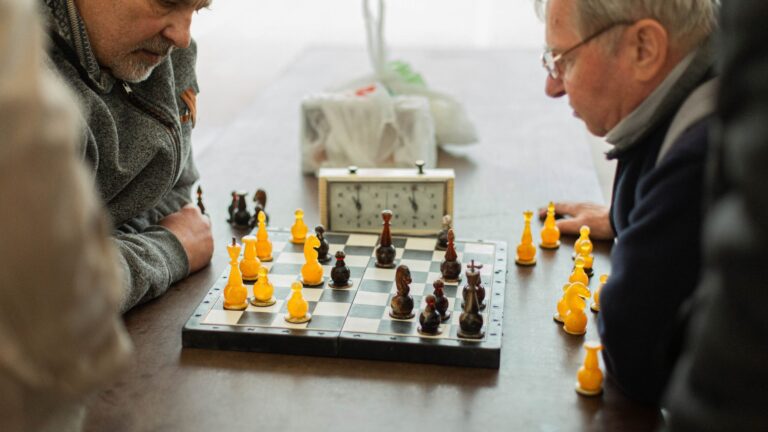
A real-world example: A retired accountant who spent 20 years attending weekly chess club meetings suddenly stops showing up. He tells people he’s “just tired lately” but admits that when he thinks about going to chess club, he feels overwhelmed rather than excited. He can’t explain why. This isn’t depression—he still enjoys his family and other activities—but something about the chess activity specifically triggers avoidance. His brain is failing to generate the motivation and organizational energy that hobby engagement requires, even though intellectually he knows he enjoys chess.
Why Early Recognition Matters and What the Future Holds
Recognizing loss of interest in hobbies as a potential early symptom of dementia matters because it can trigger intervention during the window when treatments may slow cognitive decline. Medications like donepezil can help some people with early Alzheimer’s disease. Lifestyle modifications—exercise, cognitive training, sleep optimization, managing blood pressure and cholesterol—show promise in slowing decline when started early. But these interventions only help if the underlying condition is identified.
Looking forward, as our population ages and dementia becomes increasingly common, more doctors are being trained to recognize subtle early symptoms like anhedonia. Brain imaging and biomarker blood tests are improving, making earlier diagnosis possible. The goal is catching cognitive decline early enough that people have time to prepare, seek treatment, adjust their lives, and maintain quality of life for as long as possible. Paying attention to unexplained changes in engagement with hobbies—those seemingly small shifts in what makes someone feel alive—might be the key that opens the door to earlier help.
Conclusion
Loss of interest in hobbies can indeed be an early dementia symptom, though it requires careful evaluation because many other conditions cause similar changes. When a previously passionate hobbyist suddenly abandons their activities without clear physical, financial, or emotional reason, and especially when this change accompanies other subtle cognitive shifts, medical evaluation is warranted. The symptom matters because hobbies engage the cognitive systems that dementia damages first, and recognizing the damage early creates opportunities for intervention.
If you notice these changes in yourself or a loved one, talk with a doctor. Many causes of lost interest are treatable—depression, medication side effects, sleep disorders, and vitamin deficiencies all respond to intervention. If it does turn out to be early cognitive decline, catching it early gives you time to make plans, pursue treatments, and find ways to stay engaged with the activities and people that matter most. The goal isn’t to panic over every change, but to take unexplained shifts in engagement seriously and investigate them thoroughly.
You Might Also Like
- Doctors Say weight loss Could Be an Early Dementia Symptom
- Doctors Say loss of sense of smell Could Be an Early Dementia Symptom
- Doctors Say word finding trouble Could Be an Early Dementia Symptom
For more, see National Institute on Aging.