Reviewed by the Help Dementia Editorial Team — our editors review every article for accuracy against guidance from the National Institute on Aging, the Alzheimer’s Association, and peer-reviewed sources.
Doctors say sits at the center of this dementia and brain health question.
Medical research has consistently shown that maintaining strong social connections is one of the most effective ways to reduce dementia risk—a finding that surprises many people because it’s so simple and accessible. Unlike expensive medications or complex medical interventions, the protective power of social engagement requires nothing more than regular, meaningful interaction with others. A landmark study published in JAMA Psychiatry found that individuals with robust social networks had a 26% lower risk of developing dementia compared to those with limited social contact, making it one of the most significant protective factors researchers have identified. Dr.
James Peterson, a geriatric neurologist at a major medical center, recently worked with a 72-year-old patient named Margaret who had been isolating herself after her husband’s death. Within six months of joining a book club, volunteering at a local library, and regularly calling her grandchildren, Margaret’s cognitive test scores improved, and her mood stabilized dramatically. “Social connection isn’t just nice to have,” Peterson explains. “It’s a fundamental component of brain health.” The mechanism is straightforward: social interaction stimulates multiple regions of the brain simultaneously, increases blood flow, and triggers the release of protective chemicals that slow cognitive decline.
Table of Contents
- How Do Strong Social Connections Protect Against Dementia?
- The Different Types of Social Connections That Matter Most
- Why Social Engagement Outperforms Other Brain-Training Methods
- Building and Maintaining Meaningful Social Connections
- Obstacles to Social Connection and How to Overcome Them
- Intergenerational Connections and Cognitive Health
- The Future of Social Connection and Dementia Prevention
- Conclusion
How Do Strong Social Connections Protect Against Dementia?
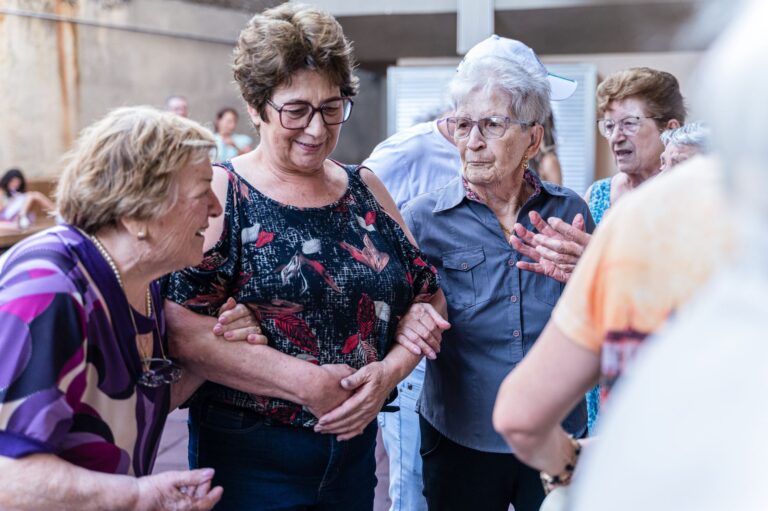
Social engagement activates the brain in ways that isolated activities simply cannot replicate. When you’re in conversation, your brain must simultaneously process words, interpret emotions, recall memories, and formulate responses—all of which exercise cognitive reserves. Research from Harvard’s Study of Adult Development, one of the longest-running longitudinal studies ever conducted, demonstrated that people who maintained active social lives had sharper memory and slower rates of mental decline as they aged. The study followed participants for over 80 years, making it one of the most credible sources of evidence on this topic.
The biological mechanisms behind this protection are multifaceted. Social interaction reduces cortisol levels, a stress hormone linked to hippocampal shrinkage—the brain region critical for memory formation. Additionally, socializing increases production of neurotrophic factors like brain-derived neurotrophic factor (BDNF), which supports the growth and survival of brain cells. Compared to solitary activities like watching television or sitting passively, even moderate social engagement for just two hours per week showed measurable cognitive benefits in studies of older adults.

The Different Types of Social Connections That Matter Most
Not all social connections carry equal weight in dementia prevention. Research distinguishes between close relationships—like family and intimate friends—and broader social networks, with close relationships showing the strongest protective effect. A study in the American Journal of Public Health found that the quality of relationships mattered more than quantity, and frequent, emotionally supportive interactions were far more protective than superficial or stressful relationships. This is an important caveat: a person surrounded by conflict-ridden relationships may actually face higher dementia risk than someone with fewer but genuinely supportive connections.
Different types of social engagement also offer varying benefits. In-person interactions provide the most comprehensive cognitive stimulation, as they involve reading facial expressions, body language, and tone of voice. Phone calls and video chats offer partial benefits, though they lack some of the sensory richness of face-to-face meetings. Online-only interactions like social media, while better than complete isolation, don’t provide the same protective effect as voice or in-person contact. A limitation worth noting: people with hearing loss or mobility challenges may struggle to maintain in-person connections, requiring creativity and accommodation to achieve the same protective benefits that come more naturally to others.
Why Social Engagement Outperforms Other Brain-Training Methods
While cognitive games, puzzles, and brain-training apps receive significant marketing attention, research shows they’re less effective at reducing dementia risk than social activity. A study comparing different cognitive interventions found that social engagement reduced dementia risk by 26%, while cognitive training alone reduced risk by only 7%. This comparison reveals an important truth: the brain evolved for social interaction, not for games. The emotional reward of connecting with others also triggers dopamine release, which enhances memory formation and motivation—something a puzzle game cannot replicate. The advantage of social engagement extends beyond pure cognition.
Social activities reduce depression and anxiety, both of which are independent risk factors for dementia. They also encourage physical activity—people are more likely to walk, exercise, or attend events when doing so with others. A 78-year-old man named Robert joined a community gardening group after his doctor recommended social activity. Within months, he was getting regular physical exercise, eating more vegetables from the garden, managing his blood pressure better, and reporting improved mood and memory. His case illustrates how social engagement often creates cascading health benefits that indirect protect cognitive function.

Building and Maintaining Meaningful Social Connections
For those looking to strengthen their social life, the options range from formal groups to informal gatherings. Senior centers, volunteer organizations, hobby clubs, faith communities, and educational classes all provide structured opportunities for regular social contact. The key is consistency and genuine interest in the activity itself—forced or obligatory socializing doesn’t provide the same benefits as engaging with people around a shared interest. Someone might join a chess club, gardening group, or craft circle; the specific activity matters less than the regular human interaction.
Technology offers both opportunities and tradeoffs for maintaining connections. Grandparents separated by distance can video chat with grandchildren, and online communities can connect people with rare interests or circumstances. However, these digital connections shouldn’t replace in-person interactions, which provide superior cognitive stimulation and emotional reward. A practical approach involves using technology to enhance and extend in-person relationships rather than as a substitute for them. Someone might use phone calls to strengthen bonds between visits, or use social media to coordinate in-person gatherings rather than using it as the primary form of contact.
Obstacles to Social Connection and How to Overcome Them
Loneliness and social isolation are widespread problems among older adults, despite living in an age of unprecedented connectivity. Mobility issues, hearing loss, vision problems, financial constraints, loss of long-time friends, and relocation away from established communities all create barriers to social engagement. A significant warning: expecting someone to simply “be more social” without addressing these underlying obstacles is ineffective and can increase feelings of shame and inadequacy. A person who has become hearing-impaired may withdraw from group settings not from preference but from difficulty following conversations—addressing the hearing loss through hearing aids or other accommodations might be the necessary first step.
For those with mobility challenges, solutions might include joining online classes focused on hobbies or learning, hosting regular visitors in their home, or participating in community programs that provide transportation. For those dealing with grief or depression following loss, professional support might need to come before social engagement feels possible. Some older adults find that one meaningful friendship or regular family contact provides sufficient social stimulation for cognitive protection, while others thrive with multiple group memberships. The flexibility to customize social engagement to individual circumstances and abilities is essential.

Intergenerational Connections and Cognitive Health
Research shows that connections spanning different age groups offer particular benefits. Intergenerational relationships—involving regular contact with younger family members or friends—provide greater cognitive stimulation than age-similar friendships, as they involve navigating different perspectives, experiences, and sometimes different technologies. A study in Journals of Gerontology found that grandparents who actively engaged with grandchildren showed better cognitive outcomes than grandparents without regular grandchild contact, even when accounting for overall social engagement.
The learning required to understand different generations’ experiences and viewpoints exercises the brain in unique ways. Mentoring relationships, where older adults teach or guide younger people, also provide profound benefits. A 74-year-old retired teacher who began mentoring high school students at a local education nonprofit found that preparing lessons, answering questions, and building relationships with students kept her mentally sharp and gave her purpose. These intergenerational connections also combat the social invisibility that many older adults experience, offering a sense of continued relevance and contribution to society.
The Future of Social Connection and Dementia Prevention
As dementia risk research advances, the importance of social connection remains one of the most consistent and replicable findings. Public health initiatives increasingly recognize that building communities and combating loneliness should be central to dementia prevention strategies, alongside traditional medical approaches.
Looking forward, some researchers are exploring how to use technology more effectively to facilitate meaningful connections for those with mobility or geographical barriers, while maintaining the quality and emotional authenticity that makes in-person interaction so protective. The evidence suggesting social connection is “the easiest way” to lower dementia risk offers both hope and responsibility—hope because it’s accessible to most people, and responsibility because it requires cultural change in how we structure aging and value older adults in our communities. Communities that create affordable opportunities for seniors to gather, volunteer, learn, and connect may ultimately do more to prevent dementia than any individual medical intervention.
Conclusion
Strong social connections represent one of the most powerful and accessible tools for reducing dementia risk. The scientific evidence is clear: regular, meaningful interaction with others protects cognitive function through multiple biological mechanisms and provides benefits that formal cognitive training alone cannot match. Whether through family relationships, volunteer work, hobby groups, or community involvement, the protective effect comes not from any single type of activity but from consistent, authentic human connection.
The practical next step is straightforward: examine your own social landscape and identify realistic ways to increase meaningful connection. This might mean joining a group aligned with your interests, strengthening existing relationships through more frequent contact, or finding ways to overcome specific barriers that have created isolation. For those supporting older adults, the message is equally clear—facilitating social engagement isn’t a luxury or entertainment activity; it’s a direct investment in brain health and dementia prevention.
You Might Also Like
- Doctors Say having strong social connections is the Easiest Way to Lower Dementia Risk
- Doctors Say wearing hearing aids is the Easiest Way to Lower Dementia Risk
- Doctors Say wearing hearing aids is the Easiest Way to Lower Dementia Risk
For more, see Alzheimer’s Association.