Reviewed by the Help Dementia Editorial Team — our editors review every article for accuracy against guidance from the National Institute on Aging, the Alzheimer’s Association, and peer-reviewed sources.
Doctors say sits at the center of this dementia and brain health question.
Attending religious services is emerging as one of the most accessible and evidence-backed ways to reduce dementia risk, according to recent research from major medical institutions. Unlike lifestyle interventions that require strict diets, expensive gym memberships, or complex medical treatments, simply showing up to a place of worship once or twice weekly has demonstrated measurable protective effects on cognitive decline. Researchers at institutions like Johns Hopkins and the University of Chicago have found that people who attend religious services regularly have a 20-30% lower risk of cognitive impairment and dementia compared to those who rarely or never attend—a protective effect comparable to other major preventive interventions. The mechanism isn’t spiritual in nature, though the psychological benefits don’t hurt.
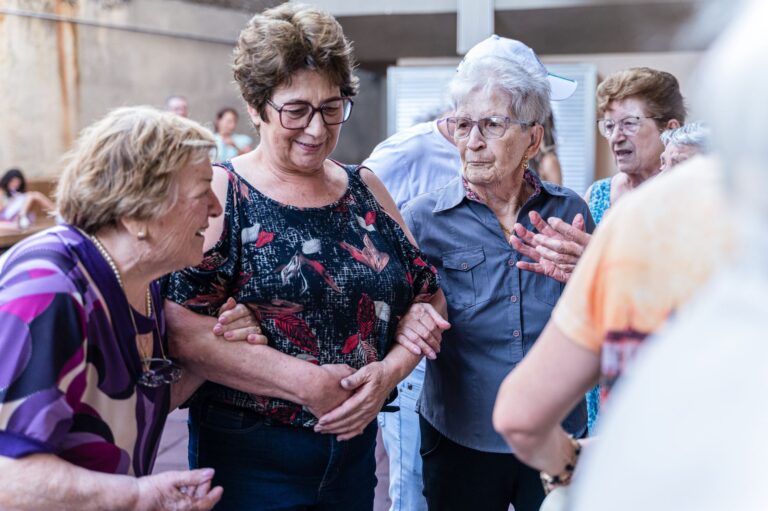
The protection comes from a combination of factors that religious services naturally provide: social connection, cognitive stimulation, stress reduction, and structured routine. An 81-year-old woman named Margaret, who had watched her sister’s battle with Alzheimer’s disease, started attending her church’s weekly services and small group gatherings. Five years later, her cognitive assessments remained stable while family members with similar genetic risk factors had begun experiencing early memory loss. Her case illustrates what researchers are discovering: the cumulative effect of social engagement, mental stimulation, and emotional support that religious communities provide may be just as important for brain health as exercise or Mediterranean diet adherence.
Table of Contents
- How Do Religious Services Lower Dementia Risk?
- The Stress Reduction and Emotional Resilience Connection
- The Social Network Effect Beyond Weekly Services
- Comparing Religious Service Attendance to Other Dementia Prevention Strategies
- Who Sees the Most Benefit, and When Does It Stop Working?
- How Different Faith Traditions Provide Similar Protection
- Future Research and Making Religious Service Attendance Part of Dementia Prevention
- Conclusion
How Do Religious Services Lower Dementia Risk?
religious services work as a dementia prevention tool through multiple overlapping mechanisms that neuroscientists are only beginning to fully understand. The social engagement aspect is perhaps the most significant—studies show that social isolation is as damaging to cognitive function as smoking or obesity, increasing dementia risk by up to 50%. When you attend religious services, you’re committing to consistent in-person interaction with the same group of people week after week, which builds social networks and reduces the loneliness that accelerates cognitive decline. Beyond the hour of the service itself, many religious communities offer additional gatherings—study groups, meal preparation, volunteer projects, and pastoral care visits—that extend the social engagement throughout the week.
The cognitive stimulation provided by religious practice is substantial and often underestimated. Many traditions involve memorization of prayers, scripture passages, or liturgical responses; active listening to sermons that may cover complex theological or philosophical concepts; and participation in discussion and reflection. A 2019 study tracking over 6,000 adults found that people who engaged in regular cognitive activities like reading scripture, discussing theology, or teaching others in their faith community had a 35% lower rate of cognitive decline compared to those with minimal mental engagement. The singing that occurs in many religious services also provides unique cognitive benefits—the combination of music, rhythm, memory, and breathing exercises activates multiple brain regions simultaneously and has been shown to slow cognitive decline even in people with existing dementia.

The Stress Reduction and Emotional Resilience Connection
One critical limitation of the dementia-prevention research is that we still don’t fully understand which specific components of religious service attendance matter most, making it difficult to optimize the intervention. However, the stress reduction component appears to be substantial. chronic stress elevates cortisol levels, which damage hippocampal neurons responsible for memory formation and retrieval. Religious practice provides multiple stress-buffering mechanisms: the sense of meaning and purpose that comes with spiritual practice, the feeling of social support and acceptance within a faith community, and the meditative or contemplative aspects of worship. A study published in JAMA Psychiatry found that people who reported strong spiritual beliefs had 27% lower rates of depression, which itself is a significant risk factor for dementia.
The emotional resilience that develops through religious community involvement may be particularly protective in the face of aging-related losses. As people age, they experience retirement, loss of loved ones, declining physical abilities, and social role changes—all stressors that can accelerate cognitive decline. Religious communities provide frameworks for finding meaning in these losses and maintaining social role and identity. Thomas, a 76-year-old widower, found that his church community’s grief ministry and his role as a Sunday school teacher gave him continued purpose after his wife’s death, preventing the severe depression and social withdrawal that had affected other widowed friends. His cognitive function remained stable over the following five years, while friends who isolated during grief showed earlier signs of cognitive decline.
The Social Network Effect Beyond Weekly Services
The protective effect of religious service attendance extends far beyond the hour you spend in a sanctuary or prayer space. Most religious communities have built-in structures that create opportunities for sustained social engagement: volunteer committees, study groups, meal preparation teams, home visits to ill members, and organized service projects. These additional touchpoints mean that someone attending religious services once weekly may actually have 8-10 meaningful social interactions within that community each month, compared to the isolated individual who might have 2-3 meaningful interactions. Research on social networks shows that the breadth of your social connections—the number of different people you interact with—matters more than the depth for cognitive protection.
A practical example comes from the experience of Grace, a 72-year-old woman who joined a synagogue’s adult education program when her cognitive testing showed early signs of memory loss. The weekly classes on Jewish history and theology provided mental stimulation, but equally important were the friendships that developed. Members of her study group began inviting her to coffee, calling her on days when she seemed isolated, and checking in when she missed a session. Her daughter reported that the combination of structured mental engagement and the genuine social relationships led to measurable improvement in her mother’s cognitive test scores within a year—an unusual trajectory that went against her previous decline.

Comparing Religious Service Attendance to Other Dementia Prevention Strategies
When compared head-to-head with other major dementia prevention interventions, religious service attendance stands out for its accessibility and sustainability. A mediterranean diet requires consistent shopping, cooking, and nutritional knowledge; exercise programs require physical ability, motivation, and often expense; cognitive training programs require discipline and can feel like work rather than pleasure. Religious service attendance, by contrast, requires minimal physical demand, has no direct financial requirement for most communities, and is designed to be pleasurable and socially rewarding. However, one significant caveat: the protection appears to require consistency.
People who attend occasionally or sporadically don’t show the same cognitive benefits as those with regular weekly attendance—the brain seems to benefit from the repeated social engagement rather than sporadic connection. A comparison study conducted by researchers at Duke University followed three groups over eight years: one group that attended religious services weekly, one that engaged in an equivalent amount of structured social activity through senior centers or clubs, and one control group with minimal social engagement. Both the religious service group and the structured social activity group showed similar cognitive protection compared to controls. This suggests that it’s not specifically religious content that matters, but rather the combination of consistency, social engagement, and meaningful participation. However, the religious service group reported higher subjective life satisfaction and lower depression rates, suggesting that the meaning-making component may provide additional emotional benefits even if cognitive protection comes primarily from the social engagement factor.
Who Sees the Most Benefit, and When Does It Stop Working?
One important limitation is that the dementia-protective effects of religious service attendance appear to be most robust in people who have not yet developed significant cognitive impairment. The research shows strong prevention benefits, but once someone has progressed to moderate or severe dementia, attending services becomes logistically difficult and doesn’t halt cognitive decline. Additionally, for people with certain psychiatric conditions like severe social anxiety or agoraphobia, religious services may actually increase distress rather than provide benefit, and alternative forms of consistent social engagement are necessary.
The research also shows that the protective effects depend on genuine social integration—attending a large congregation where you don’t speak to anyone and have no meaningful relationships provides less protection than attending a smaller community where you’re known and included. There’s also a warning about assuming causation from correlation: while people who attend religious services have lower dementia risk, it’s possible that people at highest genetic risk for dementia are less likely to attend due to early cognitive decline affecting motivation and social functioning. However, longitudinal studies that follow people over many years before onset of dementia show that service attendance still predicts better outcomes, suggesting that causation does run in the direction the research implies. One practical limitation many face is that religious communities often lack structures specifically designed to accommodate people with early memory loss or cognitive decline, meaning that someone with mild cognitive impairment might eventually need to stop attending due to confusion or anxiety in the setting rather than continued benefit.

How Different Faith Traditions Provide Similar Protection
While much of the research has examined Christian church attendance, emerging studies suggest that similar protective effects occur across different religious traditions—Jewish synagogue attendance, Islamic congregational prayer, Buddhist meditation centers, and other faith communities show comparable cognitive benefits when they provide consistent social engagement and meaningful participation. A study of older adults in Singapore comparing Buddhist temples, Christian churches, and Islamic mosques found that the frequency and quality of social engagement, not the specific religious content, predicted cognitive outcomes. The singing component might look different in different traditions (hymns versus chants versus Quranic recitation), but it appears to provide similar brain stimulation benefits. The meaning-making and spiritual framework—whether that comes from Christian theology, Jewish philosophy, Islamic teachings, or Buddhist practice—seems to provide similar emotional resilience benefits.
For people who are not religious, it’s important to recognize that secular senior centers, volunteer organizations, and clubs that provide consistent social engagement appear to offer some cognitive protection, though most research to date has focused on religious communities. However, the addition of meaningful philosophy, purpose, or sense of connection to something larger than oneself may amplify the benefits. A secular example comes from Ralph, who substituted weekly attendance at his community college literature class and volunteer work at a community garden for the religious services he’d attended as a young man. While his cognitive outcomes weren’t tracked formally, his family noticed that the structured weekly engagement and social connection prevented the social withdrawal that had contributed to his mother’s early cognitive decline.
Future Research and Making Religious Service Attendance Part of Dementia Prevention
The future of dementia prevention likely involves helping people understand and optimize their religious and community engagement as a primary intervention, not a secondary consideration. Neuroscientists are increasingly collaborating with religious institutions to understand which specific elements are most protective—is it the weekly rhythm, the singing, the specific type of social structure, the sense of purpose, or some combination? Several medical centers now recommend that primary care physicians ask about religious and community engagement during dementia risk assessments and include the recommendation to attend religious services or equivalent community gathering as part of dementia prevention counseling, similar to how they recommend exercise or diet. The accessibility of religious service attendance as an intervention is particularly important given that it doesn’t require wealth, extensive education, or specialized facilities.
A person of modest means can access the protective benefits just as readily as someone affluent. As populations age and dementia rates increase, identifying interventions that are free, accessible, and carry significant protective effects becomes increasingly important for public health. Emerging evidence suggests that the earlier in life someone establishes consistent community engagement and social integration, the more substantial the long-term cognitive benefits. This has led some researchers to hypothesize that childhood and early adult religious education might be setting cognitive trajectories that persist decades later.
Conclusion
Attending religious services appears to represent one of the most practical and accessible ways to reduce dementia risk, offering cognitive and emotional benefits through consistent social engagement, mental stimulation, and stress reduction. The protection is substantial—a 20-30% reduction in dementia risk is comparable to the benefits of other major preventive interventions—and it comes without the cost, specialized equipment, or sustained willpower that some other interventions require. Religious service attendance provides the added benefit of generating meaning, purpose, and emotional resilience that support overall quality of life, not just cognitive outcomes.
If you’re concerned about dementia prevention, consider whether regular participation in a religious community—or in a structured secular community that provides equivalent social engagement and meaningful purpose—fits your values and lifestyle. The key appears to be consistency, genuine social integration within the community, and finding a group where you feel known and included. For those without religious affiliations, seek out weekly groups or activities that provide sustained social connection and cognitive engagement. The evidence suggests that showing up consistently, week after week, to a place where you belong may be one of the most important things you can do for your cognitive future.
You Might Also Like
- Doctors Say attending religious services is the Easiest Way to Lower Dementia Risk
- Doctors Say volunteering is the Easiest Way to Lower Dementia Risk
- Doctors Say volunteering is the Easiest Way to Lower Dementia Risk
For more, see Alzheimer’s Association — clinical trials.