Dementia with multiple etiologies means more than one brain disease causes the symptoms, most often Alzheimer's changes plus vascular injury. For spouses and partners, the 2026 NIA-linked findings mean a less predictable course, broader care needs, and attention to their own brain health. Multiple etiologies is now the expected pattern in later life, not the exception. That shifts the task from treating one disease to managing combined effects on memory, movement, mood, and daily function.
Medical information disclaimer: This article is for general educational purposes only and does not provide medical advice, diagnosis, or treatment. Always consult a physician or other qualified health professional about symptoms, medications, tests, or treatment decisions.
Table of Contents
- What multiple etiologies means
- Why the course looks uneven
- What changes for spouses and partners
- What to do in the next month
What multiple etiologies means
Alzheimer's is defined biologically by a positive Core-1 biomarker such as amyloid PET, spinal-fluid Abeta42/40, or validated blood p-tau217, according to a Frontiers in Dementia review. A positive result marks Alzheimer's biology even when symptoms have other contributors. The same framework adds S for alpha-synuclein and V for vascular brain injury as frequent co-pathologies that speed decline.
Alpha-synuclein relates to Lewy-body changes. Vascular injury reflects small strokes and small-vessel damage. Most people with Alzheimer's brain changes also carry a second pathology at autopsy, most often vascular injury, according to the Alzheimer's Association 2026 facts and figures. Mixed change helps explain why two people with similar memory scores differ in walking, attention, or behavior.
Why the course looks uneven
Combined pathologies can produce a mixed symptom picture. Memory loss may pair with slowed processing, gait change, blood-pressure sensitivity, dream-enactment behavior, or marked day-to-day fluctuation. Decline may move in steps rather than a smooth slope. A new vascular event, infection, surgery, or medication change can lower function quickly.
Recovery may be partial when background Alzheimer's changes are present. This also affects testing and planning. A spouse may hear about amyloid, tau, synuclein, and vascular markers rather than one test result. Each result points to a different risk and care need.
What changes for spouses and partners
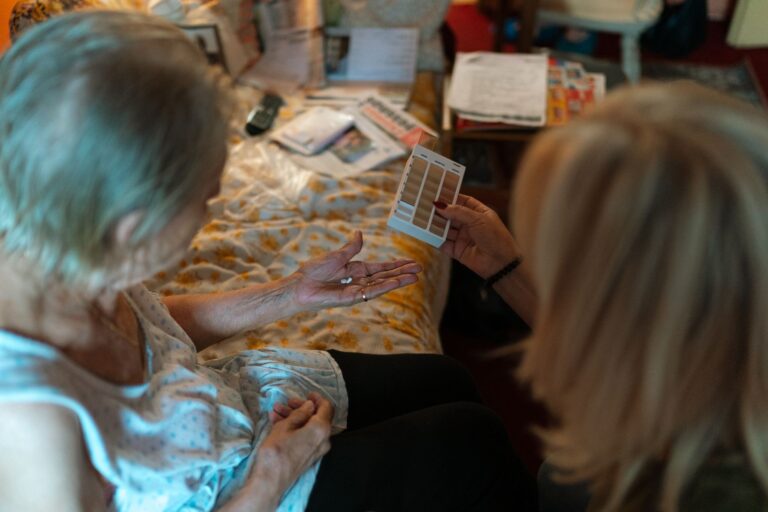
Partners often become care coordinators as well as companions. More causes can mean more specialists, more prescriptions, closer blood-pressure and diabetes control, fall precautions, and earlier help with driving, finances, and household tasks. The load is large at population scale. More than 12 million U.S.
family members provided about 19.6 billion unpaid care hours in 2025, according to the Alzheimer's Association 2026 facts and figures. Spouses carry much of the overnight and everyday supervision. Spousal health deserves direct notice. In a Taiwan nationwide matched cohort of 955,105 married people, partners exposed to a spouse's dementia had higher later dementia risk, with hazard ratios of 1.74 in women and 1.69 in men, according to the EMJ summary of the JAMA Network Open study. The pattern is association, not proof that caregiving causes dementia, and it reflects Taiwan's health system and missing lifestyle and support data.
What to do in the next month
Ask the clinician which contributors are diagnosed, suspected, or ruled out. Useful questions are whether vascular injury is present, whether parkinsonism or dream-enactment behavior suggests Lewy-body involvement, and which symptom each treatment targets. Put support in place before a crisis.
Federal attention to this gap continued through the National Academies report released Feb. 23 after a three-year NIA, AHRQ, and NASEM effort, described in the University of Washington summary of Meeting the Challenge. Local Alzheimer's Association chapters, Area Agencies on Aging, and clinic social workers can link couples to respite and training.
- List all brain-related diagnoses and the main symptom each explains.
- Track blood pressure, sleep, falls, confusion episodes, and medication changes.
- Arrange regular relief coverage, sleep protection, exercise, and a primary-care visit for the partner.
- Document wishes for driving, finances, home safety, and future care while choices are easier.
You Might Also Like
- Support for People Without Care Partners in the 2026 NIA Report: What the Report Means for Working Dementia Caregivers
- Support for People Without Care Partners in the 2026 NIA Report: What the Report Means for Working Dementia Caregivers
- Early Dementia Detection Across Care Settings in the 2026 NIA Report: What the Report Means for Working Dementia Caregivers