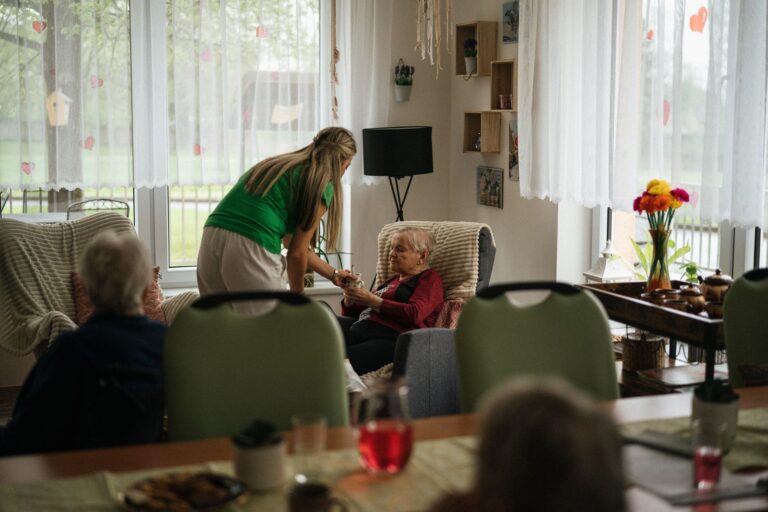
Plan holiday visits in the morning or midday when the person is rested, and keep the group small with time to rest. Coordinate the best time with the caregiver and shape the visit around daily routine. Dementia means progressive loss of memory, thinking, and behavior that makes noise, change, and evening fatigue harder to handle. A short, calm visit with familiar faces and simple shared activity supports connection better than a long party.
Medical information disclaimer: This article is for general educational purposes only and does not provide medical advice, diagnosis, or treatment. Always consult a physician or other qualified health professional about symptoms, medications, tests, or treatment decisions.
Table of Contents
- When is the best time to visit?
- How many people should come?
- What should visitors know before they arrive?
- What can you do together?
When is the best time to visit?
Call or visit in the morning or midday rather than late afternoon and evening. Fatigue grows later in the day and confusion can increase. Ask the caregiver what hour is usually best.
Keep the visit short enough to leave energy for meals, rest, and sleep. The Alzheimer Society of BC recommends morning or midday visits in its holiday tips for caregivers. Plan one visit at a time instead of filling the whole day.
How many people should come?
Invite one visitor or one family at a time and allow rest breaks between visits. Large noisy groups can overstimulate and overwhelm, especially in later-stage dementia. Stagger arrivals so the room stays calm.
The Alzheimer Society of Quebec Suroit advises small staggered gatherings in its 2024 holiday guidance. Set aside a quiet retreat room with calming music or a familiar activity. Move there for a break when attention fades.
What should visitors know before they arrive?
Brief every visitor about current cognitive changes before the holiday. Early-stage lapses in conversation differ from major middle- to late-stage changes. Explain that behavior and memory loss come from the disease.
The Alzheimer's Association explains briefing visitors about these changes on its current Holidays and Alzheimer's page. Prepared visitors react with patience instead of surprise. Children also need simple guidance about what to expect. Communicate in a way that lowers confusion during the visit.
- Introduce yourself, even if you are family.
- Speak directly, allow time to answer, and listen.
- Do not interrupt, argue, or correct.
- Keep sentences short and one idea at a time.
What can you do together?
Involve the person in simple manageable tasks such as setting the table, decorating, or taking a short walk. Adapt traditions to what they can still do successfully. Keep daily routines for meals, naps, and bedtime as intact as possible.
Use sensory reminiscence rather than testing new memories. Look at family photos, play seasonal music, and serve favorite dishes. Offer a meaningful gift, prepare children for calm interaction, and include a suitable pet when appropriate.