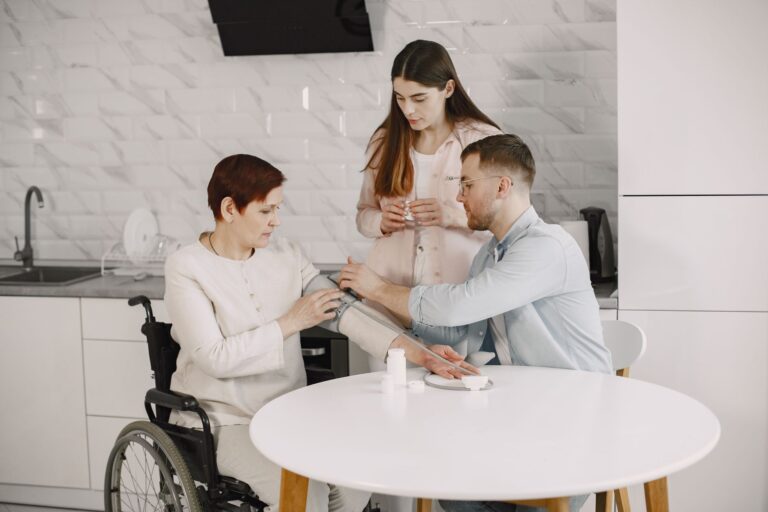
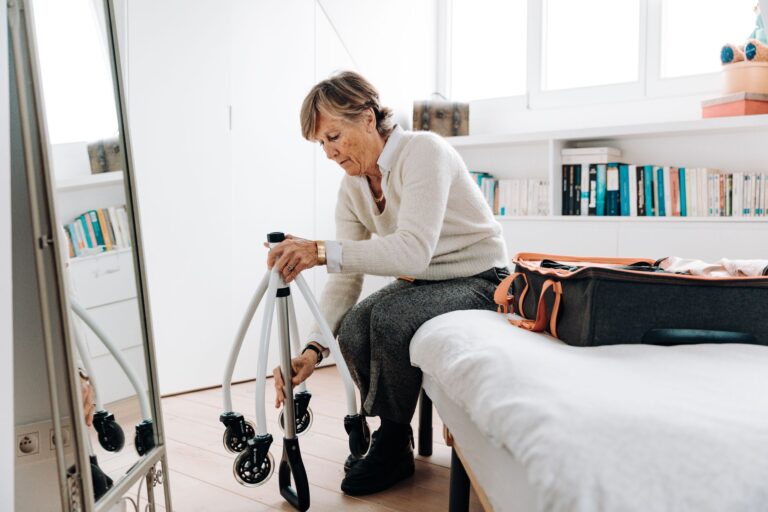
A weighted lap product is a small, heavy pad that rests on the lap during sitting. For a person with dementia, it is only suitable when the person can shift position, stay comfortable, and push the pad off without help. The main risks are limited mobility, heat buildup, and inability to remove the weight. Older adults with weakness, breathing difficulty, movement difficulty, or circulation problems should get clinician approval before use and must be able to reposition and remove the product alone, according to National Council on Aging guidance.
Medical information disclaimer: This article is for general educational purposes only and does not provide medical advice, diagnosis, or treatment. Always consult a physician or other qualified health professional about symptoms, medications, tests, or treatment decisions.
Table of Contents
- Can the person remove it alone?
- What weight and size are appropriate?
- Why does heat matter?
- How should caregivers supervise safe use?
Can the person remove it alone?
Independent removal is the deciding safety test. People with impaired mobility or dementia should not use a weighted product they cannot easily remove because they can become trapped underneath it, according to GoodRx health guidance. Hospital policy also treats frail older adults and people with dementia as high-caution groups and states a weighted blanket must never be used as a restraint.
A lap pad should never pin the hands, trap the legs, or prevent standing from a chair. Test removal before regular use. Ask the person to push the pad off the lap, slide feet forward, and stand. If help is needed, do not use the weight.
What weight and size are appropriate?
Occupational-therapy practice limits weighted products to about 10 percent of body weight at most, using the lightest effective weight. A lap pad should fit the lap and thighs, not cover the chest or wrap the body. For chair-based daytime use, smaller is usually safer.
A large blanket adds more heat and makes self-removal harder. A lap-sized pad leaves the head, neck, chest, and feet free for movement and observation. Introduce the pad when the person is calm and seated. Keep first sessions short, then check comfort, skin warmth, breathing, and willingness to continue.
Why does heat matter?
Heat buildup is the most commonly reported tolerability problem with weighted blankets. Aging impairs temperature control, so seniors face more risk from heavy, non-breathable covers and from night sweats, according to Snug Safety senior guidance. Choose breathable cotton or similar open-weave fabric.
Avoid fleece, plastic liners, and extra blankets over the pad. Keep the room cool and offer water for longer sitting periods. Watch for flushed skin, sweating, restlessness, rapid breathing, or attempts to push the pad away. Remove the pad promptly if overheating or distress occurs.
How should caregivers supervise safe use?
A nursing-home protocol started low on the body, required staff to stay and confirm the resident could remove the chain-weighted blanket independently, and prohibited double-layering over the chest or tight wrapping, according to the MDPI Nursing Reports study. Use the same approach for a lap pad in dementia care. Keep the head and neck uncovered and breathing visible throughout use.
- Place the pad flat on the lap, not over the chest.
- Stay nearby and confirm the person can lift or slide it off.
- Do not double-layer, tuck tightly, or secure it with straps.
- Remove it for walking, transfers, meals that require leaning, breathing difficulty, overheating, or distress.
- Researchers testing remote weighted-blanket use for dementia note that standardized safety guidelines for older adults are still lacking, so conservative supervision remains important.