Reviewed by the Help Dementia Editorial Team — our editors review every article for accuracy against guidance from the National Institute on Aging, the Alzheimer’s Association, and peer-reviewed sources.
Dementia stages directly determine the type and intensity of home care a person needs, with each stage requiring increasingly specialized support as cognitive and physical abilities decline. The three primary stages—early, middle, and late—create a progression from minimal assistance with complex tasks to 24/7 supervision and personal care.
For example, someone in the early stage might only need help managing finances and medications, while a person in the late stage requires complete assistance with eating, toileting, and mobility. Understanding this relationship between dementia progression and care requirements helps families make informed decisions about when to hire in-home caregivers, what tasks those caregivers should handle, and whether home-based care remains feasible or if facility care becomes necessary. This progression is not uniform—some people move quickly through stages while others plateau for years—but the general pattern of increasing dependence is consistent.
Table of Contents
- What Home Care Needs Look Like Across Early, Middle, and Late Dementia
- How Medical Complexity Influences Home Care Feasibility
- Early-Stage Dementia Home Care: Maintaining Independence as Long as Possible
- Middle-Stage Dementia: When Full-Time Care Becomes Essential
- Late-Stage Dementia: When Skilled Medical Care Becomes Necessary
- Assessing and Planning for Dementia Care Transitions
- The Reality of Caregiver Burden and Long-Term Sustainability
- Conclusion
What Home Care Needs Look Like Across Early, Middle, and Late Dementia
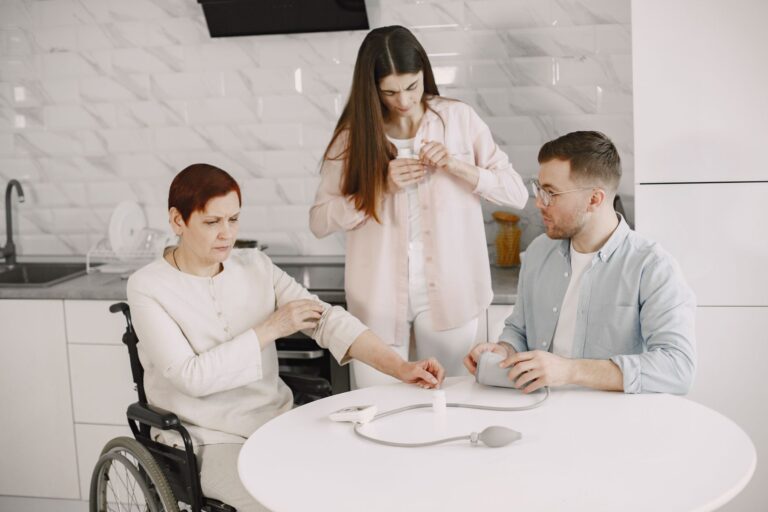
Early-stage dementia typically involves minimal hands-on care but significant supervision for safety and decision-making. A person might still manage personal hygiene, eating, and basic household tasks independently but may forget appointments, get lost driving, or make poor financial decisions. Home care at this stage often means a caregiver visiting several times a week to help with medication management, bill paying, and providing transportation for medical appointments—not full-time residence in the home. Some families hire part-time help (15–25 hours per week) while others manage with check-in visits and remote monitoring. Middle-stage dementia, which typically lasts the longest of the three stages, involves moderate assistance with activities of daily living (ADLs). A person may forget how to bathe safely, struggle to use the toilet independently, or be unable to prepare meals.
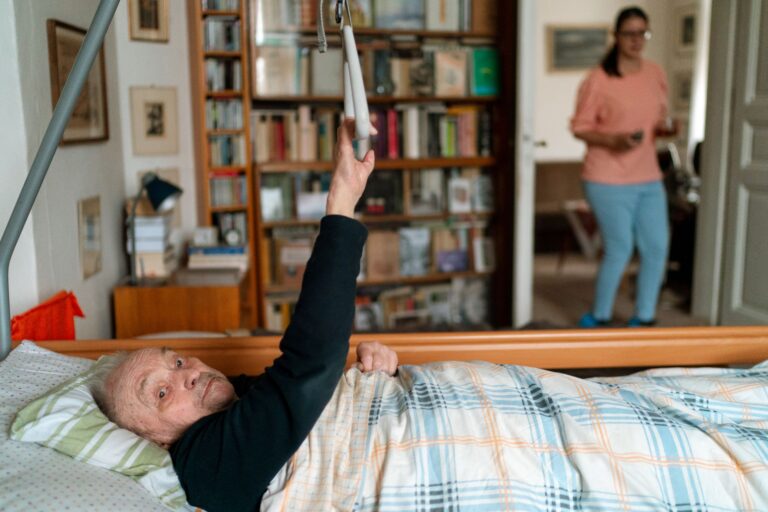
They may also develop behavioral changes—repetitive questions, wandering at night, or agitation—that create safety risks and caregiver stress. Most families find they need full-time or near-full-time home care (30–60+ hours per week) at this stage, often with multiple caregivers rotating shifts to prevent caregiver burnout. Late-stage dementia requires around-the-clock personal care and medical support. The person typically cannot communicate verbally, cannot eat without assistance, and are bedbound or near bedbound. Bowel and bladder control is lost, feeding tubes may be necessary, and wound care, catheter management, and positioning to prevent pressure sores become critical tasks. Many families transition to nursing facilities at this stage because the level of medical care and 24/7 supervision required exceeds what most families can safely provide at home.

How Medical Complexity Influences Home Care Feasibility
As dementia progresses, medical complications often make home-based care increasingly difficult and expensive. Early-stage dementia is medically simpler—the person typically has stable chronic conditions (high blood pressure, diabetes) that require monitoring but not constant intervention. Home care can expand or contract based on family availability and financial resources. Middle and late stages introduce new medical challenges: aspiration risk (food or liquids entering the lungs), infections from incontinence, malnutrition, and falls with serious injury.
These complications sometimes require hospital visits or demand nursing-level care—wound dressing changes, catheter management, IV medication—that goes beyond what family members or unlicensed caregivers can safely provide. A person with advanced dementia and a pressure wound, for example, may need skilled nursing visits twice weekly or daily, making the care profile far more expensive and complex than personal care alone. One important limitation: families often underestimate the skill gap between family caregiving and what trained nurses can do. A family member can provide medication reminders, but cannot assess whether a sudden change in behavior indicates infection, stroke, or a medication side effect. This gap sometimes becomes apparent during a crisis, forcing a rapid and unplanned transition to facility care rather than a planned move.
Early-Stage Dementia Home Care: Maintaining Independence as Long as Possible
In early-stage dementia, the goal of home care is to enable the person to remain as independent as possible while preventing dangerous mistakes. A person might still be living alone or with a spouse, and their primary needs are practical support and oversight rather than physical assistance. Common care tasks include reminding them to take medications, managing bills and banking, scheduling and driving to doctor appointments, and monitoring for safety issues like leaving the stove on or wandering outside. One real example: A 72-year-old man in early dementia might live in his own home with visits from a home care aide three times a week—once for grocery shopping and meal prep, once for medication review and appointment scheduling, and once for household cleaning.
His adult daughter also checks in weekly by phone and visits monthly in person. This arrangement cost roughly $3,000–$5,000 per month and allowed him to maintain his home and familiar routines for several years. However, when he began wandering at night and forgetting to lock doors, his family added nighttime monitoring through a motion-sensor system and then hired an overnight aide, dramatically increasing costs. Eventually they moved him to assisted living when the cost and complexity made home care unsustainable.

Middle-Stage Dementia: When Full-Time Care Becomes Essential
Middle-stage dementia is when most families reach a tipping point and move to full-time in-home care or facility placement. The person now needs assistance with bathing, dressing, toileting, and eating, and behavioral changes—such as agitation, repetition, or sundowning (increased confusion and agitation in late afternoon)—create safety and supervision demands that part-time visits cannot meet. A home caregiver working 40 hours a week can provide structure, prevent wandering, assist with meals, and handle toileting, but families with two spouses or adult children may still need to cover evening, night, and weekend hours.
The tradeoff families face at this stage is significant: full-time in-home care (typically $4,000–$8,000+ per month, depending on region and whether the caregiver is live-in) versus assisted living or memory care facilities ($3,000–$7,000+ per month). Home care preserves the person’s familiar environment and often feels more dignified, but requires a sustained family presence to coordinate care, monitor quality, handle emergencies, and provide respite for the primary caregiver. Facilities provide social engagement, structured activities, and on-site nursing support, but involve the loss of home and often feel less personal to families.
Late-Stage Dementia: When Skilled Medical Care Becomes Necessary
Late-stage dementia introduces medical complexity that challenges even experienced family caregivers. The person typically cannot eat safely by mouth (aspiration risk), may need feeding tubes or modified thick liquids, and requires careful positioning and movement to prevent falls and pressure wounds. Incontinence is complete, toileting assistance becomes bathing and dressing the entire body, and communication is minimal or absent. Infection becomes common—urinary tract infections, pneumonia, skin infections from incontinence—and each infection carries a real risk of hospitalization or death. Many families discover too late that they cannot safely provide this level of care at home without professional nursing support.
A person with a feeding tube needs someone trained in tube care and recognizing signs of tube malfunction or infection. Someone with complete incontinence needs regular skin checks to prevent pressure sores; family members often don’t know what early pressure damage looks like. A sudden fever or refusal to eat could indicate serious infection or end-of-life decline, but families without medical training may not recognize the difference and delay appropriate care. The practical limitation is stark: late-stage home care either requires a live-in nurse (extremely expensive and difficult to find), daily or twice-daily skilled nursing visits, or facility placement. Many hospice organizations can provide home-based end-of-life care if the family chooses to keep the person at home, but this typically involves 2–4 visits per week and focuses on comfort rather than treatment. Families need to understand these constraints well before the late stage arrives.

Assessing and Planning for Dementia Care Transitions
Practical planning begins before the current stage becomes unmanageable. Early-stage diagnosis is the ideal time to assess the home’s physical layout (stairs, bathroom safety, lighting, medication storage) and to have honest conversations about future care preferences, financial resources, and family capacity. A home safety evaluation can identify needed modifications—grab bars, improved lighting, removal of tripping hazards—that make caregiving safer and allow independence longer.
Families should also develop a clear timeline of what care looks like now and what changes are anticipated in the next 1–2 years. This might mean planning to hire a part-time aide now with a clear understanding that full-time care will be needed in 12–18 months, or beginning the process of building a relationship with a specific facility so placement can happen smoothly if needed rather than in a crisis. Having these conversations and plans in place—ideally with the person’s input while they still have capacity—makes transitions much less traumatic.
The Reality of Caregiver Burden and Long-Term Sustainability
One of the most underestimated aspects of dementia home care is the toll on the primary caregiver. A spouse providing care during middle-stage dementia often works 70–80+ hours per week without breaks, managing toileting, feeding, behavior management, and the emotional weight of watching a partner decline. Research consistently shows that family caregivers have higher rates of depression, health problems, and mortality than non-caregivers.
This is not a moral failing—it is a natural consequence of an unsustainable workload. Planning for long-term sustainability means building in respite care from the beginning: hiring a caregiver for a few hours weekly so the family member can run errands, rest, or maintain their own health. Some families move to in-home care (even if more expensive) because it removes 24/7 responsibility from the family member’s shoulders; others transition to facility care specifically to reduce the physical and emotional demands on themselves. There is no single “right” choice, but choosing consciously and building a sustainable plan increases the likelihood that the person receives consistent, quality care and that the family member survives the process intact.
Conclusion
Dementia stages and home care needs are inseparably linked: early stage calls for part-time oversight and practical assistance, middle stage requires full-time hands-on personal care, and late stage typically demands medical expertise that exceeds what families can safely provide. The progression is not always linear, but the general pattern is consistent—each stage brings increasing dependence and increasing complexity.
Families who understand this progression and begin planning early, assessing home safety, arranging graduated levels of care, and prioritizing caregiver sustainability make better decisions and experience fewer crises. The key to managing this journey well is not choosing “home care” or “facility care” once and holding that line forever, but rather reassessing regularly as the person’s needs change, being honest about what family members can realistically provide, and making transitions before crisis forces the issue. Professional guidance—from geriatric care managers, social workers, and physicians—can help families navigate these decisions and find the care arrangement that works best for both the person with dementia and the family members supporting them.