Reviewed by the Help Dementia Editorial Team — our editors review every article for accuracy against guidance from the National Institute on Aging, the Alzheimer’s Association, and peer-reviewed sources.
Dementia stages sits at the center of this dementia and brain health question.
Dementia progresses through distinct stages, and each stage brings its own set of safety risks that caregivers must anticipate and manage. In the early stages, when someone with dementia might still live independently, risks are often subtle—like forgetting to turn off the stove or getting lost in familiar neighborhoods. As dementia advances through middle and later stages, safety concerns become more immediate and severe, including risks of falls, wandering, medication errors, and vulnerability to financial exploitation. Understanding which dangers emerge at which stages allows families and caregivers to make proactive changes before a crisis occurs, rather than reacting after someone has already been injured or placed in a dangerous situation.
The Alzheimer’s Association and other medical organizations recognize three primary stages of dementia—early (mild), middle (moderate), and late (severe)—though individual progression varies considerably. Someone in the early stage might handle a full calendar but forget appointments; someone in the middle stage may not remember why they’re holding a glass of water. Someone in the late stage may not recognize family members. Each transition opens new vulnerabilities. For example, a person in early-stage dementia might drive safely but increasingly miss traffic signals, while the same person in the middle stage may no longer recognize the gas pedal from the brake, making driving unsafe for themselves and others.
Table of Contents
- What Safety Hazards Emerge in Each Dementia Stage?
- Why Do Safety Risks Expand as Dementia Progresses?
- How Do Behavioral Changes Impact Safety at Different Stages?
- What Environmental Modifications Reduce Risks at Each Stage?
- What Are the Hidden or Overlooked Safety Risks?
- How Does Financial Exploitation Create Safety Risks?
- What Do Current Safety Frameworks Recommend Going Forward?
- Conclusion
- Frequently Asked Questions
What Safety Hazards Emerge in Each Dementia Stage?
Early-stage dementia often goes undiagnosed for months or years, which means safety risks accumulate without formal support. At this stage, cognitive changes are mild enough that the person can usually still manage daily tasks, but judgment becomes unreliable. Common early-stage risks include medication errors (taking the wrong dose or forgetting to take medications at all), getting lost in increasingly familiar places, leaving doors or windows unlocked, and leaving cooking appliances on. Financial exploitation also becomes a concern early on, as someone with mild dementia may fall victim to scams or make poor financial decisions they later don’t remember. A person might abandon a car at a gas station because they forgot where they parked, or leave a stove on and go for a drive without remembering the sequence of events.
In the middle stage, when cognitive decline becomes more noticeable, safety risks multiply dramatically. Wandering becomes a serious concern—someone may leave home without explanation, become disoriented, and be unable to find their way back or remember their address. Falls increase because balance and coordination decline, judgment about physical abilities becomes impaired, and the person may wander into hazardous areas like steep stairs or unfamiliar outdoor terrain. Bathroom safety becomes critical: someone in the middle stage may forget how to use the toilet, become confused by the bathtub, or turn water so hot it causes burns. Aggression and paranoia sometimes emerge, creating tension with caregivers and increasing risk of accidental injuries during care routines. Medication management becomes impossible without supervision, and swallowing difficulties may begin, creating risk of choking or aspiration.

Why Do Safety Risks Expand as Dementia Progresses?
The progressive nature of dementia means that multiple cognitive systems deteriorate at once, creating compounding vulnerabilities. memory loss is the most obvious decline, but equally important is the loss of judgment and executive function—the ability to plan, anticipate consequences, and respond to unexpected situations. Someone might remember what a stove is, but forget that turning it on requires careful attention. They might know their house has stairs, but fail to notice a tripping hazard at the top. This combination of memory loss plus impaired judgment creates situations that a healthy person would immediately recognize and avoid. A comparison: a person with healthy memory but poor judgment (like a teenager) can often stay safe because they understand consequences and can call for help.
A person with advanced dementia has neither reliable memory nor intact judgment, creating a dual vulnerability. One important limitation in understanding safety risks is that progression is not uniform across all domains. Someone might retain strong procedural memory—the ability to perform familiar tasks from muscle memory—while losing declarative memory (facts and events). This can create a false sense of safety. For example, a person might still be able to walk to the mailbox, which they did thousands of times before dementia, but be unable to remember where the mailbox is located or how to get home afterward. They might still physically know how to operate a car but forget the rules of the road and other drivers’ locations. Caregivers often underestimate risks precisely because they see their loved one’s retained abilities without realizing how much judgment has been lost.
How Do Behavioral Changes Impact Safety at Different Stages?
Beyond the cognitive decline, behavioral and personality changes create additional safety concerns. Some people with dementia become withdrawn and isolated, which can lead to neglect of nutrition and hygiene, medication errors, and failure to address medical problems. Others become increasingly agitated, suspicious, or aggressive. Sundowning—a pattern where confusion and agitation increase in the late afternoon or evening—affects some people significantly and can lead to dangerous wandering or attempts to leave the home. One specific example: a person with middle-stage dementia might become convinced their caregiver is an imposter or is stealing from them. This suspicion can lead them to hide medication or refuse care, creating medical risks, or to become physically aggressive, creating safety risks for both themselves and their caregiver.
In the late stage, behavioral concerns shift somewhat as apathy often increases and agitation may decrease, but new safety risks emerge from physical dependency and loss of communication. Someone in the late stage may not be able to tell you they’re in pain, that they need the bathroom, or that they’ve fallen. They cannot call for help. They’re entirely dependent on others to maintain their hygiene, monitor their food and fluid intake, and prevent pressure sores. The loss of language means that misunderstandings become more likely and harder to resolve. A person might refuse a medication they actually need, and their caregiver cannot simply explain why it’s important. These behavioral and communication losses create situations where safety depends entirely on the attentiveness and skill of the caregiver.

What Environmental Modifications Reduce Risks at Each Stage?
The most effective safety strategy is to modify the environment before incidents occur, rather than waiting for problems to develop. In early-stage dementia, modifications are often subtle: using pill organizers with alarms, simplifying the home by removing clutter that increases fall risk, installing motion-sensor lighting in hallways, and setting up systems to prevent financial exploitation (like putting trusted family members on bank accounts). For driving safety specifically, some families choose to remove car keys and provide transportation alternatives during the early stage, before a dangerous driving incident occurs. The tradeoff is that loss of driving independence can feel stigmatizing and can trigger depression or feelings of lost autonomy—these emotional impacts are real and worth acknowledging even as the practical safety benefit is clear. In the middle stage, modifications become more extensive and restrictive.
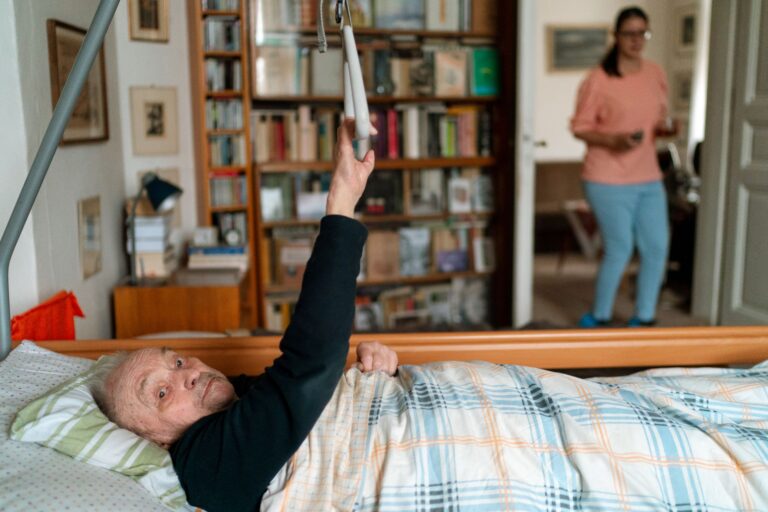
This is when secure locks become important (especially if wandering is a concern), when bathrooms need to be modified for safety (removing hot water access, installing grab bars, keeping the bathroom door unlocked so a caregiver can check on the person), and when kitchen access may need to be restricted to prevent fires from unattended cooking. Bedroom modifications like a bedside commode can reduce nighttime falls. Medication management requires a locked cabinet or the presence of a caregiver at each dose. Some families implement door alarms or wearable GPS devices to alert them if someone wanders. In the late stage, modifications focus on accessibility and prevention of injury: a hospital bed with rails reduces fall risk, a walk-in shower reduces the risk of falls while getting into a bathtub, and a Foley catheter may be necessary to prevent falls related to frequent bathroom visits.
What Are the Hidden or Overlooked Safety Risks?
Caregivers and families often focus on the most visible risks—falls, wandering, leaving the stove on—and miss equally serious but less obvious dangers. Aspiration and choking become significant risks in the middle and late stages as swallowing becomes less coordinated, but many caregivers don’t recognize the warning signs of difficulty swallowing until a serious incident occurs. Someone might cough or seem to choke slightly when eating, but the caregiver attributes it to natural aging rather than recognizing it as a sign that food textures need to be modified. Another overlooked risk is medication interactions or side effects. As dementia progresses and multiple medications are added (for blood pressure, pain, anxiety, depression, insomnia), the cumulative effect can increase falls, confusion, or dangerous interactions. A person might become even more confused or aggressive because of a medication that was added to help them, but the connection isn’t made.
Heat and cold exposure are also underestimated risks. Someone in the middle or late stage may not recognize that they’re too cold or too hot and won’t tell you. They might sit outside on a freezing day because they forgot they have a coat, or spend an entire hot afternoon in an unshaded room because they can’t decide to move. Malnutrition and dehydration are surprisingly common in middle-stage dementia because someone might refuse food or forget to eat or drink. A warning: even if someone says they’re not hungry, they may actually be malnourished if their food intake has declined due to dementia. The loss of thirst sensation also means that someone in the late stage won’t ask for water even if they’re dangerously dehydrated. Caregivers need to actively offer food and fluids on a schedule, not wait for the person to ask.

How Does Financial Exploitation Create Safety Risks?
Financial exploitation is often thought of as an economic problem, but it’s also a safety issue. Someone in the early or middle stage of dementia may be targeted by scammers, dishonest relatives, or unscrupulous home health aides. They might give away money or change their will, creating family conflict that destabilizes their living situation and care.
In one documented example, a person with early-stage dementia was repeatedly called by scammers claiming to be from the IRS and ended up transferring thousands of dollars to fraudulent accounts. Because the dementia was not yet diagnosed, the family didn’t understand why their loved one was suddenly insisting on making large withdrawals, and the exploitation continued for months. Protecting someone from exploitation typically involves removing their direct access to finances and putting trusted family members or professionals in control of significant decisions, which limits their autonomy but protects them from harm.
What Do Current Safety Frameworks Recommend Going Forward?
Modern dementia care is increasingly moving toward a “risk-aware” rather than “risk-free” approach, recognizing that completely preventing all risks often means severely limiting quality of life. The goal is to identify the most serious and preventable risks, mitigate those actively, and support the person’s agency and dignity in other areas.
This might mean allowing someone in the middle stage to walk around the neighborhood with a GPS tracker rather than confining them to the house, or allowing someone to use the kitchen under supervision rather than making it completely inaccessible. Some experts recommend “positive risk-taking,” where small risks are accepted in order to preserve meaningful activities and independence. As medical and social services evolve, more options like adult day programs, assisted living communities specifically designed for dementia, and in-home care services are becoming available to help manage the complex safety needs that emerge across different dementia stages.
Conclusion
Safety risks in dementia are stage-dependent but overlapping, requiring caregivers to anticipate and modify hazards before they cause harm. In the early stage, risks are often subtle and cognitive (like medication errors or getting lost), while in the middle stage they become more physical and behavioral (falls, wandering, aggression). In the late stage, risks shift to complete dependency and inability to communicate. Understanding which risks emerge at which stage allows families to make proactive decisions about driving, medications, home modification, and care support before crises occur.
The most important takeaway is that safety planning should be dynamic and updated as dementia progresses. What works at one stage becomes inadequate at the next. Regular reassessment with medical professionals, honest conversations with the person with dementia about what they’re comfortable with, and flexibility in care plans all reduce the likelihood that safety concerns will surprise you. Equally important is recognizing that safety alone is not the goal; maintaining the person’s dignity, meaningful activity, and quality of life within whatever safety parameters are necessary is what allows families to care for their loved one with both protection and compassion.
Frequently Asked Questions
At what age does dementia typically begin, and when do safety risks become most serious?
Dementia can begin at any age, though late-onset dementia (after age 65) is more common. Safety risks typically become serious in the middle stage, which can last 2 to 10 years depending on the type of dementia and the individual. However, safety planning should begin in the early stage, even before diagnosis.
Is it safe for someone with early-stage dementia to live alone?
This depends on the individual’s specific capabilities and support system. Some people with early-stage dementia can live alone with check-in calls and monitoring systems in place. Others need daily in-person support. A medical evaluation and honest assessment of which specific tasks the person can reliably do (taking medication, cooking, managing finances) will help determine safety.
How do I know if someone with dementia is becoming unsafe to drive?
Common warning signs include getting lost in familiar areas, missing stop signs or traffic lights, having near-accidents, and becoming confused about where they are while driving. A formal driving evaluation by an occupational therapist is the most reliable way to assess driving safety. If there’s any doubt, it’s better to remove driving privileges to prevent harm to the person and others.
What should I do if my loved one with dementia keeps trying to leave the house or wander?
First, try to understand the cause—they may be trying to go to a familiar place from their past, looking for someone, or experiencing discomfort. Secure locks, remove shoes and keys from easy access, and consider a GPS tracker. Some families install door alarms that alert them to wandering. Increasing daytime activity and reducing nighttime confusion (sundowning) also helps. In some cases, a secure memory care facility may be necessary.
Are there medications that can slow dementia-related safety decline?
Some medications like cholinesterase inhibitors (Aricept, Exelon) and memantine (Namenda) can slow cognitive decline in some people with Alzheimer’s disease, but their effects are modest and temporary. They don’t prevent safety decline, but they may buy time. Treating other conditions like high blood pressure, diabetes, and depression can also slow decline. Always discuss medication options with a neurologist or geriatrician.
How do I manage safety needs while still respecting my loved one’s independence?
This is one of the hardest aspects of dementia caregiving. Small changes like adding locks you control, simplifying choices, and creating routines preserve some independence while ensuring safety. Support groups and counseling can help caregivers navigate the difficult emotions around removing autonomy for the sake of safety.
You Might Also Like
- Moderate Dementia and Safety Planning
- Dementia Stages by Behavior Changes
- Severe Dementia and Life Expectancy
For more, see Alzheimer’s Association — caregiving.