Reviewed by the Help Dementia Editorial Team — our editors review every article for accuracy against guidance from the National Institute on Aging, the Alzheimer’s Association, and peer-reviewed sources.
Dementia progresses through distinct stages, each requiring different levels of care—from minimal support in early stages to full-time assistance in advanced dementia. The timeline for this progression varies significantly from person to person, but most people move through mild, moderate, and severe stages over several years, with care needs escalating as cognitive decline deepens. For example, someone diagnosed with Alzheimer’s disease at age 72 might manage finances independently for 2-3 years, require reminders and supervision for medication after 5 years, and need around-the-clock personal care by year 8-10 of the disease.
Understanding how care needs align with dementia’s progression stages helps families plan ahead, allocate resources appropriately, and recognize when transitions to different care settings become necessary. This timeline isn’t fixed—some people progress quickly while others experience slower decline—but the pattern of escalating needs remains consistent. Knowing what to expect at each stage empowers caregivers to prepare emotionally and practically rather than facing each change as a surprise.
Table of Contents
- How Does Dementia Care Progress From Early to Late Stages?
- Understanding the Specific Care Needs at Each Progression Stage
- How Long Does Each Stage Typically Last?
- Recognizing When to Transition Care Settings
- Common Complications That Accelerate Care Needs
- Planning and Preparing for Progression
- The Dementia Care Continuum and Future Considerations
- Conclusion
- Frequently Asked Questions
How Does Dementia Care Progress From Early to Late Stages?
Early-stage dementia is often called the “mild” stage, though nothing about it feels mild to the person experiencing it. During this phase, which typically lasts 2-4 years, individuals retain most of their independence and can still participate in activities, hold conversations, and handle personal care. Their cognitive changes may be noticeable primarily to them—forgetting recent conversations, misplacing items more frequently, struggling with complex tasks like paying bills or following recipes. Care at this stage is mostly about providing reminders, offering reassurance, and helping with organization. A person in early dementia might still work, drive, and live alone, but may benefit from a family member checking in weekly or helping with appointments. The middle stage of dementia, often lasting 2-10 years depending on the type, marks when care needs shift noticeably. Cognitive decline accelerates, and memory loss becomes obvious to everyone.
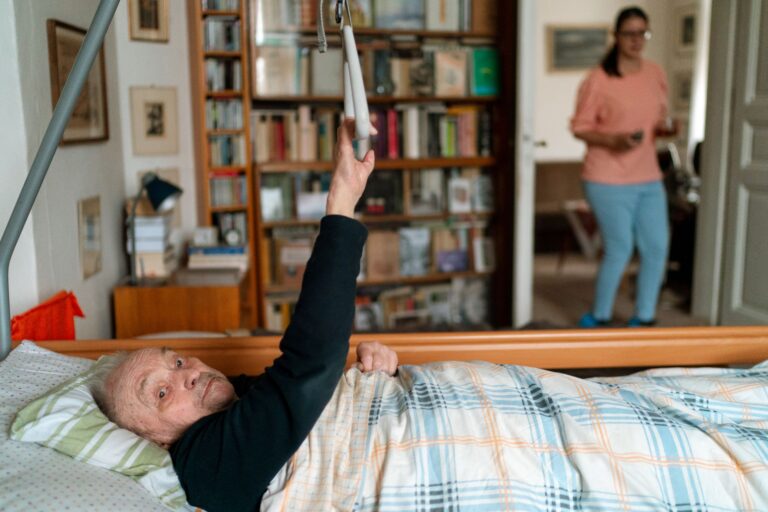
People in this stage may forget conversations within minutes, struggle to recognize familiar people or places, experience confusion about time and date, and show behavioral changes like agitation, repetition, or wandering. They typically require supervision for medications, help with bathing and dressing, and guidance with meals. A 65-year-old with vascular dementia, for instance, might need her daughter to manage all finances by year three, help her bathe and dress by year five, and require constant supervision to prevent wandering by year six. Late-stage or severe dementia represents the final phase when almost all care becomes hands-on. People lose the ability to communicate clearly, become incontinent, may struggle to swallow, and require total assistance with all personal care activities. This stage typically lasts 1-3 years, though some individuals stabilize and remain in this state for longer. At this point, most families consider residential care facilities or intensive in-home care services because the physical and emotional demands exceed what untrained family members can safely manage.

Understanding the Specific Care Needs at Each Progression Stage
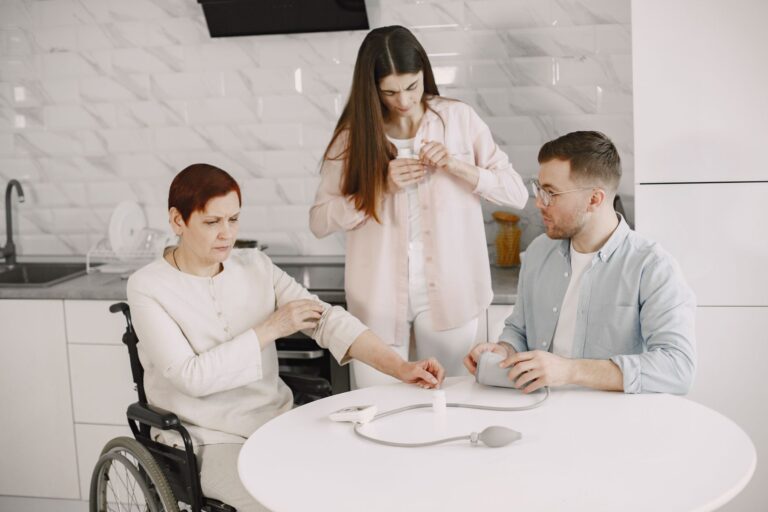
Early-stage care needs center on safety, organization, and emotional support rather than physical assistance. The primary concern is preventing dangerous decisions—like leaving the stove on, forgetting medications, or getting lost while driving. Typical interventions include medication reminder systems, written schedules, simplified financial arrangements like automatic bill pay, and regular check-ins. However, many families underestimate how emotionally draining this stage is for the affected person. Depression and anxiety are common, yet often overlooked because the individual hasn’t yet reached the point of obvious confusion. The limitation of this stage is that people often resist help, insisting they’re fine and don’t need support, which can delay necessary planning. One woman in early-stage Alzheimer’s refused to let her daughter help with finances despite clear evidence she was making mistakes, resulting in late bill payments and confusion about account balances—a situation that could have triggered a financial crisis if not discovered in time. Middle-stage care needs expand dramatically to include physical assistance with activities of daily living: bathing, dressing, toileting, grooming, and eating. Behavioral issues also emerge requiring different approaches—someone who never wandered may suddenly leave home and become lost; someone previously easy-going might become argumentative or aggressive.
Incontinence often develops, requiring dignity-preserving management and potentially causing emotional distress for both caregiver and care recipient. The limitation here is that middle-stage dementia is the longest phase, sometimes lasting a decade, creating severe caregiver burden and burnout. Many family caregivers experience depression, health problems, and financial strain during this extended period. Additionally, behavioral changes can be unpredictable and dangerous—a person might wander into traffic, become combative during hygiene care, or suffer fall injuries from confusion and unsteady gait. Late-stage dementia involves almost exclusively hands-on physical care and comfort measures. Tasks include assistance with toileting, feeding, turning to prevent bedsores, skin care, medication administration, and pain management. Communication becomes minimal or non-verbal, making it difficult to identify pain, discomfort, or needs. This stage requires either 24/7 professional care staff or extensive family involvement with nursing support. The warning here is critical: attempting to provide this level of care without proper training and support puts both caregiver and patient at serious risk for injury, infection, and medical emergencies that require immediate hospitalization.
How Long Does Each Stage Typically Last?
The duration of dementia stages varies dramatically based on the type of dementia, the person’s age, overall health, and other medical conditions. Alzheimer’s disease, the most common type, typically progresses over 8-10 years from diagnosis to death, though some people decline more rapidly in 3-5 years while others remain stable in middle stages for 15+ years. Vascular dementia often progresses faster and more unpredictably, sometimes with sudden drops in function. Lewy body dementia can mimic Parkinson’s disease and creates distinct caregiving challenges related to movement and hallucinations. Frontotemporal dementia, which often strikes younger people, frequently progresses more rapidly. A specific example illustrates this variation: Two people both diagnosed with Alzheimer’s at age 75.
One woman remained in early stage for six years—still living independently, still managing her garden—before progressing through a four-year middle stage and a two-year final stage. Her neighbor, also diagnosed at 75, declined rapidly, moving through early stage in one year, middle stage in three years, and entering late-stage care by year five. Both lived to approximately age 85, but their care timelines looked entirely different. The practical implication is that while the three-stage model provides a framework, families should avoid assuming their relative’s timeline. What matters more is monitoring functional decline, recognizing when the current care arrangement is no longer working, and preparing the next transition proactively rather than reactively. Some families wait until a crisis occurs—a fall, a fire hazard, a behavioral emergency—before arranging additional care, which creates dangerous, chaotic transitions.

Recognizing When to Transition Care Settings
Families often struggle with the decision of when to move a loved one to assisted living, memory care, or skilled nursing facilities. The transition typically happens when home care, even with multiple helpers, becomes unsafe or unsustainable. Warning signs include: a caregiver expressing they can no longer manage the physical demands, repeated incidents of the person becoming lost or injured at home despite safety modifications, inability to afford needed professional care, the person becoming aggressive or combative with family caregivers, serious health complications requiring medical monitoring, or a primary caregiver developing health problems from stress and exhaustion. The comparison between in-home care and residential facilities reveals important tradeoffs. In-home care allows the person to remain in familiar surroundings, often preserving dignity and reducing behavioral issues. However, it requires constant availability, creates isolation for the caregiver, and may not provide adequate supervision during sleep hours or medical emergencies.
A residential facility provides 24/7 professional care, socialization with others, structured activities, and trained staff who can manage behavioral issues and medical complications. However, placement often triggers a psychological decline—some people become more confused or depressed when moved—and quality varies dramatically between facilities. Additionally, care facilities cost $4,000-$8,000+ monthly, placing them beyond reach for many families. The reality is that many families manage middle-stage dementia at home as long as possible, sometimes hiring live-in caregivers or coordinating multiple part-time helpers, before considering facility placement. This approach preserves control and maintains the person’s home environment, but demands enormous sacrifice from family members. Healthcare systems don’t support this well—there’s minimal counseling about these transitions, insurance doesn’t cover in-home care generously, and social workers are typically unavailable until crisis points.
Common Complications That Accelerate Care Needs
Several complications can accelerate the progression or care requirements beyond what standard dementia staging predicts. Infections—particularly urinary tract infections—cause acute confusion and delirium in dementia patients and are alarmingly common in older adults. Someone stable in early-stage dementia might require hospitalization during a UTI infection episode, only to have their condition seem worse afterward. Delirium from infections, medications, or hospital stays can create lasting cognitive decline beyond what the underlying dementia alone would cause. Behavioral and psychological symptoms of dementia (BPSD) create care demands beyond physical assistance. These include aggression, wandering, hallucinations, sleep disturbances, and resistance to care.
Someone in middle-stage dementia might physically resist bathing, toileting, or dressing, requiring two caregivers instead of one and potentially causing injury to themselves or caregivers. Medication can help with some behavioral symptoms, but many anti-psychotic medications carry risks in older adults and don’t work reliably. The limitation is that families often feel helpless managing behaviors, lacking training in de-escalation techniques and environmental modifications that might reduce these incidents. Medical conditions comorbid with dementia—heart disease, diabetes, stroke, Parkinson’s disease—complicate care significantly. Someone with dementia and advanced heart failure requires medication management, dietary restrictions, and monitoring for symptoms that the person cannot articulate. Someone with dementia and Parkinson’s disease has movement difficulties on top of cognitive decline, requiring specialized equipment and care approaches. These combinations frequently push families toward professional care sooner than dementia alone would necessitate.

Planning and Preparing for Progression
Effective planning begins in early-stage dementia when the person can still participate in decisions about their future care preferences. This includes advance directive conversations, designating a power of attorney for healthcare and finances, discussing preferred living arrangements if dementia advances, and honestly addressing the possibility of residential care. Many families delay these conversations, hoping progression won’t occur or avoiding difficult emotions, then face crises without guidance about what the affected person would have wanted. Financial planning is equally critical.
Long-term care costs quickly deplete savings—a year of assisted living might cost $45,000-$75,000, and skilled nursing care can exceed $100,000 annually depending on location and care intensity. Medicaid can help pay for care once assets are sufficiently depleted, but requires understanding complicated eligibility rules and planning. Many families discover too late that they should have structured finances differently to preserve assets while qualifying for assistance. Consulting with an elder law attorney is valuable but adds cost upfront, saving money and heartache later by clarifying options and protecting family resources.
The Dementia Care Continuum and Future Considerations
Dementia care increasingly emphasizes person-centered approaches—recognizing the individual behind the diagnosis, maintaining dignity, and adjusting environments and approaches to what works for that specific person rather than applying one-size-fits-all protocols. This shift recognizes that standardized care timelines and interventions don’t account for individual personality, preferences, and needs. Someone who lived independently and valued autonomy may struggle more psychologically with loss of control than someone who always preferred to be cared for.
Someone with strong family connections may remain more engaged cognitively than someone socially isolated. Technology is gradually expanding care options: medication reminder systems, fall detection watches, door sensors preventing wandering, and video monitoring allowing family members to check in remotely. Telemedicine and remote monitoring services allow people to remain in home environments longer with less in-person care support. However, access to these technologies remains inconsistent, with cost and digital literacy creating barriers for many families.
Conclusion
Dementia’s progression through mild, moderate, and severe stages creates a predictable arc of escalating care needs, though individual timelines vary significantly. Families thrive when they recognize this progression, plan ahead during early stages, and adjust care arrangements proactively as cognitive and functional decline accelerates.
Understanding how care needs shift allows for realistic financial planning, emotional preparation, and safer transitions between care settings. The most important takeaway is that dementia care is not a crisis to be managed but a long-term process requiring coordination, resources, and compassion for both the affected person and their caregivers. Starting these conversations early, consulting appropriate professionals, and connecting with support resources provides the foundation for navigating what will likely be one of the most demanding periods in a family’s life.
Frequently Asked Questions
How can I tell if someone is in early-stage versus middle-stage dementia?
Early-stage dementia involves occasional forgetfulness and difficulty with complex tasks, but the person remains independent with personal care, self-medication, and most daily activities. Middle-stage begins when the person requires reminders or supervision for medications, help with personal hygiene, and shows obvious confusion about time, place, or familiar people.
What’s the difference between “normal aging” memory loss and dementia?
Normal aging involves occasionally forgetting where you put your keys or someone’s name—but you remember later. Dementia involves not remembering the conversation happened at all, forgetting significant parts of a person’s life, and progressive worsening over months and years. If you forget what you read in an article but remember later, that’s normal aging. If you read the same article weekly and don’t recognize it as familiar, that suggests dementia.
Can dementia progression be slowed or stopped?
Current medications (cholinesterase inhibitors and memantine) may slow cognitive decline temporarily in some people with Alzheimer’s disease, but none stops or reverses the disease. Newer medications show modest benefits for early-stage Alzheimer’s. Maintaining physical activity, cognitive engagement, social connection, heart-healthy diet, and managing other medical conditions may slow decline, but individual responses vary. Prevention focuses on addressing modifiable risk factors (exercise, cognitive activity, heart health, hearing correction) in people without dementia.
Should we move our parent to a care facility or keep them at home?
This decision depends on many factors: current stage of dementia, specific care needs, family availability and capacity, safety concerns at home, the person’s preferences, and financial resources. Neither choice is universally correct. Home care preserves familiarity but demands enormous caregiver sacrifice. Facilities provide professional care but may trigger behavioral decline. Discuss this with the person while they can participate, consult with their healthcare providers about safety, and honestly assess what your family can sustain without becoming overwhelmed.
How do we prevent someone with dementia from wandering?
Environmental modifications (locks, alarm systems, fencing) provide primary prevention. Identification systems (GPS watches, ID bracelets) allow location if wandering occurs. Addressing underlying causes (pain, boredom, anxiety, medication side effects) reduces wandering behavior. Professional dementia care training teaches caregivers how to safely redirect and engage someone before they attempt to leave. Medication for agitation or anxiety may help in some cases. Local police departments in many areas offer the “Silver Alert” system for missing seniors with dementia.