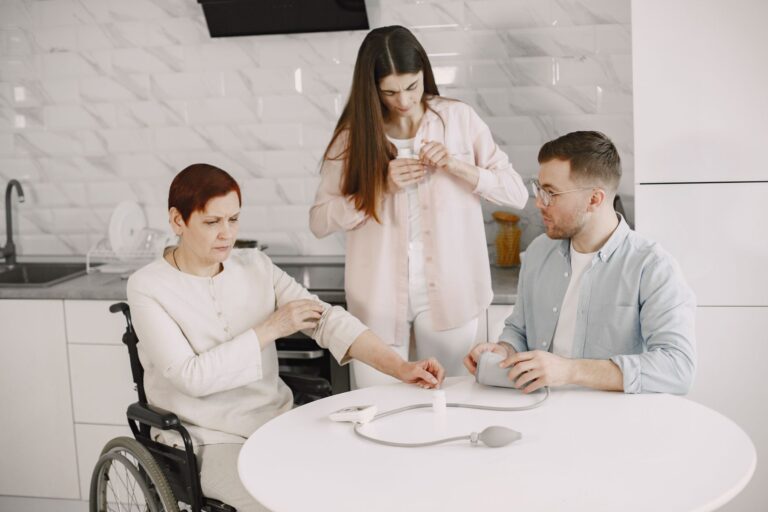
Guilt after a pleasant day away is normal for dementia caregivers, not proof you did something wrong. Respite, meaning short-term relief while someone else provides care, protects both you and the person with dementia. Many caregivers believe they should handle everything alone. The Alzheimer's Association says seeking help is not failure, and breaks benefit both caregiver and person with dementia (respite care guidance from the Alzheimer's Association).
Medical information disclaimer: This article is for general educational purposes only and does not provide medical advice, diagnosis, or treatment. Always consult a physician or other qualified health professional about symptoms, medications, tests, or treatment decisions.
Table of Contents
- Why a good day away can sting
- When guilt points to overload
- What respite care actually covers
- How to make time off restore you
Why a good day away can sting
Enjoyment can clash with loyalty. Spouses often report less pleasure in life after long stress, fatigue, and loss, including guilt about social activities a partner can no longer join. Beliefs about duty add pressure.
Families may feel they should do it all, so laughter, rest, or freedom feels disloyal. Guilt can also grow from low trust in outside care. Worry about quality makes relief feel risky instead of renewing.
When guilt points to overload
Strong guilt rarely travels alone. It often appears with low mood, worry, burden, and less leisure time. Treat guilt as information, not verdict.
Ask what felt hardest: leaving, enjoying yourself, returning to new problems, or facing criticism from family. Watch for a shrinking life. Skipping friends, hobbies, sleep, or medical visits means support is overdue, not optional.
What respite care actually covers
The National Institute on Aging defines respite care as short-term relief that lets a primary caregiver rest, travel, or spend time with family and friends while the person with dementia stays cared for (what respite care means from the National Institute on Aging). Forms include in-home help, adult day programs, and short residential stays.
Use early help to learn what fits before a crisis forces a rushed choice. Dementia-care guidance reviewed by the HealthWell Foundation advises starting respite early and using it regularly to reduce guilt, exhaustion, isolation, and burnout (nine steps to respite care from the HealthWell Foundation).
How to make time off restore you
Attitude alone cannot fix access. A Colorado task force reported that respite is in short supply, inaccessible, or unaffordable for most caregivers, so trusted options and cost shape relief (Colorado Respite Care Task Force final report).
- Plan breaks on a schedule, not only after collapse
- Choose one trusted provider and start with a short visit
- Leave clear care notes, medications, routines, and contacts
- Spend much of the time resting, sleeping, walking, or seeing friends
- Talk through guilt in counseling or a caregiver support group