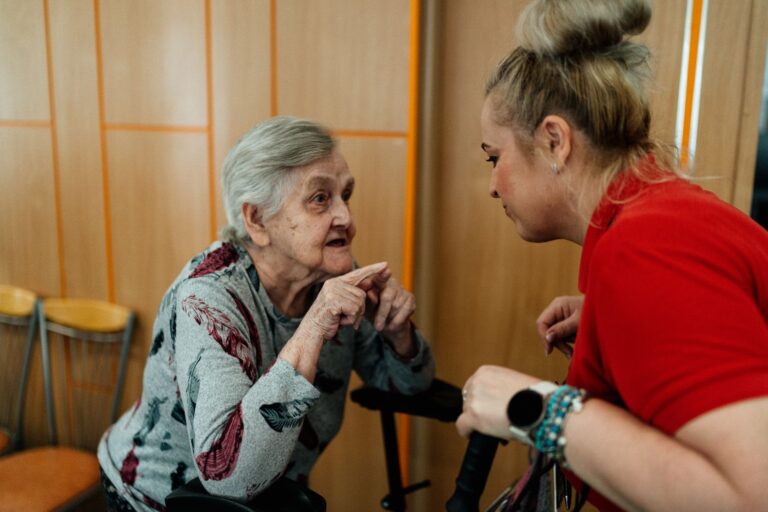
When a parent with dementia stops answering calls, treat it as a safety signal and a loss of phone ability. Ask a nearby person to check in person, then build a backup plan for contact, care, and emergencies. The National Institute on Aging defines long-distance caregivers as people living an hour or more away. The agency says they coordinate care by arranging services, managing money, and sharing information, as explained in its long-distance caregiving guide.
Medical information disclaimer: This article is for general educational purposes only and does not provide medical advice, diagnosis, or treatment. Always consult a physician or other qualified health professional about symptoms, medications, tests, or treatment decisions.
Table of Contents
- Why answering gets harder
- What to do when silence lasts
- How to help from far away
- How to find local eyes and ears
- Set money and decision papers early
Why answering gets harder
Phone calls demand memory, attention, and quick response. Griffith University researchers link missed calls to cognitive impairment, memory loss, and loss of visual cues. Without facial expression, it is harder to recognize a caller and sustain a telephone conversation. A 2014 usability study found participants had difficulty understanding how to answer and end calls even on a simplified videophone.
The BMC study, available through PubMed Central, suggests the problem is the task itself, not effort or willingness, as reported in the study summary. Your parent may let the phone ring, pick up without speaking, or hang up mid-call. They may also call back many times without remembering the first call. These patterns point to ability, not attitude.
What to do when silence lasts
Do not keep redialing for hours. Decide in advance what one missed day means.
For repeated silence, families can request a welfare check through the loved one's local police non-emergency line. The Maryland Department of Aging formalizes this idea in its Senior Call Check program. It calls daily, then an alternate contact, then non-emergency responders, as described in the program description.
- Call at a different time of day, then try a neighbor, friend, or building manager.
- Ask that person for a brief in-person check and a call back to you.
- If no local contact responds, request a welfare check through the local police non-emergency line.
How to help from far away
The Alzheimer's Association says long-distance caregivers can help through emotional support, scheduling medical appointments, and researching local services. It also lists providing respite during visits and managing finances, detailed in its long-distance caregiving guidance. The National Alliance for Caregiving and Alzheimer's Association reported about 12% of dementia caregivers live over an hour away.
It found long-distance dementia caregivers average 17.7 hours of care weekly while 64% remain employed. Keep one shared care notebook with contacts, medicines, appointments, and bills. Update it after each visit or call with a nurse. A short written record prevents repeat questions and missed tasks.
How to find local eyes and ears
The Eldercare Locator, a public service of the U.S. Administration for Community Living at 800-677-1116, connects distant families to local Area Agencies on Aging. Those agencies can arrange meals, transportation, home care, and caregiver support, according to the Administration for Community Living brochure.
Ask for a regular in-person visit, not only a phone chain. A neighbor, faith volunteer, or home-care aide can confirm meals, mail pileup, and safety. Give that person your backup number and the doctor's office number.
Set money and decision papers early
A durable financial power of attorney remains effective after incapacity and is a key dementia-planning tool. The Consumer Financial Protection Bureau says it must be signed while the person still has legal capacity.
Waiting until communication fails can foreclose options. Put the signed form where your backup helper can find it. Tell the bank and other contacts who holds the authority.